Mount Ruiz
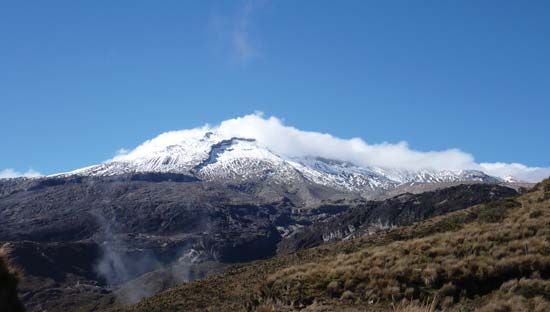
The most significant eruption of Mount Ruiz (also known as Nevado del Ruiz) in recent history occurred on November 13, 1985.
What was the most significant eruption of Mount Ruiz in recent history?
The most significant eruption of Mount Ruiz (also known as Nevado del Ruiz) in recent history occurred on November 13, 1985.12
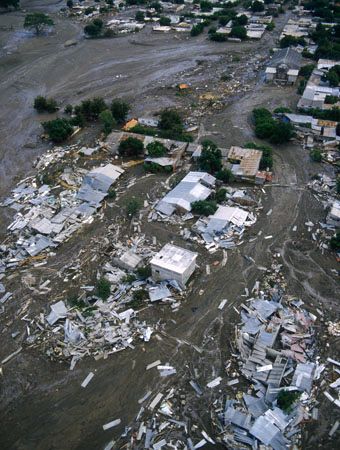
While the eruption itself was relatively small in terms of volume, it triggered a catastrophic natural disaster. The explosion blasted magma onto the mountain’s glacial ice cap, causing a massive, rapid melt. This created torrents of mud, ash, and water that surged down the volcano’s slopes through river channels.13
These mudflows buried the town of Armero, resulting in the deaths of approximately 25,000 people. This event stands as the second-worst volcanic disaster of the 20th century. Although the volcano had experienced earlier eruptions—notably in 1595 and 1845—the 1985 tragedy remains the most devastating in its recorded history due to the immense loss of life.13
Where is Mount Ruiz located in Colombia, and what type of volcano is it?
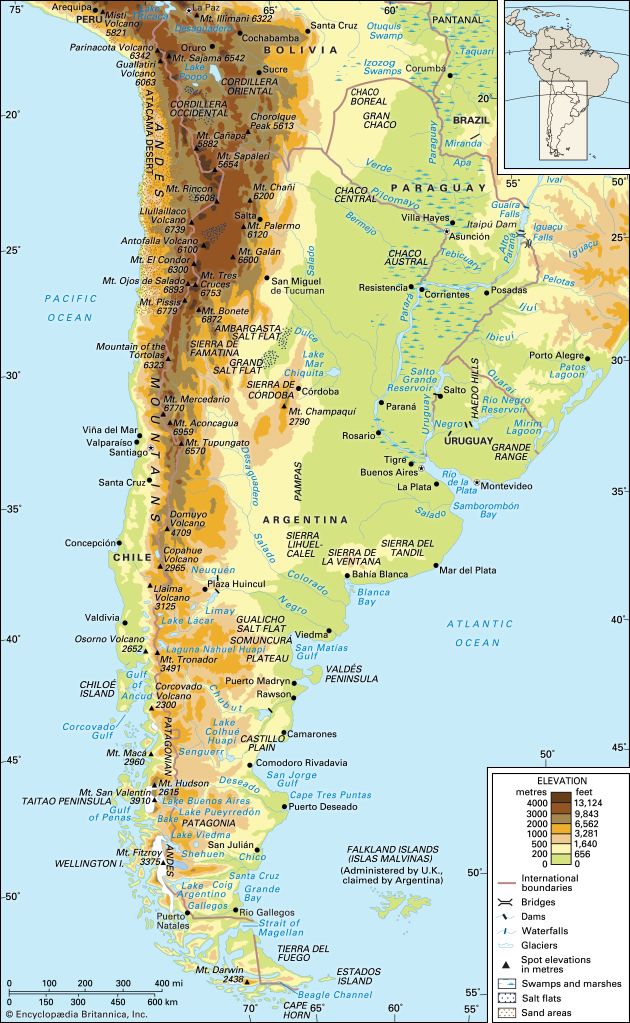
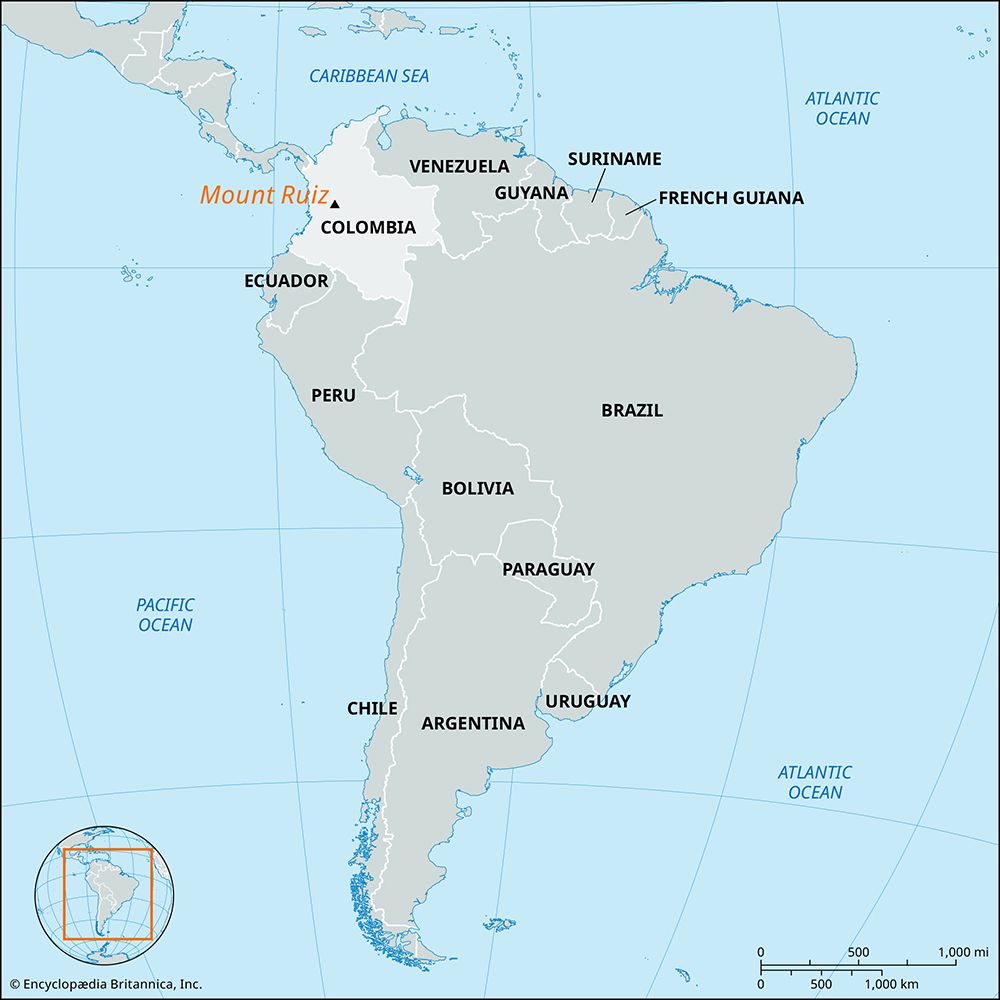
Mount Ruiz, also known as Nevado del Ruiz, is located in the Cordillera Central of the Andes in west-central Colombia, approximately 80 miles (130 km) west of Bogotá.12
Geologically, it is classified as a stratovolcano. This type of volcano is characterized by a conical shape built from successive layers of volcanic material, including ash, mud, and solidified lava flows. Stratovolcanoes are often complex structures that rise to tall peaks and are frequently associated with subduction zones. Their steep slopes and composite structure make them particularly prone to lahars—destructive mudflows of volcanic debris—which occurred during the tragic 1985 eruption when the mountain’s ice cap was melted by volcanic activity.4
What is the geological history of Mount Ruiz?
The geological history of Mount Ruiz (Nevado del Ruiz) is characterized by infrequent but highly destructive eruptive events. As the northernmost of approximately two dozen active volcanoes in the Andes Cordillera Central, it reaches an elevation of 17,717 feet (5,400 meters).1
Historical records and geological evidence highlight three major eruptive periods:
- 1595: A major eruption occurred that caused significant damage across a vast region, extending from central Colombia northward to the border of Panama.1
- 1845: An eruption triggered severe mudslides and flooding, resulting in the deaths of approximately 1,000 people.1
- 1985: Preceded by a buildup of highly viscous magma in the volcano’s neck, two explosions on the northeastern side melted the mountain’s ice and snow cap. This generated massive torrents of mud and ash that buried the town of Armero, killing roughly 25,000 people, while a separate mudslide killed another 1,000 in Chinchiná.1
We could dive deeper into the specific volcanic processes that lead to the formation of such dangerous lahars during eruptions.
How has Mount Ruiz affected the surrounding communities and environment?
Mount Ruiz has profoundly impacted surrounding communities through catastrophic volcanic events, most notably the 1985 disaster. During this event, explosions melted the mountain’s ice and snow cap, triggering massive torrents of mud, ash, and water that raced down river channels. These flows buried the town of Armero, resulting in approximately 25,000 deaths, while a separate mudslide killed about 1,000 people in the town of Chinchiná. Historical records also indicate that a major eruption in 1595 caused widespread damage across central Colombia and into Panama, and an 1845 eruption caused mudslides and flooding that claimed 1,000 lives.1
While volcanic activity is often associated with such destruction, it also plays a significant role in shaping the environment over geologic time. Volcanic ash eventually weathers to form rich, loamy soils that can support dense populations and agriculture. Additionally, large-scale explosive eruptions can inject sulfate aerosols into the stratosphere, which may temporarily influence global climate patterns by reflecting solar radiation and causing surface cooling.56
Sources
- Mount Ruiz — Encyclopædia Britannica
- Ruiz, Nevado del — Merriam-Webster
- volcano - Four of the worst eruptions in history — Encyclopædia Britannica
- stratovolcano — Encyclopædia Britannica
- volcano - Long-term environmental effects — Encyclopædia Britannica
- Global warming - Volcanic aerosols — Encyclopædia Britannica
Published on · 3 min read