Mount Tambora
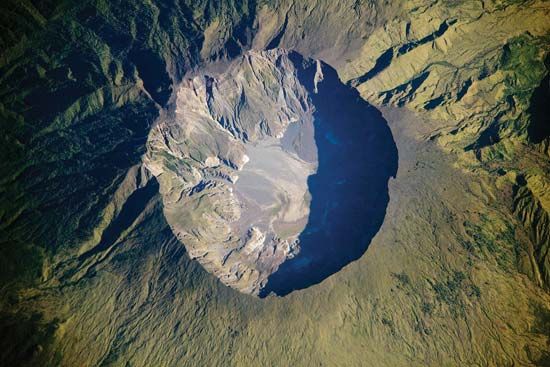
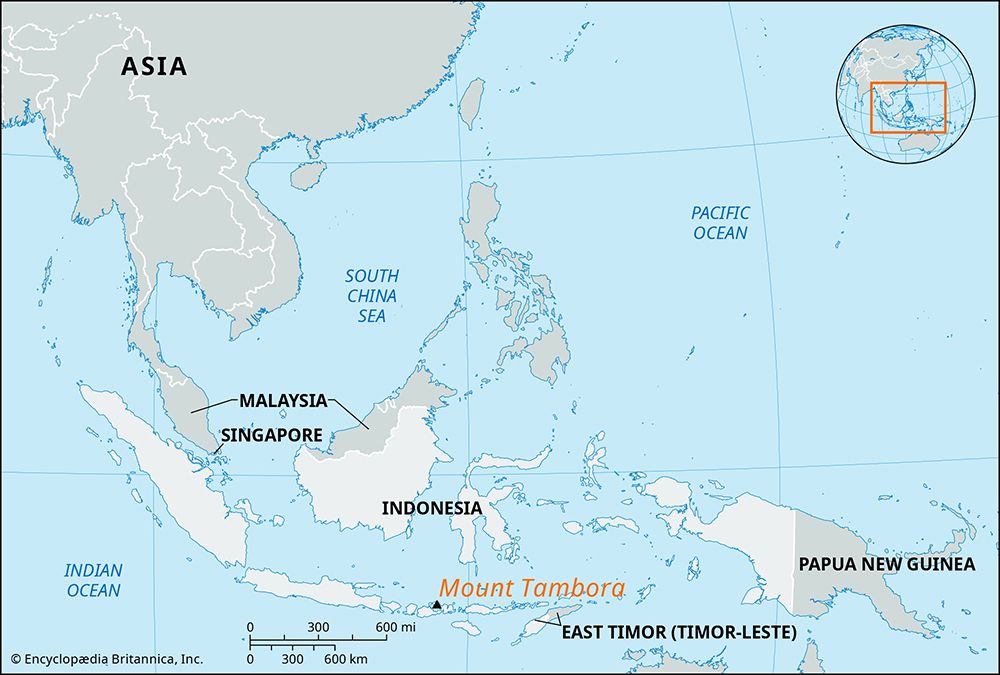
The 1815 eruption of Mount Tambora in Indonesia stands as the most powerful volcanic event in recorded history. Its impacts were both immediate and globally…
What were the social and economic impacts of the Mount Tambora eruption on Indonesia and the world?
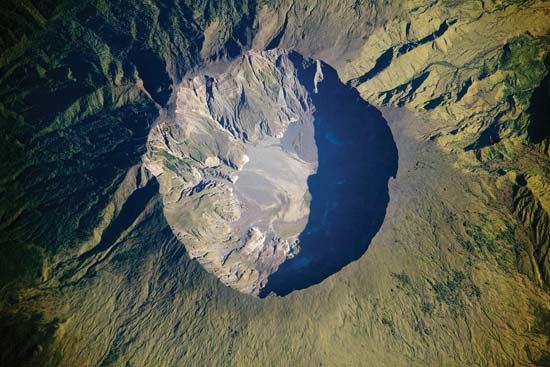
The 1815 eruption of Mount Tambora in Indonesia stands as the most powerful volcanic event in recorded history. Its impacts were both immediate and globally devastating.
Local Impacts in Indonesia
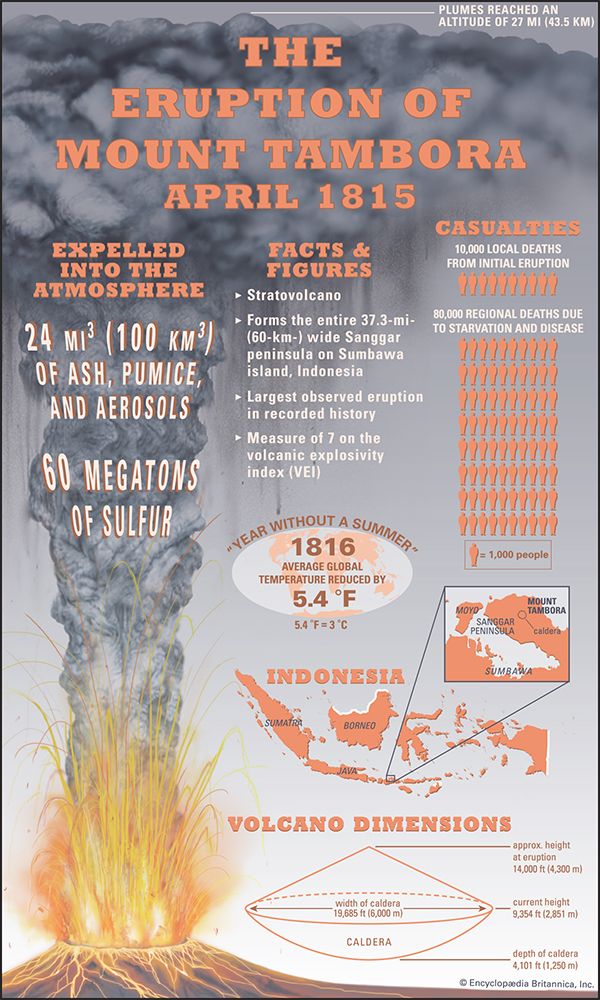
The eruption caused catastrophic destruction on the island of Sumbawa and surrounding regions. The initial blast, pyroclastic flows, and tsunamis killed at least 10,000 people and destroyed the homes of 35,000 others. In the aftermath, approximately 80,000 people perished due to widespread famine and disease, as the massive ashfall rendered the land incapable of supporting crops.12
Global Economic and Social Consequences
By injecting 60 megatons of sulfur and vast amounts of ash into the atmosphere, the eruption significantly reduced incoming sunlight, lowering global temperatures by up to 3 °C (5.4 °F). This triggered a volcanic winter, leading to the “year without a summer” in 1816. Across North America and Europe, the resulting killing frosts and heavy snow during summer months caused widespread crop failures and starvation.123
How does Mount Tambora compare to other major volcanic eruptions in history?
The 1815 eruption of Mount Tambora is widely recognized as the most powerful volcanic event in recorded history, measuring a 7 on the Volcanic Explosivity Index (VEI).3
Comparison to Other Major Eruptions
While other volcanoes have caused significant loss of life, Tambora’s scale and climatic impact remain unique:
- Scale and Ejecta: Tambora expelled approximately 50 cubic kilometers (12 cubic miles) of magma, creating a massive caldera and injecting 60 megatons of sulfur into the atmosphere. In contrast, the 1883 eruption of Krakatoa was similar in nature but smaller, involving about 18 cubic kilometers of magma.35
- Climatic Impact: Tambora’s sulfur-rich plumes reduced global temperatures by 3 °C (5.4 °F), leading to the “year without a summer” in 1816. While other eruptions like Krakatoa, Mount Agung, and Mount Pinatubo also caused cooling, their effects were generally limited to a reduction of about 0.5 °C (0.9 °F) over one to three years.36
- Human Toll: Approximately 92,000 people died due to Tambora’s immediate effects and subsequent famine. Other disasters, such as the 1902 eruption of Mount Pelée and the 1985 eruption of Mount Ruiz, resulted in high localized casualties but lacked the global environmental reach of Tambora.35
How did the eruption of Mount Tambora affect global climate and weather patterns?
The 1815 eruption of Mount Tambora in Indonesia is the most powerful volcanic event in recorded history, and it had a profound impact on global climate and weather patterns.24
Atmospheric and Climatic Effects
The eruption injected massive quantities of ash, pumice, and aerosols into the atmosphere, including an estimated 60 megatons of sulfur. These materials mixed with atmospheric gases to form sulfur aerosols in the stratosphere, which effectively blocked a significant portion of incoming sunlight from reaching Earth’s surface. This reduction in solar radiation caused the average global temperature to fall by as much as 3 °C (5.4 °F).2461
The “Year Without a Summer”
The resulting volcanic winter led to the infamous “year without a summer” in 1816. In regions as far away as western Europe and eastern North America, the climate shift caused:64
- Sporadic periods of heavy snow and killing frosts during the summer months of June, July, and August.24
- Widespread crop failures and subsequent [famine].24
- Severe weather, including violent storms and flooding in areas like Switzerland.7
What was the significance of Mount Tambora’s 1815 eruption?
The 1815 eruption of Mount Tambora on the island of Sumbawa, Indonesia, is recognized as the largest and most destructive volcanic eruption in recorded history.21
Significance and Impact
- Scale of Eruption: Measuring a 7 on the Volcanic Explosivity Index, the event expelled approximately 100 cubic kilometers of ash, pumice, and rock, alongside 60 megatons of sulfur into the atmosphere1.1
- Global Climate: The injected aerosols blocked significant sunlight, causing average global temperatures to drop by as much as 3 °C (5.4 °F). This led to the “year without a summer” in 1816, characterized by killing frosts and heavy snow in North America and Europe during summer months.421
- Human Toll: The eruption caused immediate devastation, killing at least 10,000 people through pyroclastic flows and tsunamis. Subsequent famine and disease resulting from widespread crop failures claimed approximately 80,000 additional lives.21
Sources
- Mount Tambora — Encyclopædia Britannica
- Mount Tambora: Top Questions — Encyclopædia Britannica
- How the 1815 Eruption of Mount Tambora Produced the “Year Without a Summer” — Encyclopædia Britannica
- volcanic winter — Encyclopædia Britannica
- volcano - Four of the worst eruptions in history — Encyclopædia Britannica
- volcano - Long-term environmental effects — Encyclopædia Britannica
- Haunted Summer of 1816 — Encyclopædia Britannica
Published on · 4 min read