Natural Disaster
Scientists predict and monitor natural disasters using a combination of advanced sensor networks, satellite technology, and computer modeling to track…
How do scientists predict and monitor natural disasters?
Scientists predict and monitor natural disasters using a combination of advanced sensor networks, satellite technology, and computer modeling to track physical forces before they cause damage.1
Monitoring and Prediction Methods
- Weather and Storms: National weather bureaus utilize networks of local offices and satellites to gauge conditions, allowing them to model and predict the path and intensity of storms days in advance. For tropical cyclones, forecasters use observational data and computer models to issue “best-track” and strike probability forecasts.12
- Geological Hazards: To monitor volcanoes, researchers use seismographs to detect earthquake tremors caused by moving magma, as well as tiltmeters, gas detectors, and laser beams to measure ground deformation. While earthquake prediction remains challenging, scientists use GPS sensors to measure strain accumulation along active faults.34
- Satellite Observation: Missions like NISAR use dual-frequency radar to map surface changes with centimeter-level precision, providing critical data on earthquakes, landslides, and volcanic hazards.5
- Flooding: Hydrologists use magnitude-frequency analysis of past records to estimate future flood risks, while real-time monitoring of river discharge and stage helps manage floodplain safety.67
What are the primary causes of natural disasters?
Natural disasters are primarily driven by two categories of forces: weather-related phenomena and geological processes.
Weather and Climate-Driven Disasters
These events are often linked to atmospheric conditions and shifts in precipitation patterns. They include:
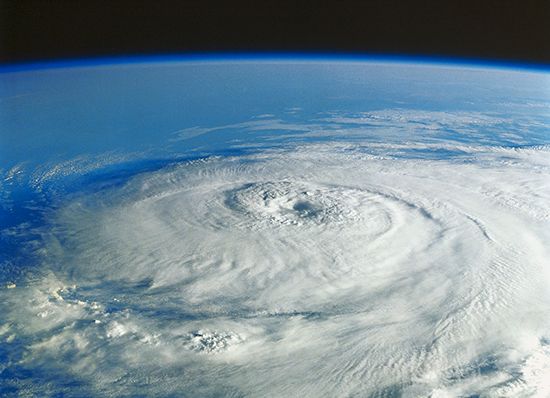
- Storms and Wind: Tropical cyclones, tornadoes, and blizzards cause widespread devastation through high winds and heavy precipitation.8
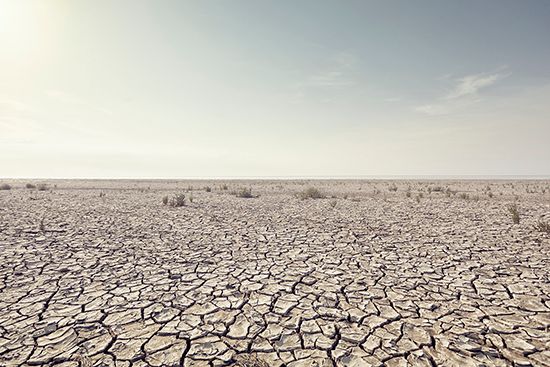
- Hydrological Events: Flooding is frequently caused by intense rainfall, while droughts and wildfires are exacerbated by heat waves.8
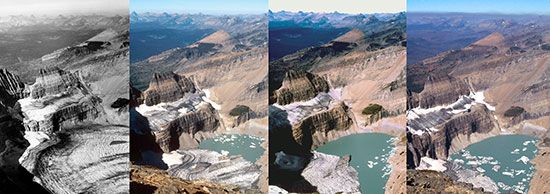
- Human Influence: Global warming, driven by the emission of greenhouse gases, is increasing the frequency and intensity of these climate-related disasters.9
Earth-Driven Disasters
These events originate from the physical forces within the Earth:
- Earthquakes: Primarily caused by the release of elastic strain within the Earth’s crust, often occurring near tectonic plate boundaries.810
- Volcanic Eruptions: These produce lava, ash, and toxic gases.8
- Tsunamis: These are triggered by submarine earthquakes, volcanic eruptions, or underwater landslides.8
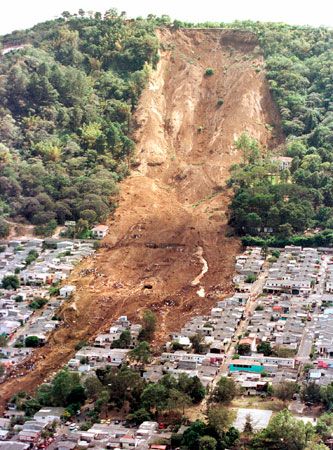
Some disasters, such as landslides or avalanches, result from a combination of these forces, such as heavy rain saturating unstable slopes or seismic activity triggering movement.8
How do natural disasters impact mental health and long-term psychological well-being of affected populations?
Natural disasters significantly impact the mental health of affected populations, carrying both short-term and long-term psychological consequences. Research in disaster epidemiology indicates that major disasters frequently lead to higher frequencies of depression and post-traumatic stress disorder (PTSD) among survivors.12
Psychological Consequences
PTSD is a common reaction to traumatic events involving actual or threatened death or serious injury, characterized by intense feelings of fear, helplessness, or horror. Symptoms include:13
- Reexperiencing the trauma: Through upsetting thoughts, memories, or flashbacks.13
- Avoidance: Steering clear of reminders, thoughts, or feelings related to the event.13
- Emotional distress: Including general numbness, increased anxiety, vigilance, and, in some cases, drug abuse. in some cases, drug abuse.14
The risk of developing these conditions is highest among those with the greatest exposure to the trauma, those who lack social support, and those who struggle to process their emotional experiences. While it is normal to experience some of these reactions following a disaster, they are only classified as PTSD if they persist for at least one month.13
What are some of the most devastating natural disasters in recorded history?
Throughout history, several natural disasters have caused catastrophic loss of life and widespread destruction. While the impact of such events is often influenced by population density, infrastructure, and economic resources, the following are among the most devastating on record:
- Shaanxi Province Earthquake (1556): Occurring in China, this remains one of the deadliest earthquakes in history, with an estimated death toll exceeding 800,000 people.16
- Yangtze River Floods (1931): Sustained heavy rains in China led to massive flooding that covered over 30,000 square miles. This event resulted in an estimated 3.7 million deaths and left 40 million people homeless.17
- Tangshan Earthquake (1976): This earthquake in China resulted in more than 242,000 deaths.16
- Indian Ocean Tsunami (2004): Triggered by a 9.1-magnitude earthquake off the coast of Sumatra, this tsunami devastated coastal areas across 15 countries. It claimed at least 225,000 lives, with Indonesia, Sri Lanka, India, and Thailand suffering the most significant damage.181920
- Haiti Earthquake (2010): This catastrophic event caused immense destruction, with some estimates suggesting a death toll of at least 300,000 people.16
These events highlight the profound vulnerability of human populations to geological and hydrological forces, particularly in regions where infrastructure may be less resilient to extreme hazards.1621
Sources
- natural disaster - Disaster warning systems — Encyclopædia Britannica
- tropical cyclone - Landfall forecasts — Encyclopædia Britannica
- geology - Volcanology — Encyclopædia Britannica
- earthquake - Observation and interpretation of precursory phenomena — Encyclopædia Britannica
- NISAR — Encyclopædia Britannica
- river - Peak discharge and flooding — Encyclopædia Britannica
- flood — Encyclopædia Britannica
- natural disaster - Types — Encyclopædia Britannica
- natural disaster - Frequency and disaster patterns — Encyclopædia Britannica
- plate tectonics - Seafloor spreading — Encyclopædia Britannica
- earthquake - Natural forces — Encyclopædia Britannica
- disaster epidemiology — Encyclopædia Britannica
- post-traumatic stress disorder — Merriam-Webster
- post-traumatic stress disorder — Encyclopædia Britannica
- collective behavior - Impact and stocktaking period — Encyclopædia Britannica
- 12 of the World’s Deadliest Natural Disasters - Indian Ocean tsunami of 2004 — Encyclopædia Britannica
- natural disaster - Damage and deaths — Encyclopædia Britannica
- Yangtze River floods — Encyclopædia Britannica
- Deadliest Hurricanes in the U.S. — Encyclopædia Britannica
- tsunami: Top Questions — Encyclopædia Britannica
- tsunami - Notable tsunamis — Encyclopædia Britannica
Published on · 4 min read