Mount Tolima
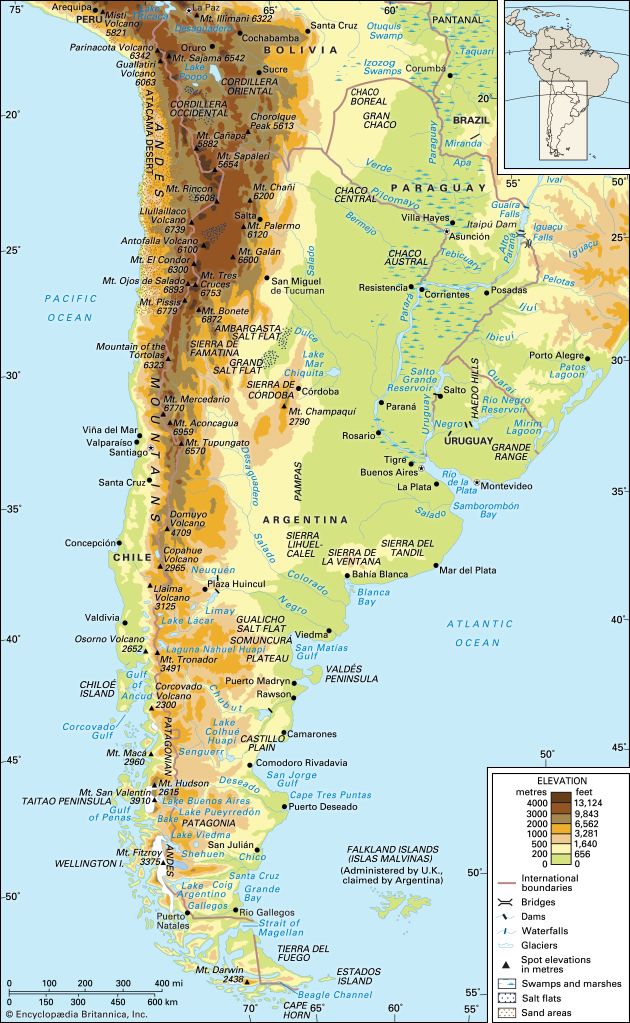
Mount Tolima is a volcano located in the Cordillera Central of the Andes mountain range in west-central Colombia. It reaches an elevation of approximately…
What is Mount Tolima?
Mount Tolima is a volcano located in the Cordillera Central of the Andes mountain range in west-central Colombia. It reaches an elevation of approximately 17,105 to 17,110 feet (5,215 meters).12
What is the Cordillera Central mountain range?
The term Cordillera Central refers to two distinct mountain ranges in the Americas:
In Colombia
The Cordillera Central is the highest and shortest of the three Andean ranges in Colombia, stretching approximately 400 miles (640 km) from the Pasto Massif in the south to its northern spurs near latitude 8° N.34
- Characteristics: It serves as the backbone of the Colombian Andean system, with an average elevation of about 10,000 feet (3,000 meters).34
- Volcanic Activity: It is a continuation of the Ecuadorian volcanic structure and is capped by numerous Quaternary Period volcanoes. Notable peaks include Mount Huila, Mount Ruiz, and Mount Tolima.34
- Economic Significance: The fertile volcanic ash on its slopes supports much of Colombia’s coffee production, while its flanks contain deposits of gold and silver.3
In Puerto Rico
The Cordillera Central is a limestone mountain range that forms the interior of the island of Puerto Rico.5
- Geography: It extends about 50 miles (80 km) across the west-central part of the island and contains the highest peak in Puerto Rico, Cerro de Punta (4,390 feet [1,338 meters]).5
- Utility: The rivers originating in this range are used extensively for hydroelectric power and water supply.5
How do volcanoes form in the Andes?
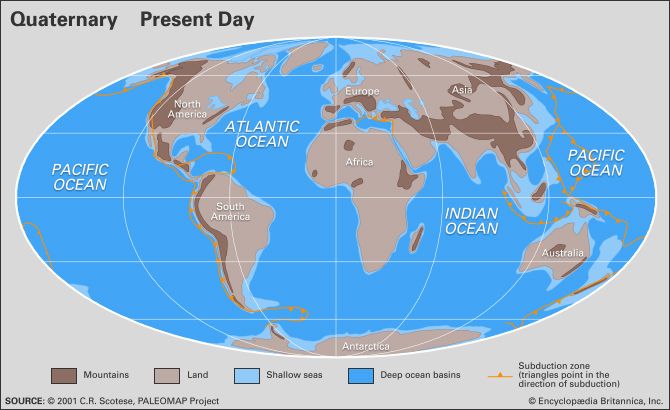
Volcanoes in the Andes are primarily formed through the process of subduction, where the dense oceanic Nazca Plate is forced beneath the lighter continental crust of the South American Plate.91011
This geological interaction creates volcanic activity through several mechanisms:
- Flux Melting: As the oceanic plate descends, it carries seafloor sediments rich in water and carbon dioxide into the mantle. These compounds act as fluxes, reducing the melting temperature of the mantle rocks and generating magma.12
- Buoyancy and Ascent: The resulting magma is buoyant and rises through the overriding continental crust. During this ascent, the magma may undergo fractional crystallization or assimilate surrounding continental rocks, which increases its silica content and contributes to the diverse range of volcanic rock compositions found in the Andes.12
- Explosivity: The high gas content and viscosity of this magma often result in the highly explosive nature characteristic of many subduction-zone volcanoes.12
This ongoing tectonic process has created a nearly continuous chain of volcanoes along the western margin of South America, forming part of the larger Ring of Fire.911
What is the difference between a dormant and an active volcano?
In volcanology, the classification of a volcano as “active” or “dormant” relates to its history of eruptions and current state of unrest, though these terms are often used to describe potential risk rather than rigid scientific categories.
- Active Volcanoes: These are volcanoes that have erupted in recent history and are expected to erupt again. Scientists monitor these sites—such as Kilauea or Mount Etna—using tools like seismographs, tiltmeters, and gas detectors to track magma movement and predict potential outbursts.13
- Dormant Volcanoes: This term is often applied to volcanoes that have not erupted for a significant period but are still considered capable of erupting in the future. For example, Mount Fuji is classified as an active volcano because of its history, yet it is described as dormant because it has not erupted since 1707.14
Because even “dormant” volcanoes can pose serious hazards to human life and property, they are frequently subject to ongoing monitoring to ensure early warning of any renewed activity.1314
Sources
- Mount Tolima — Encyclopædia Britannica
- Tolima — Merriam-Webster
- Colombia - Relief — Encyclopædia Britannica
- Andes Mountains - Physiography of the Northern Andes — Encyclopædia Britannica
- Cordillera Central — Encyclopædia Britannica
- Andes Mountains - Climate — Encyclopædia Britannica
- North America - 600 to 250 million years ago — Encyclopædia Britannica
- North America - Mesozoic and Cenozoic orogenic belts — Encyclopædia Britannica
- mountain - The Andes — Encyclopædia Britannica
- volcano - Subduction volcanoes — Encyclopædia Britannica
- Nazca Plate — Encyclopædia Britannica
- Andes Mountains - Geology — Encyclopædia Britannica
- geology - Volcanology — Encyclopædia Britannica
- Mount Fuji: Top Questions — Encyclopædia Britannica
- volcano - Major types — Encyclopædia Britannica
Published on · 3 min read