Mount Unzen
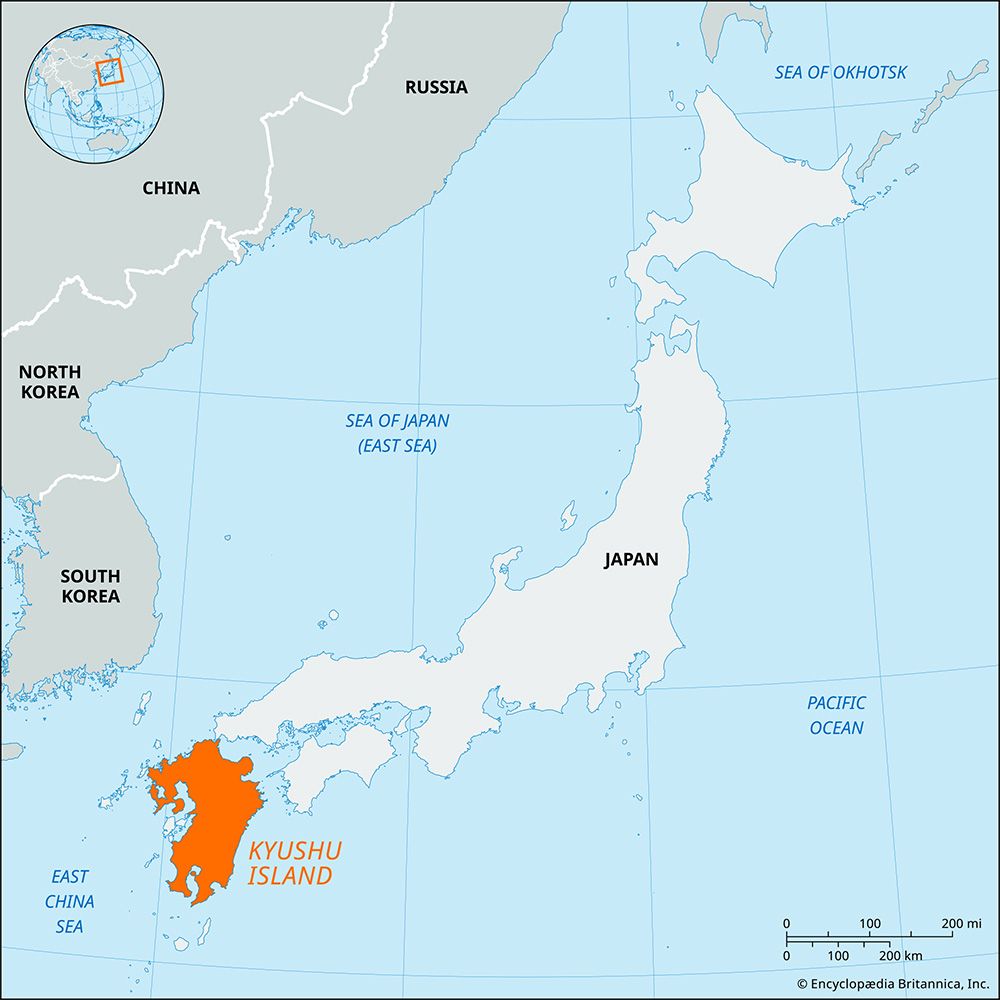
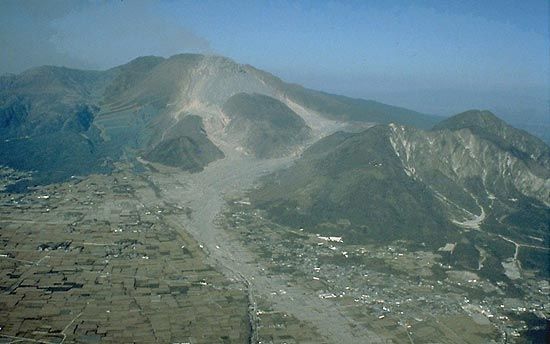
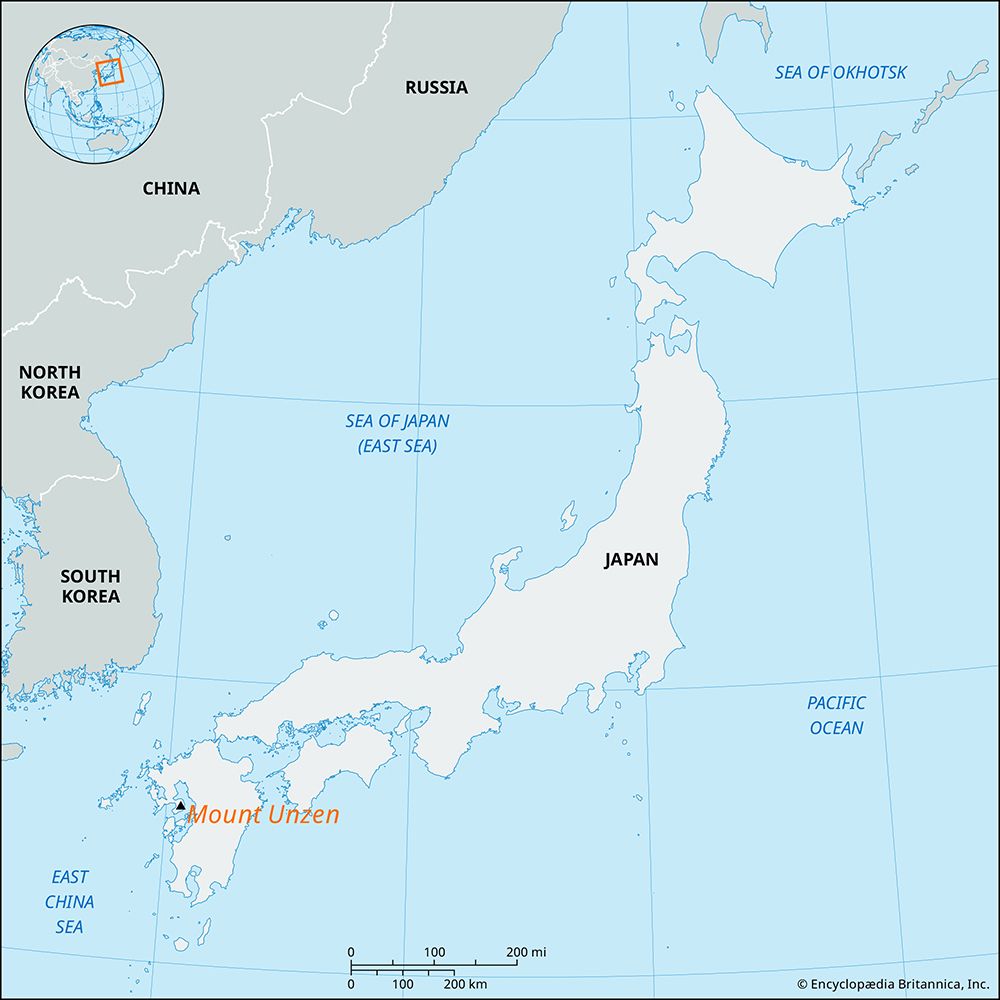
Mount Unzen is a group of composite volcanoes located on the Shimabara Peninsula in western Kyushu, Japan. Its highest peak is Mount Fugen, which reaches an…
What is Mount Unzen?
Mount Unzen is a group of composite volcanoes located on the Shimabara Peninsula in western Kyushu, Japan. Its highest peak is Mount Fugen, which reaches an elevation of 4,462 feet (1,360 metres).1
The volcano is known for its destructive history. A major eruption in 1792 resulted in a debris avalanche and tsunami that killed approximately 15,000 people, marking what is considered the worst volcanic disaster in Japanese history. Following a long period of dormancy, the volcano erupted again on June 3, 1991, causing the deaths of 43 people and necessitating the evacuation of thousands of nearby homes.12
Today, the area is home to the Unzen Hot Spring and is part of the Unzen-Amakusa National Park.1
What is a composite volcano?
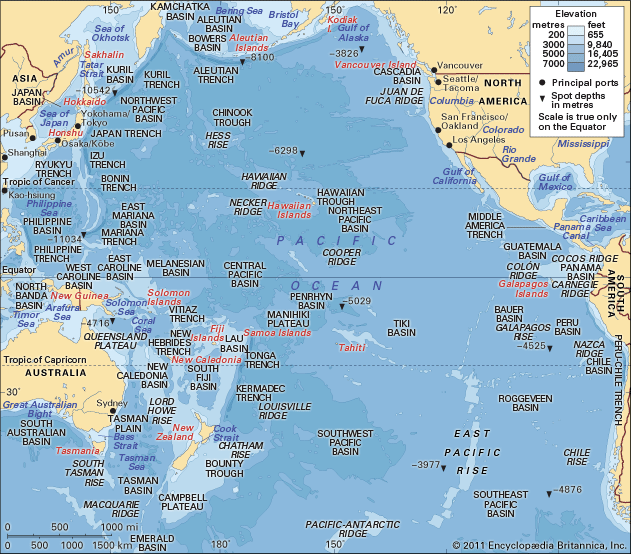
A composite volcano, also known as a stratovolcano, is a type of volcanic landform characterized by a steep, conical shape built up over thousands of years by repeated eruptions. These mountains are formed by alternating layers of volcanic materials, including ash, mud, solidified lava flows, and pyroclastic material.34
Geologists often prefer the term “composite volcano” because these layers are not uniform, blanket-like deposits; rather, they consist of overlapping lobes and tongues of material. These volcanoes are typically found above subduction zones and are common along the Pacific Ocean’s Ring of Fire4.34
Key features include:
- Composition: They are primarily composed of andesite, though rock types can range from basalt to rhyolite.35
- Eruptive Style: They often produce thick, viscous lava and can be prone to explosive eruptions, as well as dangerous lahars (mudflows) lahars (mudflows).34
- Structure: They typically feature a primary vent near the summit, often within a crater, though they may also have secondary vents like fumaroles.4
How do volcanic eruptions cause tsunamis?
Volcanic eruptions can trigger tsunamis through several violent geological processes that displace large volumes of water. These events are particularly common when volcanoes are located along shorelines or are partially submerged.789
Primary mechanisms include:
- Caldera Collapse: When a caldera collapses—often during a massive eruption—the sudden sinking of the volcanic structure into the sea creates a significant displacement of water, which can generate a powerful tsunami. The scale of the resulting wave is typically proportional to the speed and size of the collapse.9
- Avalanches and Pyroclastic Flows: Large avalanches of rock or debris, as well as high-speed pyroclastic flows, can rush down the flanks of a volcano and enter the ocean rapidly. This sudden entry acts like a massive object falling into a pool, displacing water and initiating wave trains.79
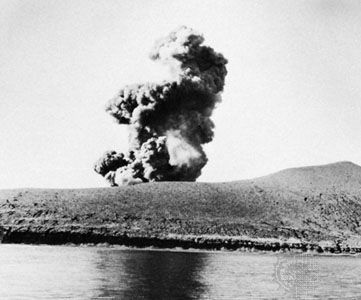
- Explosive Force: Intense volcanic explosions, such as the 1883 eruption of Krakatoa, can directly disturb the water surface and the seafloor, creating destructive waves that travel across ocean basins.108
What are the main differences between dormant and active volcanoes?
The distinction between active and dormant volcanoes is primarily based on their history of eruptions and current state of activity.
- Active Volcanoes: These are volcanoes that have erupted within recorded history or show ongoing signs of activity, such as the emission of gases, frequent tremors, or the presence of molten magma moving beneath the surface. Many active volcanoes are monitored by volcano observatories to track seismic activity and ground deformation, which help scientists forecast potential eruptions. Examples include Kilauea in Hawaii and Mount Etna in Italy.122
- Dormant Volcanoes: Often referred to as “sleeping” volcanoes, these have not erupted for a long period but are still considered capable of erupting again in the future. A volcano may be classified as dormant even if it has not erupted for centuries, provided it retains the potential for future activity. For instance, Mount Fuji is considered an active volcano because of its eruptive history, yet it has been dormant since its last eruption in 1707.2135
Sources
- Mount Unzen — Encyclopædia Britannica
- world’s major volcanoes — Encyclopædia Britannica
- volcano - Stratovolcanoes — Encyclopædia Britannica
- stratovolcano — Encyclopædia Britannica
- volcano - Major types — Encyclopædia Britannica
- igneous rock - Convergent plate boundaries — Encyclopædia Britannica
- How Do Scientists Predict Tsunamis After Earthquakes? — Encyclopædia Britannica
- tsunami - Notable tsunamis — Encyclopædia Britannica
- volcano - Avalanches, tsunamis, and mudflows — Encyclopædia Britannica
- earthquake - Tsunamis — Encyclopædia Britannica
- pyroclastic flow — Encyclopædia Britannica
- geology - Volcanology — Encyclopædia Britannica
- Mount Fuji: Top Questions — Encyclopædia Britannica
Published on · 3 min read