Murrelet
A murrelet is any of six species of small, diving birds within the auk family (Alcidae). These birds typically measure about 20 cm (8 inches) in length…
What is Murrelet?
A murrelet is any of six species of small, diving birds within the auk family (Alcidae). These birds typically measure about 20 cm (8 inches) in length, possess thin bills, and display plain plumage during the winter months. Occasionally referred to as “sea sparrows,” they are notable for their early development; in some species, the young head to sea when only two days old, possessing nearly full-sized webbed feet at the time of hatching.1
Species distribution varies significantly:
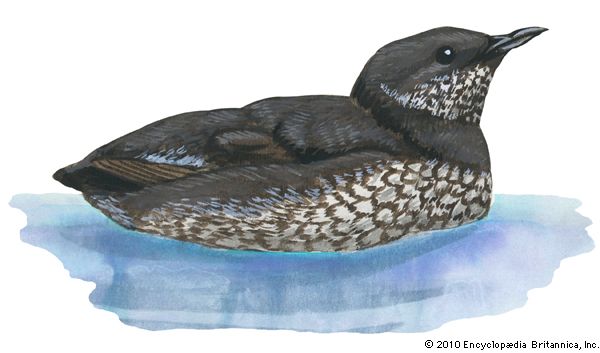
- Marbled murrelet (Brachyramphus marmoratus): Found from Alaska to California, this species is known for its dusky appearance and white underparts mottled with brown.12
- Kittlitz’s murrelet (B. brevirostris): Breeds in Alaska and ranges as far as Japan.1
- Xantus’s murrelet (Endomychura hypoleucus): The most southerly species, nesting along the coast of Baja California and migrating north during the winter.1
What other birds belong to the auk family?
The auk family (Alcidae), also known as alcids, comprises 22 species of compact, web-footed diving birds found in the Northern Hemisphere. In addition to murrelets, the family includes several other distinct groups:345
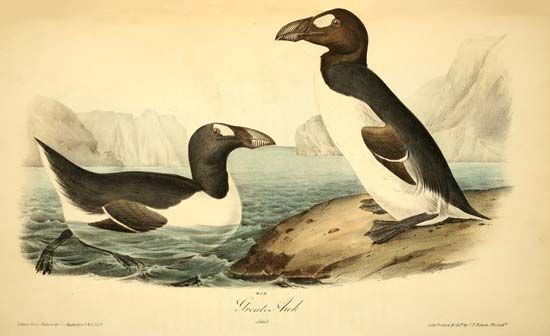
- Auks: This group includes the razorbill (Alca torda) and the extinct great auk (Pinguinus impennis).3
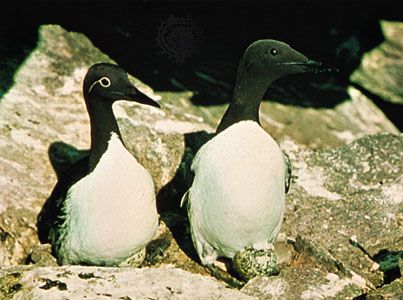
- Murres: These birds are known for nesting on narrow cliff ledges and are closely related to the other alcids.351
- Guillemots: Such as the pigeon guillemot, these birds are typically capable of walking well on land compared to other family members.31
- Puffins: Recognizable by their distinctive bills, these are among the most well-known members of the family.345
- Auklets: These are smaller birds often referred to as “sea sparrows,” similar to murrelets.36
- Dovekies: Also known as the little auk (Plautus alle), this is another representative species of the family.3
These birds are highly adapted for marine life, spending much of their time at sea and nesting in colonies along rocky coasts and islands.351
Why do some murrelet chicks go to sea so early?
Some murrelet species, specifically those in the genus Synthliborhamphus, are described as nidifugous, or precocious, meaning their chicks are highly developed at hatching. These downy chicks are capable of heading to the sea within just two days of emerging from the egg, possessing nearly full-sized webbed feet that allow them to navigate the marine environment shortly after birth.16
While many other members of the auk family remain in the nest for several weeks to be fed by their parents, these specific murrelets bypass the extended nestling period. This early departure is a distinct reproductive strategy within the family, contrasting with species like the pigeon guillemot, which may spend over a month in the nest before becoming independent.6
We could dive deeper into the specific environmental pressures that might have led to this precocious behavior, or explore how other seabirds manage their nesting cycles.
What threats do marbled murrelets face in their habitat?
Sources
- Murrelet — Encyclopædia Britannica
- marbled murrelet — Merriam-Webster
- Auk — Encyclopædia Britannica
- Alcidae — Merriam-Webster
- Charadriiform - General features — Encyclopædia Britannica
- Charadriiform - Auks (suborder Alcae) — Encyclopædia Britannica
Published on · 2 min read