Mycorrhiza
Mycorrhiza is an intimate, typically mutualistic association between the branched, tubular filaments (hyphae) of a fungus and the roots of higher plants.…
What is mycorrhiza?
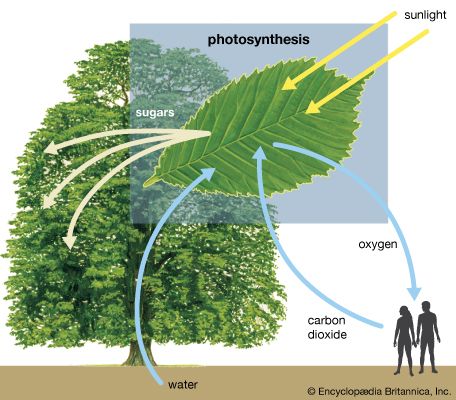
Mycorrhiza is an intimate, typically mutualistic association between the branched, tubular filaments (hyphae) of a fungus and the roots of higher plants. This symbiotic relationship provides enhanced nutritional support for both partners; the plant typically supplies the fungus with carbohydrates produced through photosynthesis, while the fungus provides the plant with essential nutrients like nitrogen from the soil.12
There are two primary types of mycorrhiza:
- Endotrophic: The fungus penetrates the host’s roots, commonly seen in plants such as orchids.1
- Ectotrophic: The fungus forms a protective mantle around the exterior of the smaller roots, a common arrangement for pines.1
Many plants, including citrus and various forest species, rely on these fungal networks to flourish. Beyond their ecological importance, these natural associations are increasingly utilized to benefit forestry, horticulture, and other plant-based industries.1
What is the difference between ectomycorrhizae and endomycorrhizae?
The primary difference between ectomycorrhizae and endomycorrhizae lies in how the fungi interact with the roots of the host plant.1
- Ectomycorrhizae: These fungi form a protective mantle or sheath around the exterior of the plant’s roots. They do not penetrate the root cells themselves. This type of association is commonly observed in trees such as pines, oaks, and beeches.21
- Endomycorrhizae: These fungi penetrate the host’s root cells to establish their association. A well-known example of plants that form this type of relationship are orchids.21
While both types are mutualistic associations that enhance nutrient exchange between the fungus and the plant, they represent distinct structural strategies for colonization. In these relationships, the plant typically provides the fungus with carbohydrates, while the fungus supplies the plant with essential soil nutrients like phosphorus and nitrogen.213
How do plants and fungi exchange nutrients in a mutualistic relationship?
In a mutualistic mycorrhizal relationship, plants and fungi engage in a bidirectional exchange of nutrients that supports the growth and survival of both partners.12
The exchange typically functions as follows:
- From Plant to Fungus: Photosynthetic plants provide the fungi with carbohydrates produced through photosynthesis. These carbon-based nutrients serve as a vital energy source for the fungal partner.12
- From Fungus to Plant: The fungal hyphae, which extend into the surrounding soil, absorb essential mineral nutrients—most notably nitrogen—and transport them back to the plant roots. This process significantly enhances the plant’s nutritional uptake, often allowing it to flourish in environments where it might otherwise struggle.12
This symbiotic balance is widespread in nature, though it is distinct from non-mutualistic interactions like mycoheterotrophy, where certain plants exploit these fungal networks to extract nutrients without providing any reciprocal benefits.2
What are mycoheterotrophs and how do they interact with fungal networks?
A mycoheterotroph is a plant that obtains some or all of its nutrition from fungal networks without providing reciprocal benefits to the fungi. Unlike typical plants that engage in mutualistic mycorrhizal symbiosis—where they trade carbohydrates for soil nutrients—mycoheterotrophs act as a “sink” for carbon.32
How They Interact with Fungal Networks
Mycoheterotrophs generally interact with fungi in two ways:
- Tripartite Relationships: Most mycoheterotrophs exploit existing mycorrhizal connections between fungi and autotrophic (photosynthetic) plants. They leach carbon-based nutrients that the fungi originally acquired from the autotrophic plant, effectively stealing energy from the network.2
- Saprotrophic Interaction: Some specialized orchids derive nutrition directly from saprotrophic fungi, which feed on decaying organic matter rather than relying on a third-party plant.2
Because these plants do not provide a return benefit, the relationship is often described as “nutritional larceny” or epiparasitism. While some species are “partial” mycoheterotrophs (mixotrophs) that can still photosynthesize, “obligate” mycoheterotrophs have lost the ability to photosynthesize entirely, becoming completely dependent on their fungal partners for survival.2
Sources
- mycorrhiza — Encyclopædia Britannica
- mycoheterotroph — Encyclopædia Britannica
- mycoheterotroph: Top Questions — Encyclopædia Britannica
- fungus - Mycorrhiza — Encyclopædia Britannica
- soil organism — Encyclopædia Britannica
- fungus - Parasitism in plants and insects — Encyclopædia Britannica
Published on · 3 min read