Soil Organism
Soil organisms are essential catalysts in nutrient cycling, acting as the primary agents that break down complex organic matter into forms that plants can…
What role do soil organisms play in nutrient cycling?
Soil organisms are essential catalysts in nutrient cycling, acting as the primary agents that break down complex organic matter into forms that plants can absorb to build new tissues. By decomposing dead plant and animal remains, these organisms facilitate several critical natural cycles.1
Key Nutrient Cycles
- Carbon Cycle: Soil organisms consume decaying tissues, releasing carbon dioxide (CO2CO_2) back into the environment. This CO2CO_2 is then utilized by plants and photosynthetic microorganisms to create new biomass, restarting the cycle. Under anaerobic conditions, bacteria may instead produce methane (CH4CH_4).12
- Nitrogen Cycle: Microorganisms break down complex proteins and nucleic acids into ammonium (NH4+NH_4^+), nitrites (NO2−NO_2^-), and nitrates (NO3−NO_3^-), which are vital for plant growth. Additionally, specific bacteria like Rhizobium form symbiotic relationships with legumes to fix atmospheric nitrogen into a usable form.12
- Sulfur Cycle: Microorganisms break down naturally occurring sulfur compounds in the soil, making this essential element available for plant uptake.1
Through these processes, soil organisms maintain soil fertility and structure, effectively rejuvenating the environment by recycling the building blocks of life.12
What are the main types of soil organisms, and how are they classified?
Soil organisms are defined as any organism that inhabits the soil for part or all of its life. They are essential for maintaining soil fertility, structure, drainage, and aeration by decomposing organic matter and facilitating nutrient cycles.1
These organisms are commonly classified into five arbitrary groups based on their size:1
- Protists: The smallest group, including bacteria, actinomycetes, and algae.
- Microfauna: Organisms less than 100 microns in length, such as single-celled protozoans, smaller flatworms, nematodes, rotifers, and tardigrades.
- Mesofauna: A heterogeneous group including nematodes, mites, springtails, proturans, and pauropods.
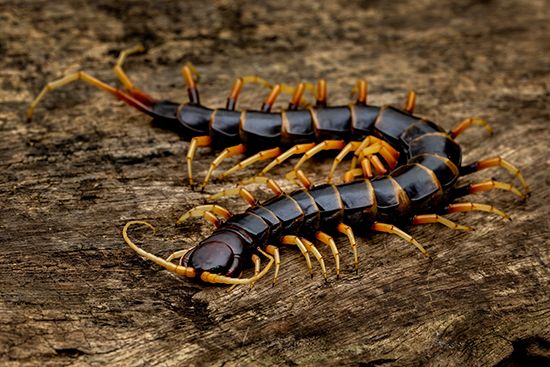
- Macrofauna: Diverse organisms such as potworms, slugs, snails, millipedes, centipedes, and various insect larvae.
- Megafauna: The largest soil organisms, including earthworms and burrowing vertebrates like moles, rabbits, and gophers.
While some soil organisms can act as pests, they are generally vital to the environment, acting as catalysts that break down complex substances into nutrients usable by plants.1
What are some examples of symbiotic relationships between soil organisms and plants?
Symbiotic relationships between soil organisms and plants are fundamental to ecosystem health, providing mutual nutritional benefits that allow many plant species to thrive. Two primary examples of these associations are nitrogen-fixing bacteria and mycorrhizal fungi.
Nitrogen-Fixing Bacteria
Certain bacteria, most notably Rhizobium, form mutualistic relationships with legumes such as peas, beans, and alfalfa. These bacteria invade the plant’s root hairs, stimulating the formation of root nodules. Within these structures, the bacteria convert atmospheric nitrogen into ammonia, which the host plant utilizes for development. Other examples include Frankia, which associates with certain dicotyledonous species, and Azospirillum, which interacts with cereal grasses.345
Mycorrhizae
Mycorrhiza refers to the intimate association between fungal hyphae and plant roots. This relationship is generally mutually beneficial: the fungus aids the plant in nutrient uptake, while the plant provides the fungus with carbohydrates. There are two main types:26
- Endotrophic: The fungus invades the host’s roots, common in plants like orchids.2
- Ectotrophic: The fungus forms a protective mantle around the exterior of the roots, often seen in pines.2
These associations are so vital that many plants cannot become established or flourish without their specific fungal or bacterial partners.26
How do soil organisms interact with plants and affect plant growth?
Soil organisms interact with plants in complex ways that significantly influence plant growth, ranging from essential symbiotic partnerships to the spread of disease.
Beneficial Interactions
Soil organisms act as vital catalysts in natural cycles, such as the carbon cycle, nitrogen cycle, and sulfur cycle. By breaking down complex organic matter—such as decaying plant and animal tissues—they release stored nutrients into forms that plants can absorb to build their own tissues.1
- Symbiosis: Certain bacteria, such as Rhizobium, form mutualistic relationships with legumes. These bacteria fix atmospheric nitrogen in root nodules, providing the plant with usable nitrogen in exchange for growth-promoting secretions. Similarly, mycorrhizal fungi associate with plant roots to facilitate nutrient uptake, while some plants, known as mycoheterotrophs, rely entirely on these fungal networks for nutrition.127
- Soil Structure: Earthworms and other burrowing animals improve soil fertility by aerating the soil, improving drainage, and mixing organic matter into the subsoil, creating a better matrix for plant roots.1
Negative Interactions
Not all interactions are beneficial. Some soil organisms are considered pests, including nematodes, slugs, and various insect larvae, which can damage roots and inhibit growth. Furthermore, certain soil-borne pathogens cause root rot or wilt diseases, the severity of which is often influenced by soil type and pH levels.189
Sources
- soil organism — Encyclopædia Britannica
- soil - Biological phenomena — Encyclopædia Britannica
- Nitrogen-fixing bacteria — Encyclopædia Britannica
- mycorrhiza — Encyclopædia Britannica
- community ecology - The pervasiveness of mutualism — Encyclopædia Britannica
- Microbiology - Soil microbiology — Encyclopædia Britannica
- mycoheterotroph — Encyclopædia Britannica
- Plant disease - Soil type — Encyclopædia Britannica
- Plant disease - Soil pH — Encyclopædia Britannica
Published on · 3 min read