Orchid
The Orchidaceae family is vast, comprising approximately 26,000 species. Many are cultivated for their showy, beautiful flowers, which have long inspired…
What are some of the most popular orchid varieties cultivated for their beauty?
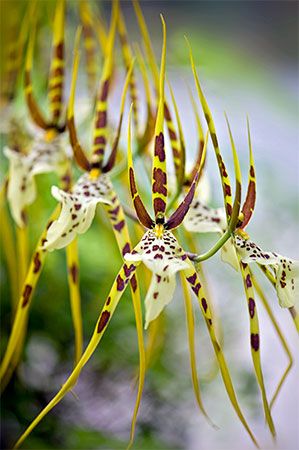
The Orchidaceae family is vast, comprising approximately 26,000 species. Many are cultivated for their showy, beautiful flowers, which have long inspired admiration. Some of the most popular varieties include:12
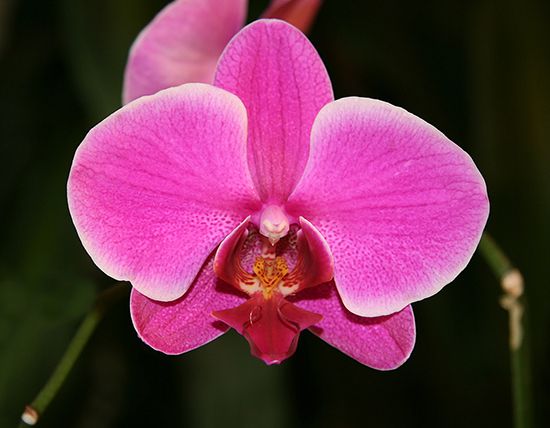
- Moth orchids (Phalaenopsis): These are among the most popular houseplants due to their ease of care and long-lasting white, purple, or pink flowers.3
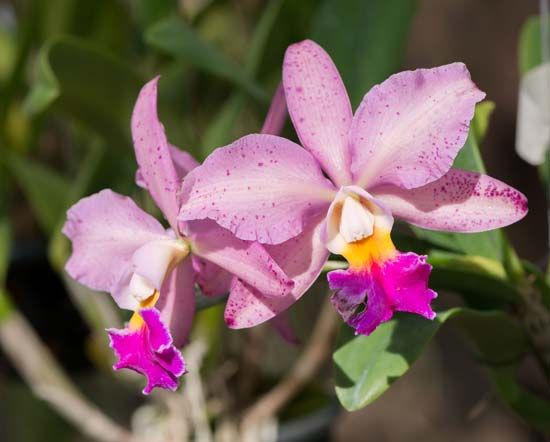
- Cattleya: Known for their large, brightly colored blooms, these orchids are commercially important and frequently used in corsages. They have been hybridized extensively to produce thousands of showy varieties.4
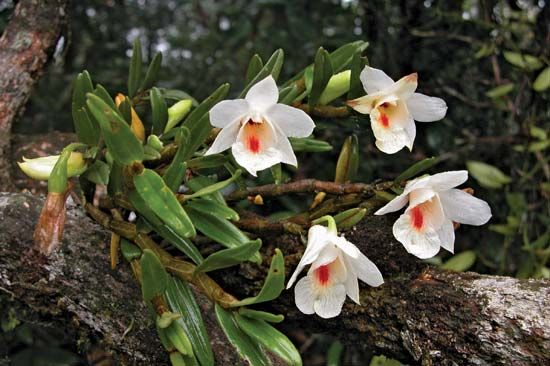
- Dendrobium: A diverse genus of epiphytic orchids that includes popular ornamentals like the white-flowered pigeon orchid and the unique, twisted-petal bull orchid.5
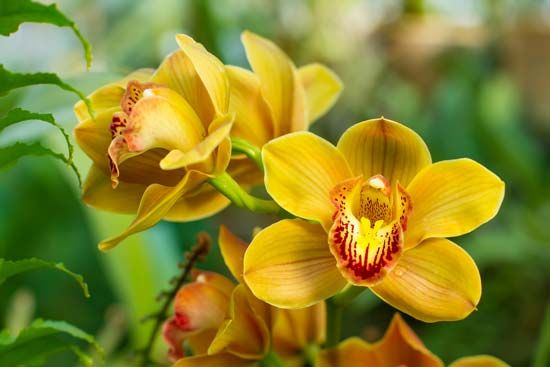
- Oncidium: Often called “dancing ladies” or “tiger orchids,” these tropical American orchids are prized for their sprays of yellow or brown flowers.67
Beyond these, many other genera such as Cymbidium, Vanda, and Lady’s slipper are widely cultivated for their unique structural diversity and aesthetic appeal.1
How many species of orchids exist, and where are they found in the world?
The Orchidaceae family is one of the largest groups of flowering plants, consisting of nearly 900 genera and more than 26,000 species.10
Orchids are distributed throughout the world, though they are most abundant in the wet tropics. Their ecological range is remarkably broad:10
- Tropical Regions: They thrive in cloud-forest associations on mountainsides, where they often grow as epiphytes (plants that grow on other plants rather than in soil).111
- Temperate Zones: Many species are found in the northern and southern temperate zones, typically growing as terrestrial plants in bogs, prairies, grasslands, and hardwood forests.111
- Extreme Environments: Orchids have been documented north of the Arctic Circle, in desert conditions, and at elevations reaching at least 4,600 meters (15,000 feet).11
While some species are widespread, others are highly specialized and may be restricted to a single mountain or specific habitat, such as mangrove roots or bare rocks.11
What are the unique characteristics that define orchids as a plant family?
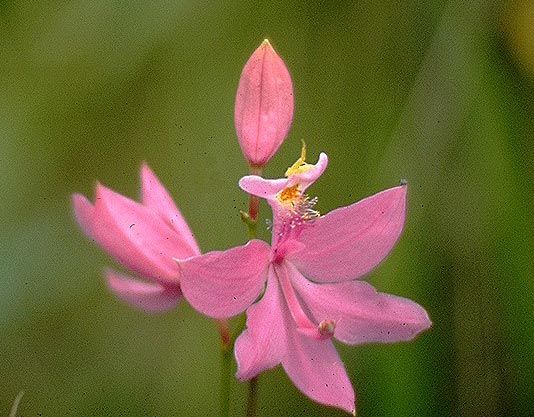
The Orchidaceae family is defined not by a single unique trait, but by a specific combination of morphological characteristics associated with the flower and its reproductive organization.13
Key defining characteristics include:
- Floral Structure: Orchid flowers are bilaterally symmetrical. The sexual organs—the stamens and pistil—are reduced in number and fused into a single structure called the column.1413
- The Labellum: One petal is specialized as a landing platform for pollinators, known as the lip or labellum. Through a process called resupination, the flower often twists during development so that the lip faces downward.14
- Pollinia: Unlike most plants, orchid pollen is typically bound together by sticky threads into masses called pollinia, which are often transferred to pollinators as a single unit.1413
- Seed Development: Orchid seeds are extremely small, dustlike, and lack endosperm, the nutrient-rich tissue that nourishes embryos in most other flowering plants. Because they lack this food source, they require a symbiotic relationship with a mycorrhizal fungus to germinate and establish themselves.13115
What are some common challenges in growing orchids as houseplants?
Growing orchids as houseplants can be challenging because they are often more demanding than other common indoor plants. Their primary difficulties stem from their specific environmental requirements and susceptibility to disease:17
- Temperature Requirements: As tropical plants, many orchids are frost-tender and require specific temperature ranges to thrive. While some species can be grown in a coolhouse (minimum 45 °F/7 °C), many others require an intermediate house (55–60 °F/13–16 °C) or a hothouse (above 60 °F/16 °C) to remain healthy and flower consistently.1718
- Disease Susceptibility: Orchids are vulnerable to various forms of rot, which are caused by soil-borne fungi, bacteria, or oomycetes. These diseases often manifest as root rot, where plants lose vigor, become stunted, and fail to respond to water or fertilizer.19
- Environmental Sensitivity: Because many orchids are native to warm, humid tropical regions, they may struggle to adjust to the typically warm and dry conditions found in standard indoor living spaces.17
To maintain healthy orchids, it is essential to provide proper drainage and avoid conditions that encourage decay, such as overcrowding or improper watering.19
Sources
- orchid - Structural diversity — Encyclopædia Britannica
- moth orchid — Encyclopædia Britannica
- Oncidium — Encyclopædia Britannica
- cattleya — Encyclopædia Britannica
- Dendrobium — Encyclopædia Britannica
- oncidium — Merriam-Webster
- list of plants in the family Orchidaceae — Encyclopædia Britannica
- Did you know? — Merriam-Webster
- 10 Words for Uncommon Colors | Cattleya — Merriam-Webster
- orchid — Encyclopædia Britannica
- orchid - Ecology — Encyclopædia Britannica
- orchid: Top Questions — Encyclopædia Britannica
- orchid - Floral structure — Encyclopædia Britannica
- orchid - Bee pollination — Encyclopædia Britannica
- orchid - Natural history — Encyclopædia Britannica
- orchid - Seeds — Encyclopædia Britannica
- houseplant — Encyclopædia Britannica
- Rot — Encyclopædia Britannica
- gardening - Protecting plants — Encyclopædia Britannica
Published on · 3 min read