Sierra Club
The Sierra Club has evolved significantly since its founding in 1892 by John Muir. Initially, the organization focused on sponsoring wilderness outings and…
How has the Sierra Club’s focus evolved over time, from its initial conservation efforts to its current environmental activism?
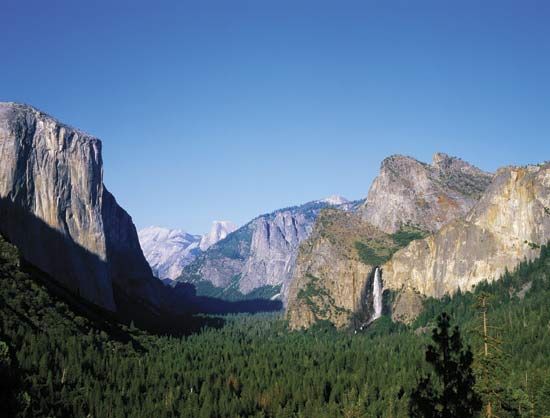
The Sierra Club has evolved significantly since its founding in 1892 by John Muir. Initially, the organization focused on sponsoring wilderness outings and local conservation efforts, such as protecting Yosemite National Park.1
In the early 20th century, the club expanded its influence by supporting the creation of the National Park Service and opposing industrial encroachment on public lands. By the mid-20th century, the organization shifted toward a national scope, successfully lobbying for landmark federal legislation including the Wilderness Act, the Clean Air Act, and the establishment of the Environmental Protection Agency1.1
In recent decades, the club has broadened its mission to address global challenges like climate change and overpopulation. Most recently, the organization has taken a firm moral stance against racism, acknowledging its own historical shortcomings and committing to integrate social justice into its core environmentalism work.1
What are some of the Sierra Club’s most significant achievements in terms of environmental protection and policy influence?
The Sierra Club has been a pivotal force in American environmental policy since its inception. Its achievements span from early regional preservation to broad national legislative influence.
Early Conservation Successes
- Yosemite National Park: The club’s first major political victory involved preventing the reduction of Yosemite National Park and facilitating its transfer to federal control in 1905.1
- Institutional Foundations: The organization played a key role in advocating for the creation of the National Park Service in 1916 and the California State Park Commission in 1927.1
National Legislative Impact
Following the opening of its Washington, D.C. office in 1963, the club became a major lobbyist for federal environmental protections, including:
- Wilderness Act (1964): Secured legal protection for designated wilderness areas.1
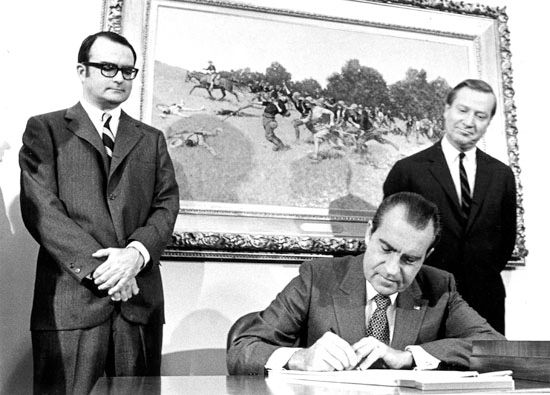
- Environmental Protection Agency (1970): Supported the creation of the federal body responsible for environmental regulation.1
- Clean Air Act (1977): Influenced critical legislation to regulate air emissions.1
The club also successfully campaigned for the protection of diverse ecosystems, including the Grand Canyon, the Great Lakes, the Everglades, and Alaskan forests.1
What were the main objectives and principles that led to the founding of the Sierra Club?
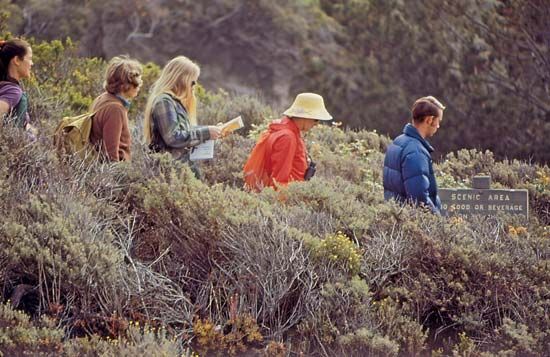
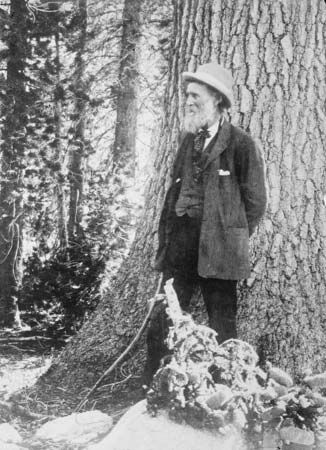
The Sierra Club was founded in 1892 by a group of Californians, led by naturalist John Muir, with the primary objective of sponsoring wilderness outings in the mountain regions of the Pacific Coast.12
The organization was built upon the principle of preservationism, which held that national parks and forests should be protected in their entirety and kept off-limits to industrial interests, such as mining, grazing, and logging. This approach stood in contrast to the utilitarian conservation philosophy of the era, which favored the sustainable use of natural resources.12
From its inception, the club functioned as an exclusive organization, utilizing a sponsorship-based membership system that effectively screened out applicants of color. Furthermore, the early movement was shaped by a land ethic that often romanticized the “heroic white man” in the wilderness while marginalizing Indigenous peoples and African Americans, whose vital stewardship of the land was frequently ignored or disparaged by the club’s leadership.2
How does the Sierra Club fund its activities and campaigns?
The provided search results do not contain specific information regarding the financial mechanisms, such as membership dues, donations, or grants, that the Sierra Club uses to fund its activities and campaigns. While the text notes that the organization established a charitable foundation in 1960 and a legal defense fund in 1971, it does not detail the broader funding structure of the group.1
Sorry, the Britannica knowledge base does not contain this information.
Sources
- Sierra Club — Encyclopædia Britannica
- John Muir — Encyclopædia Britannica
- Sierra Nevada - Study and exploration — Encyclopædia Britannica
Published on · 3 min read