Nematocyst
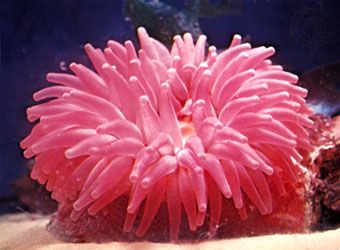
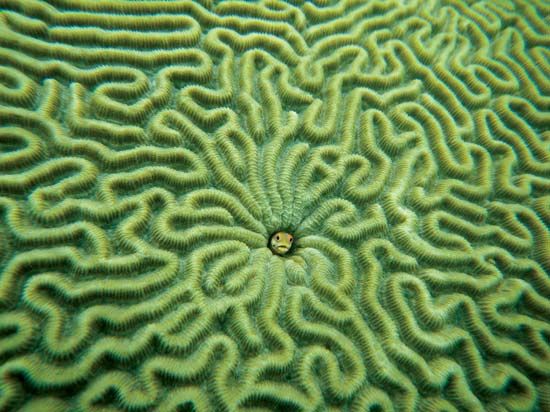
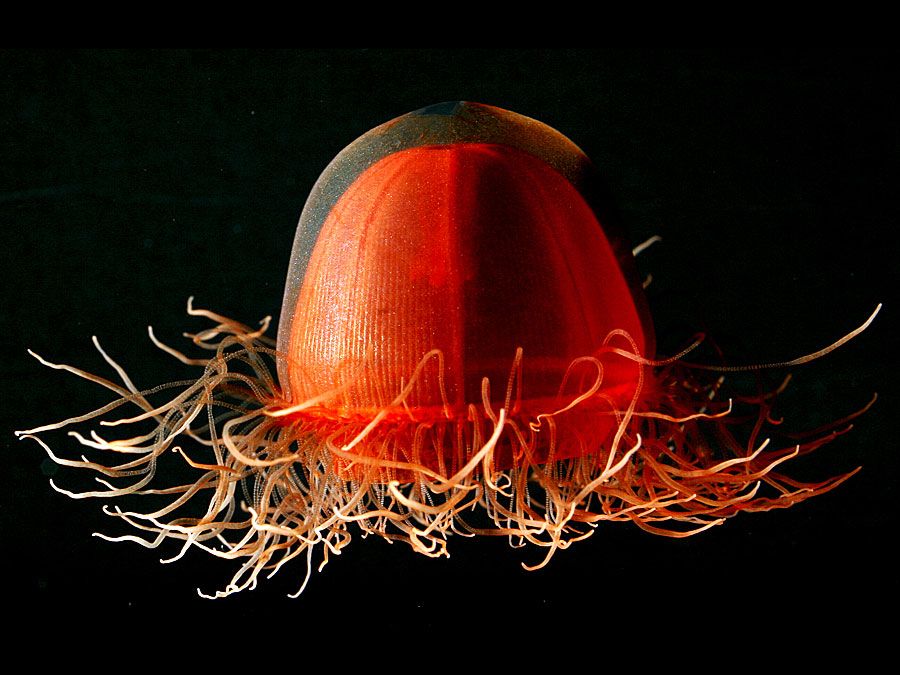
Nematocysts are specialized, complex organelles produced by Cnidaria—a phylum that includes coral, jellyfish, and sea anemone—that serve as critical tools…
What role do nematocysts play in coral reef ecosystems?
Nematocysts are specialized, complex organelles produced by Cnidaria—a phylum that includes coral, jellyfish, and sea anemone—that serve as critical tools for both defense and aggression within reef ecosystems.12
Each nematocyst functions as a microscopic capsule containing a coiled, hollow, and often barbed thread. When triggered by mechanical or chemical cues, the thread is explosively everted, allowing the organism to penetrate, ensnare, or inject toxins into prey or competitors.21
In the competitive environment of a coral reef, nematocysts play several vital roles:
- Prey Capture: They allow cnidarians to secure food by paralyzing or entangling small organisms.12
- Space Competition: Corals and anemones use nematocyst-studded structures to defend their territory, often killing or repelling competitors to monopolize space.3
- Defense: While they deter many potential predators, some specialized species, such as certain nudibranchs and parrot fishes, have evolved mechanisms to bypass or even sequester these defenses for their own protection.34
Are there any other organisms besides cnidarians that possess nematocysts?
Nematocysts are produced exclusively by members of the phylum Cnidaria, such as jellyfish, corals, and sea anemones. The presence of these complex, microscopic stinging capsules is a defining characteristic that separates cnidarians from all other animals.25
While other organisms have evolved different mechanisms to deliver toxins or defend themselves, they do not possess true nematocysts. For example:
- Plants: Some plants, such as the stinging nettle, utilize structures called trichomes. These needlelike tubes break upon contact to inject a mixture of chemicals, providing a defensive function similar to a sting, but they are structurally distinct from the intracellular capsules found in cnidarians.1
- Venomous Animals: Many other animals, including snakes, spiders, and the platypus, are venomous, but they rely on specialized organs like fangs or spurs to inject their toxins rather than the explosive, eversible threads contained within nematocysts.1
How does the structure of a nematocyst contribute to its function?
The structure of a nematocyst is highly specialized to facilitate its role in defense and prey capture. Each capsule contains a coiled, hollow, and often barbed tubule that acts as an explosive delivery system.21
Structural Components and Function
- The Capsule: This spherical or cigar-shaped container houses the coiled tubule and, in many cases, potent toxins. It is produced by a specialized cell known as a cnidoblast.21
- The Lid: A lidlike structure at the top of the capsule acts as a trigger mechanism. Upon receiving specific mechanical or chemical stimuli, this lid pops open, initiating the discharge process.21
- The Tubule: This hollow thread is the primary functional component. When the capsule is triggered, the tubule everts explosively with a twisting motion. Depending on the type, the tubule may be:2
Once the tubule is fully everted, it separates from the capsule, which can only be fired once.21
How do nematocysts contribute to prey capture and defense in cnidarians?
Nematocysts are essential tools for cnidarians, serving as highly specialized mechanisms for both defense and predation. These complex intracellular capsules function through an explosive discharge process triggered by mechanical or chemical cues.12
Mechanisms for Prey Capture and Defense
- Penetration and Toxin Delivery: Many nematocysts are armed with barbs that act like a drill, piercing the target upon contact. Once the hollow tubule has penetrated the tissue, it delivers potent toxins that can paralyze or incapacitate prey and deter potential predators.12
- Adhesion and Entanglement: Not all nematocysts rely on toxins. Some tubules are adhesive, allowing the animal to stick to and hold onto food items. Others are designed to wrap around and entangle small prey, securing them until they can be consumed.12
While once considered independent effectors, research suggests that cnidarians may exert some level of organismal control over the firing of these capsules, potentially adjusting their sensitivity through associated nervous complexes. Because each nematocyst can be fired only once, they represent a significant investment in the animal’s survival strategy.712
Sources
- cnidarian - Defense and aggression: nematocysts — Encyclopædia Britannica
- nematocyst — Encyclopædia Britannica
- cnidarian - Ecology and habitats — Encyclopædia Britannica
- cnidarian - Associations — Encyclopædia Britannica
- What’s the Difference Between Venomous and Poisonous? — Encyclopædia Britannica
- cnidarian — Encyclopædia Britannica
- cnidarian - Nervous system and organs of sensation — Encyclopædia Britannica
Published on · 3 min read