New Caledonia
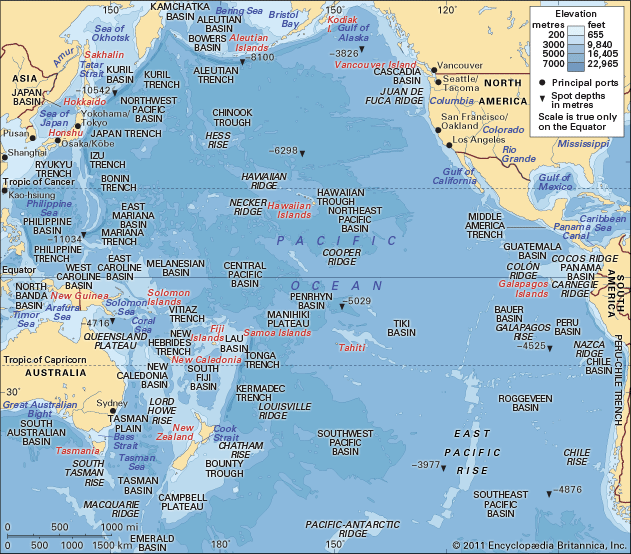
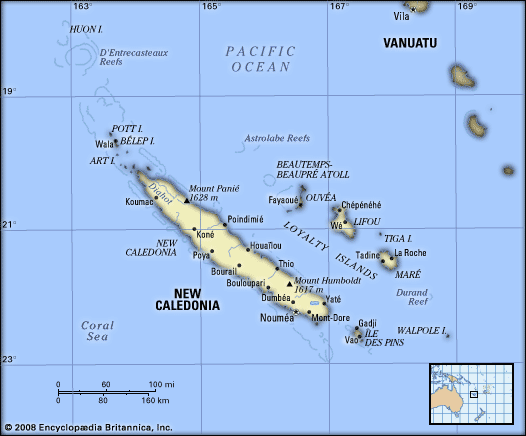
New Caledonia is a French unique collectivity located in the southwestern Pacific Ocean, approximately 750 to 900 miles east of Australia. It comprises the…

Where is New Caledonia located, and what is its significance in the Pacific Ocean?
New Caledonia is a French unique collectivity located in the southwestern Pacific Ocean, approximately 750 to 900 miles east of Australia. It comprises the main island of Grande Terre, the Loyalty Islands, and several smaller islands and atolls.12
The territory holds significant importance in the Pacific for several reasons:
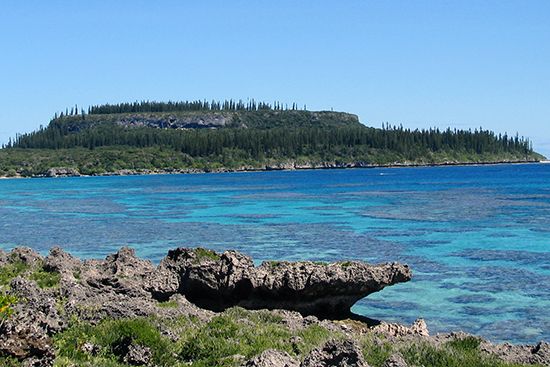
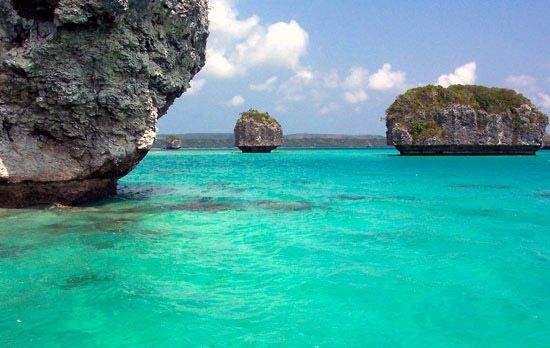
- Natural Heritage: The islands are encircled by one of the world’s longest barrier reefs, which, along with its diverse lagoons and ecosystems, was designated a UNESCO World Heritage site in 2008.12
- Economic Resources: New Caledonia possesses a substantial share of the world’s known nickel ore reserves, making mining and refining central to its economy.32
- Geopolitical Status: As a French collectivity, it maintains a unique political status with limited autonomy under the Nouméa Accord, serving as a strategic French presence in the region.4
How has New Caledonia’s nickel mining industry impacted its economy and environment?
New Caledonia’s nickel mining industry is a cornerstone of its economy, though it is subject to the volatility of global markets. Since mining began in 1875, the export of nickel ore and refined nickel has been a primary economic driver, with more than three-fourths of the territory’s energy production dedicated to refining processes. While this industry helps provide one of the highest GDPs per capita in the South Pacific, the economy remains vulnerable to boom-and-bust cycles dictated by the global steel industry and international competition.267
Regarding the environmental impact, the provided search results do not contain specific details on the ecological consequences of mining operations, such as land degradation or water pollution. The available information focuses primarily on the economic reliance on nickel, the energy demands of refining, and the historical context of the industry.278
It is important to note that while the industry is economically significant, wealth distribution remains unequal, with disparities between ethnic groups regarding income and land ownership.7
What are the main economic activities and natural resources of New Caledonia?
New Caledonia’s economy is primarily driven by the mining sector, the service industry, and financial support from France.
Natural Resources
The territory is globally significant for its vast reserves of nickel ore, which result from the weathering of serpentine rock. Historically, it has also held deposits of chromium, cobalt, iron, and magnesium, though these are no longer actively worked. While the territory has explored for oil, those efforts have been unsuccessful, and noncommercial coal deposits exist on the west coast.7
Economic Activities
- Mining and Refining: The export of nickel ore and refined nickel is the backbone of the economy, though it is highly sensitive to global market fluctuations and the demands of the international steel industry. Nickel refining is energy-intensive, consuming more than three-fourths of the territory’s power production.72
- Services and Government: The service sector, including finance, trade, and government administration, accounts for a large portion of the gross domestic product and provides approximately two-thirds of all employment.62
- Agriculture and Primary Industries: While agriculture, forestry, and fishing are present, they struggle to meet local demand. Subsistence farming remains vital for many Melanesian families, and cattle raising is a notable agricultural activity.69
- Import-Substitution: Small-scale manufacturing exists for goods like cement, soap, and beverages, though these have limited economic impact due to the small local market.6
How has New Caledonia’s history been shaped by French colonization and recent independence movements?
New Caledonia’s history has been profoundly shaped by French colonial policies and ongoing struggles for self-determination. France annexed the territory in 1853, initially utilizing it as a penal colony between 1864 and 1897. Colonial rule was marked by the systemic alienation of indigenous Melanesian land, the imposition of the indigénat (native regulations), and forced labor, which triggered frequent and violent uprisings throughout the late 19th and early 20th centuries.104
The demographic landscape shifted significantly during the 20th century, particularly during the nickel boom of 1969–72, which brought an influx of settlers and rendered the indigenous Kanak population a minority. Political tensions intensified in the 1980s as the Kanak Socialist National Liberation Front (FLNKS) campaigned for independence, leading to violent confrontations with pro-French factions.1011
These conflicts resulted in the Matignon Accords (1988) and the Nouméa Accord (1998), which established a framework for autonomy and three independence referendums. While the first two votes rejected independence, the 2021 referendum was boycotted by pro-independence groups, undermining its perceived legitimacy. Recent tensions, including violent protests in 2024 over proposed electoral changes, highlight the persistent challenges in balancing French sovereignty with the aspirations of the Kanak people.10
Sources
- New Caledonia — Encyclopædia Britannica
- New Caledonia - Resources and power — Encyclopædia Britannica
- New Caledonia — Merriam-Webster
- New Caledonia — Encyclopædia Britannica
- New Caledonia - Government and society — Encyclopædia Britannica
- New Caledonia - Services and trade — Encyclopædia Britannica
- New Caledonia - Economy — Encyclopædia Britannica
- nickel processing - History — Encyclopædia Britannica
- New Caledonia - Agriculture, fishing, and forestry — Encyclopædia Britannica
- New Caledonia - History of New Caledonia — Encyclopædia Britannica
- Pacific Islands - Independence movements — Encyclopædia Britannica
Published on · 4 min read