Pacific Islands
The Pacific Islands face several critical environmental challenges, many of which are interconnected and pose existential threats to their inhabitants and…
What are some of the most significant environmental issues facing the Pacific Islands today?
The Pacific Islands face several critical environmental challenges, many of which are interconnected and pose existential threats to their inhabitants and ecosystems.
- Climate Change: This is arguably the most significant issue. Rising sea levels and warming ocean temperatures threaten to submerge low-lying island nations like Tuvalu and Kiribati. Climate change also drives coastal erosion, more frequent and severe cyclones, and unpredictable rainfall patterns that lead to both flooding and drought.1
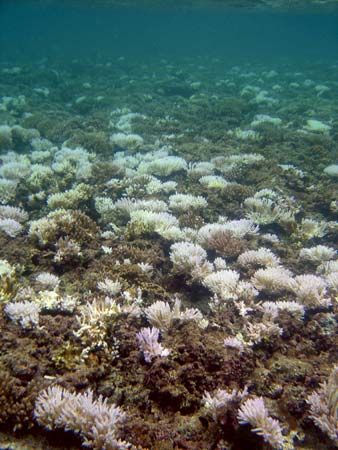
- Ecosystem Degradation: Ocean acidification and rising temperatures cause coral bleaching, which destroys the reefs that support marine biodiversity and provide essential livelihoods. Furthermore, saltwater intrusion into groundwater supplies is actively reducing available agricultural land.12
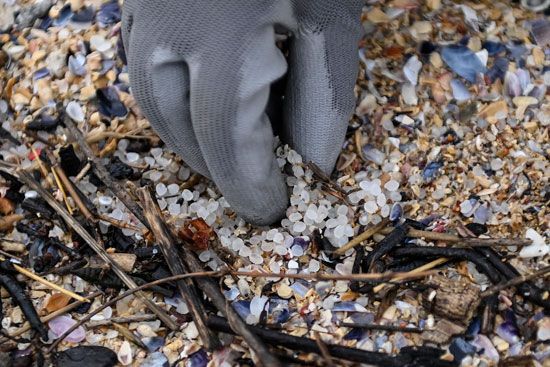
- Pollution: The Pacific is a major sink for plastic pollution, including microplastics that infiltrate food webs and harm marine life through ingestion and entanglement.34
- Overfishing: Increasing population pressure and industrial development have led to the overharvesting of coastal species, impairing vital marine habitats.56
Protecting these fragile environments is a moral imperative, as the health of these ecosystems is inextricably linked to the survival and dignity of the Pacific Island communities.
What are some of the major cultural groups and languages found across the Pacific Islands?
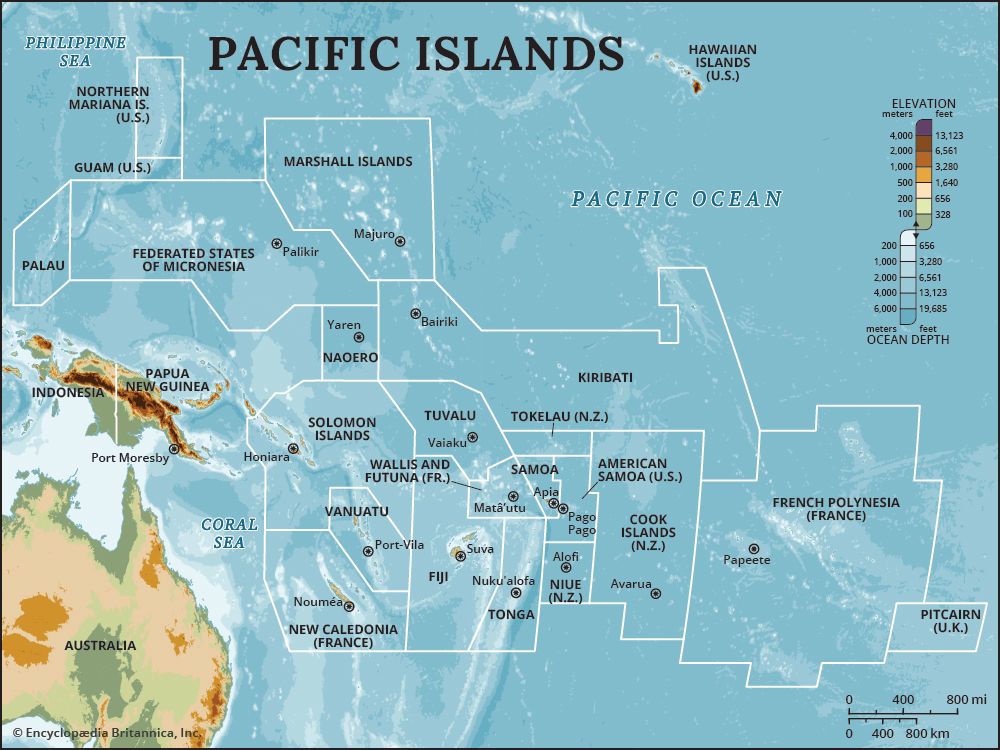
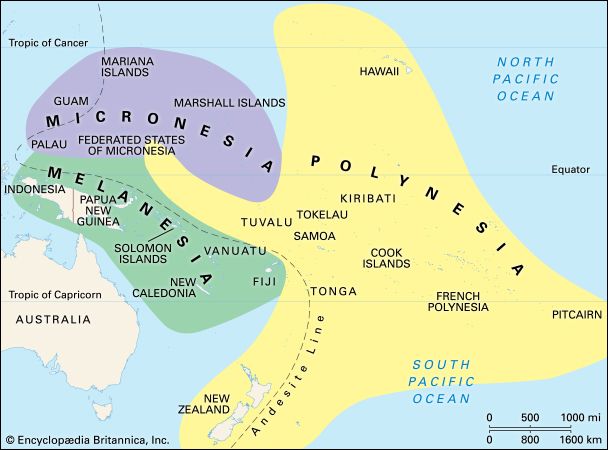
The Pacific Islands are home to a rich tapestry of cultures and languages, traditionally categorized into three major ethnogeographic regions: Melanesia, Micronesia, and Polynesia.8
Cultural and Linguistic Foundations
The region’s linguistic landscape is defined primarily by two major groups:
- Austronesian Languages: These are the most widespread, originating from Southeast Asia. They are ancestral to many languages across coastal New Guinea, the Bismarck Archipelago, the Solomons, Vanuatu, New Caledonia, and most of Micronesia and Polynesia.910
- Papuan Languages: Predominantly found in New Guinea and parts of the Bismarck Archipelago, these represent an ancient tradition distinct from the Austronesian family. They are characterized by immense diversity, including hundreds of distinct languages and isolates, such as the Trans-New Guinea family.911
Regional Diversity
- Melanesia: This region features a complex mix of Papuan and Austronesian influences. While often grouped together, the cultural and linguistic diversity here is significant, with many communities retaining unique social and religious systems.9
- Micronesia: Characterized by high cultural and linguistic diversity, Micronesia contains many mutually unintelligible languages. While most are Austronesian, those in the west (such as Palau, Yap, and the Marianas) are distinct from the “nuclear Micronesian” languages found further east.10
- Polynesia: This region shares strong cultural and linguistic ties, with many societies historically organized under hereditary chiefs and complex religious systems incorporating concepts like mana and tapu.9
Across the islands, English and French serve as common official languages, and Christianity has largely become the dominant religious practice, often blending with traditional customs.8
How are Pacific Island nations working together to address regional challenges?
Pacific Island nations collaborate through several key regional organizations to address shared economic, political, and social challenges.
Regional Organizations
- Pacific Islands Forum: Established in 1971, this organization serves as the primary venue for heads of government to discuss common issues. It facilitates cooperation on trade, tourism, and transportation. In 2000, members adopted the Biketawa Declaration, a commitment to promoting democratic governance, clean government, and equal rights for all citizens regardless of background.13
- Secretariat of the Pacific Community (SPC): Founded in 1947, the SPC is the oldest regional organization. It functions as a technical agency, providing research, training, and assistance to address medical, educational, economic, and social problems. The annual South Pacific Conference allows members to determine the organization’s budget and technical assistance programs.14
Addressing Economic and Resource Challenges
Island nations leverage their exclusive economic zones to manage marine resources, particularly tuna fisheries. By regulating access to these waters, island states can collect fees for fishing rights and develop local processing facilities. Additionally, nations are increasingly engaging in regional initiatives to combat environmental threats, such as marine sustainability efforts, to protect the ecosystems essential to their livelihoods.153
How has climate change affected the Pacific Islands, and what challenges do these nations face?
Climate change represents an existential threat to the Pacific Islands, manifesting in ways that jeopardize both land and livelihood. As global warming drives rising sea levels, low-lying nations such as Tuvalu and Kiribati face the literal disappearance of their territory.1
Environmental and Social Impacts
The region faces several critical disruptions:
- Physical Erosion: Rising waters and more frequent, severe cyclones cause significant damage to coastal land and infrastructure.1
- Ecosystem Degradation: Ocean acidification and rising temperatures lead to coral bleaching, threatening the marine life essential to local sustenance.1
- Resource Scarcity: The intrusion of salt water into groundwater supplies destroys agricultural land, while shifting weather patterns cause unpredictable cycles of flooding and drought.1
Adaptation Challenges
Nations are actively working to mitigate these risks. For example, the Solomon Islands have developed action plans to improve water management and crop resilience. A major, difficult challenge involves the potential relocation of entire communities from vulnerable coastal zones to safer areas.16
We could dive deeper into the specific international policies these nations are advocating for to combat global emissions.
Sources
- Pacific Islands - Into the 21st century — Encyclopædia Britannica
- plastic pollution - Plastic pollution in oceans and on land — Encyclopædia Britannica
- Pacific Ocean - Fisheries — Encyclopædia Britannica
- plastic pollution — Encyclopædia Britannica
- coral reef - Coral bleaching — Encyclopædia Britannica
- conservation - Fishing — Encyclopædia Britannica
- Coral bleaching — Encyclopædia Britannica
- Melanesian culture - Traditional Melanesia — Encyclopædia Britannica
- Pacific Islands — Encyclopædia Britannica
- Papuan languages - Classification — Encyclopædia Britannica
- Micronesian culture - Languages and initial settlement — Encyclopædia Britannica
- Philippines - Languages — Encyclopædia Britannica
- Pacific Islands Forum — Encyclopædia Britannica
- Secretariat of the Pacific Community — Encyclopædia Britannica
- Indo-Pacific — Encyclopædia Britannica
- history of Solomon Islands - Climate change concerns — Encyclopædia Britannica
Published on · 4 min read