Nightshade
The scientific name for the nightshade genus is Solanum. This genus is the largest within the Solanaceae family and includes approximately 2,300 species of…
What is the scientific name for the nightshade genus, and how many species does it include?
The scientific name for the nightshade genus is Solanum. This genus is the largest within the Solanaceae family and includes approximately 2,300 species of flowering plants.12
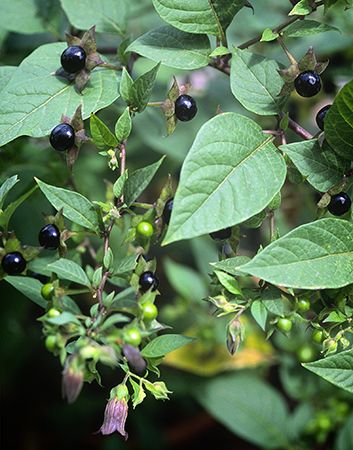
While the term “nightshade” is most commonly associated with the Solanum genus, it is important to note that the name is sometimes applied to plants in other genera, such as the deadly nightshade (Atropa belladonna), which belongs to the same family but is not part of the Solanum genus.2
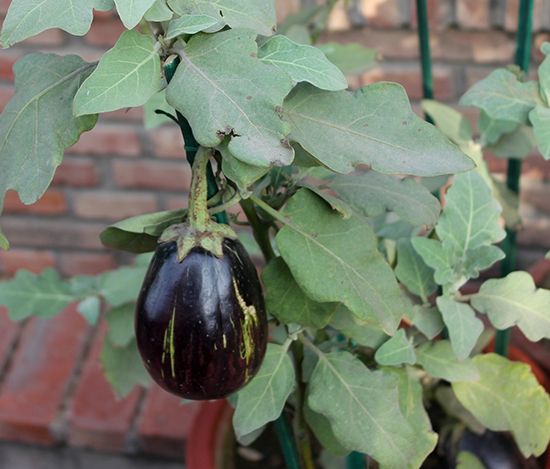
What are the main characteristics of plants in the nightshade genus?
Plants in the Solanum genus, commonly known as nightshades, exhibit a diverse range of characteristics as annuals or perennials that vary in size from small herbs to small trees.13
Key physical and biological traits include:
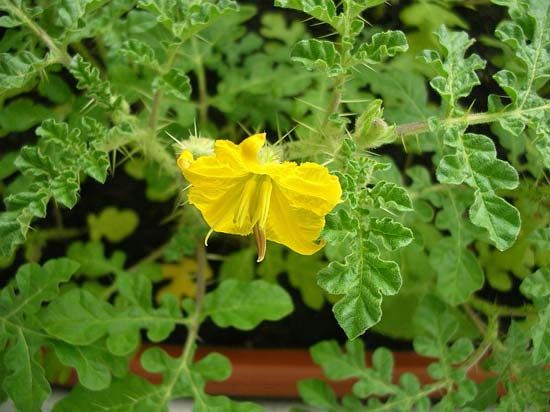
- Leaves: These are arranged alternately along the stem and can be simple or pinnately compound. They often feature glandular or nonglandular trichomes (plant hairs), and in some species, the stems and leaves are armed with prickles.3
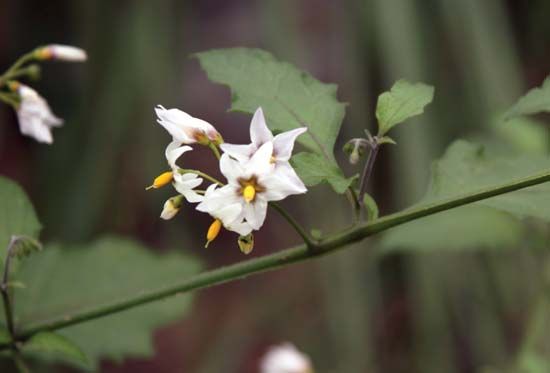
- Flowers: The flowers typically consist of five petals that are often fused together. They are usually white, yellow, or purple and are borne in clusters. Unlike many other members of the Solanaceae family, Solanum species generally do not produce nectar; instead, they often rely on “buzz pollination,” where bees vibrate their flight muscles to release pollen from the anthers’ terminal pores.32
- Fruit: The fruit of the Solanum genus is a berry.13
- Chemical Properties: Many species contain poisonous alkaloids, such as solanine, which can be toxic if ingested.13
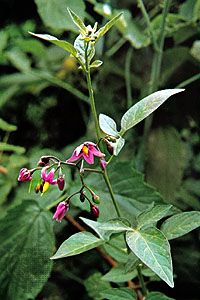
Are all nightshade plants poisonous, and if so, to what extent?
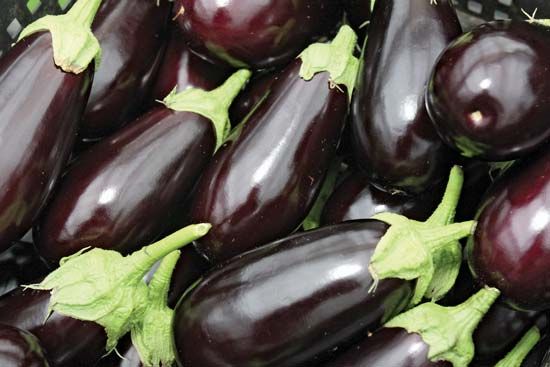
Not all plants in the nightshade family (Solanaceae) are poisonous; in fact, the family includes several globally significant food crops, such as potatoes, tomatoes, eggplants, and various peppers.221
The confusion often arises because the family is named for its toxic members, which contain poisonous alkaloids like solanine, atropine, and scopolamine. The extent of toxicity varies significantly by species:425
- Highly Toxic: Plants like deadly nightshade (Atropa belladonna), jimsonweed, and henbane are dangerous to humans and animals, as ingestion can lead to severe symptoms including paralysis, convulsions, and death.4256
- Variable Toxicity: Some species, such as black nightshade (Solanum nigrum), are generally considered poisonous, yet their fully ripened fruit and foliage are safely consumed in some cultures after proper cooking.46
- Edible Crops: While common food crops are safe to eat, they still belong to the same family and may contain trace amounts of alkaloids, particularly in non-edible parts like leaves or stems, or if the plant is improperly stored or handled.42
How have nightshade plants been used historically in medicine and folklore?
Historically, plants in the Solanaceae family have occupied a complex role in human culture, serving as both essential medicines and tools of folklore and witchcraft.8
Medicinal Uses
Many nightshades are rich in potent alkaloids, such as atropine, hyoscyamine, and scopolamine. Historically, these compounds have been utilized for their sedative, stimulant, and antispasmodic properties. For example, belladonna has been processed into ointments and drugs for various therapeutic applications. Similarly, the mandrake was used for centuries as an anesthetic and a hallucinogen. Today, these alkaloids remain medically significant, with atropine serving as a muscle relaxant and an antidote for nerve gas poisoning.987
Folklore and Witchcraft
Due to their psychoactive and toxic nature, several nightshades were historically implicated in witchcraft practices across medieval Europe and South America. The mandrake was particularly noted in folklore for its thick, tuberous roots that resemble the human form. Additionally, plants like jimsonweed have a long history of causing accidental intoxication, such as the 1676 incident in Jamestown where soldiers experienced prolonged hallucinations after consuming the plant.8
Sources
- Solanaceae — Encyclopædia Britannica
- Nightshade — Encyclopædia Britannica
- Solanales - Family characteristics — Encyclopædia Britannica
- 7 of the World’s Deadliest Plants — Encyclopædia Britannica
- poison - Plant poisons (phytotoxins) — Encyclopædia Britannica
- alkaloid — Encyclopædia Britannica
- list of plants in the family Solanaceae — Encyclopædia Britannica
- belladonna — Encyclopædia Britannica
- Solanales - Solanaceae — Encyclopædia Britannica
- belladonna ointment — Merriam-Webster
- nightshade — Merriam-Webster
Published on · 3 min read