Eggplant
The eggplant (Solanum melongena) is a tender perennial plant belonging to the nightshade family, known as Solanaceae. While it is often cultivated as an…
What is the botanical classification of eggplant and where did it originate?
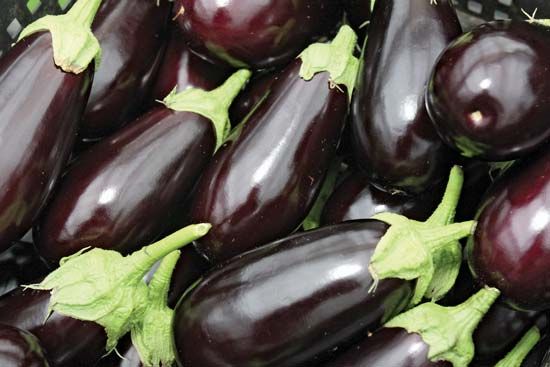
The eggplant (Solanum melongena) is a tender perennial plant belonging to the nightshade family, known as Solanaceae. While it is often cultivated as an annual, it is botanically classified within the same genus as the tomato and the potato.1
Regarding its origins, the eggplant was domesticated from a group of spiny Solanum species native to tropical Southeast Asia, where it has been cultivated since remote antiquity. The common name “eggplant” originated in the 18th century, derived from early European cultivars that produced small, white, oval-shaped fruits resembling hens’ eggs.123
How is eggplant cultivated, and what are its growing requirements?
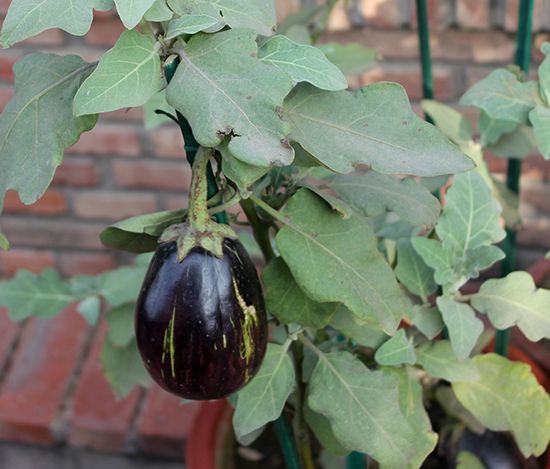
Eggplant (Solanum melongena) is a tender perennial that is typically cultivated as an annual plant. Because it is native to tropical Southeast Asia, it requires a warm climate to thrive and produce its edible fruit.1
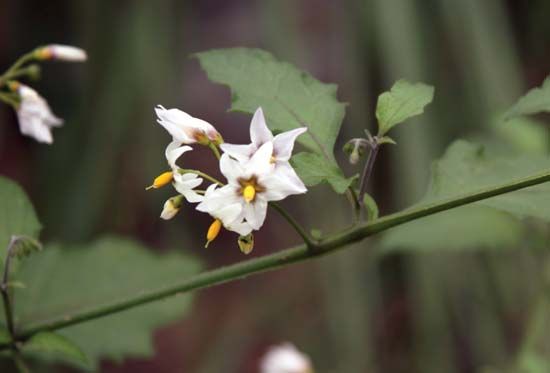
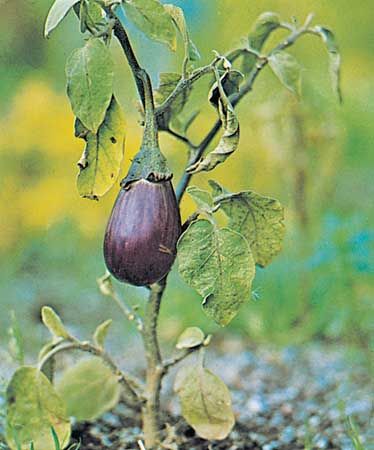
The plant features an erect, bushy stem that may be armed with spines and produces large, ovate leaves. During the growing season, it develops solitary, pendant violet flowers that measure approximately 5 cm (2 inches) across. As a member of the Solanaceae family, it shares similar environmental needs with its close relatives, the tomato and the potato.1
How is eggplant used in various cuisines around the world?
Eggplant is a highly versatile ingredient celebrated globally for its ability to be baked, grilled, fried, or boiled. It serves as a staple in many culinary traditions, particularly across the Mediterranean and the Middle East.41
Regional Culinary Uses
- Middle Eastern & North African: The vegetable is a key component of the region’s diverse array of appetizers. A notable example is baba ghanoush, a popular, seasoned eggplant dip.4
- Mediterranean: Eggplant features prominently in iconic dishes such as the Greek moussaka and the Italian eggplant parmigiana. It is also a primary ingredient in the French vegetable stew known as ratatouille.12
Beyond these specific preparations, the fruit is frequently utilized as a garnish or incorporated into various stews. Due to its mild flavor and unique texture, it remains a beloved vegetable in Greek cooking and is widely recognized by the name aubergine in British English, a term derived from the Arabic al-bādhinjān.12
What other plants belong to the nightshade family?
The Solanaceae family, commonly known as the nightshade or potato family, encompasses more than 100 genera and approximately 2,280 to 3,000 species. While the family is famous for several important food crops, it also includes various ornamental, pharmaceutical, and recreational plants.56
Economically Important Members
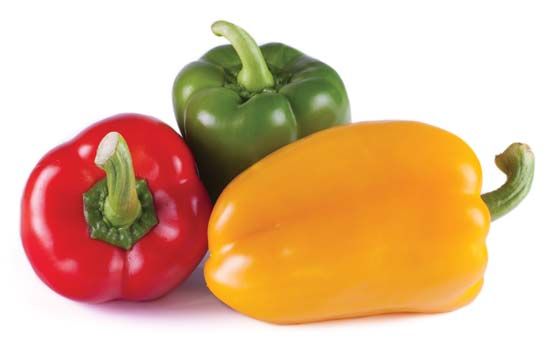
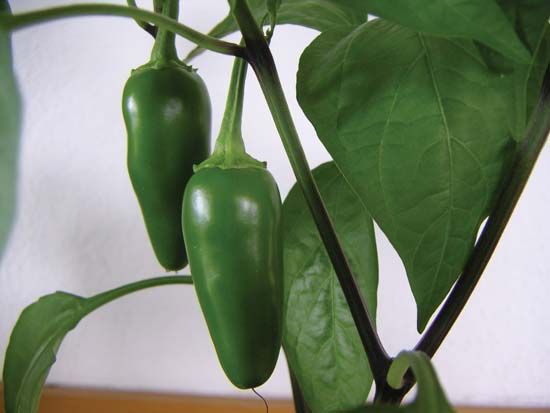
- Food Crops: Beyond eggplant, potato, and tomato, the family includes peppers (such as bell pepper, chili pepper, and cayenne pepper), tomatillo, and Cape gooseberry.56
- Pharmaceutical & Toxic Plants: This group includes belladonna, henbane, jimsonweed, and ashwagandha.56
- Ornamental & Recreational: Popular garden plants include petunia, angel’s trumpet, and datura, while tobacco is cultivated for recreational use.56
It is important to note that while many members are edible, others contain toxic alkaloids and can be dangerous if ingested.57
Sources
- Eggplant — Encyclopædia Britannica
- How 7 Common Fruits and Veggies Got Their Names | Eggplant — Merriam-Webster
- Solanales - Eggplant — Encyclopædia Britannica
- gastronomy - Middle Eastern — Encyclopædia Britannica
- list of plants in the family Solanaceae — Encyclopædia Britannica
- Solanales - Family characteristics — Encyclopædia Britannica
- Nightshade — Encyclopædia Britannica
- list of economically important members of the family Solanaceae — Encyclopædia Britannica
Published on · 2 min read