Nodosaurus
The Nodosaurus was a heavily armored dinosaur that reached an average length of approximately 5.5 meters (18 feet). As a member of the family Nodosauridae…
How large was an average Nodosaurus, and how does its size compare to other dinosaurs of its time?
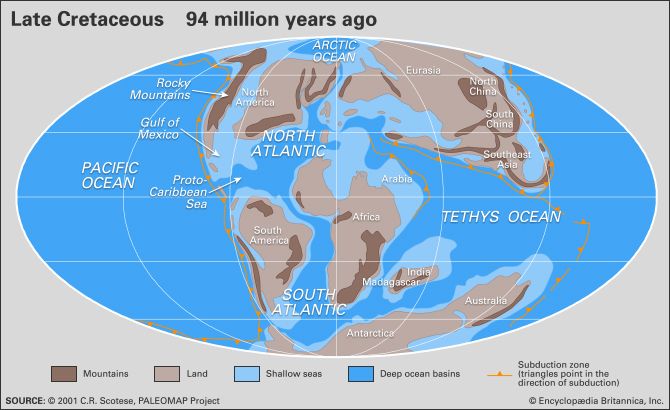
The Nodosaurus was a heavily armored dinosaur that reached an average length of approximately 5.5 meters (18 feet). As a member of the family Nodosauridae, it lived during the Late Cretaceous Period, roughly 95 to 90 million years ago.1
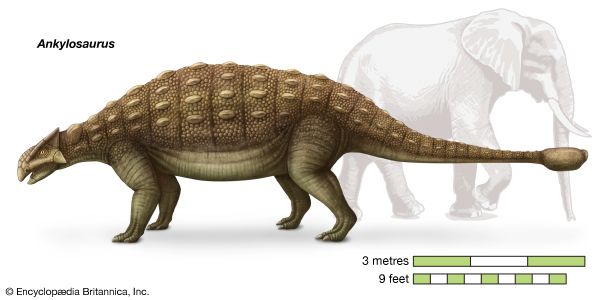
When compared to other dinosaurs of its time, the Nodosaurus was significantly smaller than many of its contemporaries. For instance, the related Ankylosaurus—which appeared later in the Cretaceous—could grow up to 10 meters (33 feet) in length and weigh about four tons. Furthermore, the Nodosaurus was dwarfed by the sauropods, which were the largest land animals to ever live; some species, such as Brachiosaurus, reached lengths of 30 meters and weighed up to 80 metric tons. Unlike the Ankylosaurus, the Nodosaurus lacked a defensive tail club, relying instead on its thick bony plates and knobs for protection.231
What does the name ‘Nodosaurus’ mean, and how does it relate to the dinosaur’s appearance?
The name Nodosaurus is derived from the Latin word nodus, meaning “node” or “knot,” combined with the New Latin suffix -saurus, meaning “lizard.”5
This name directly describes the dinosaur’s distinctive physical appearance. Nodosaurus was a heavily armored creature protected by a thick coat of bony plates and knobs that covered its back. These protruding, knot-like structures served as its primary defense against predators, as the animal lacked the defensive tail club found in other armored groups like the ankylosaurids. Because of this rugged, knobby exterior, the genus is sometimes described as resembling a gigantic, armored version of a horned toad.15
How does Nodosaurus differ from other armored dinosaurs?
Nodosaurus belongs to the group of armored dinosaurs known as Ankylosauria, but it differs from the more advanced Ankylosauridae in several key anatomical ways:
- Tail Structure: The most significant difference is that Nodosaurus and other nodosaurs lacked the massive, bony tail club found in ankylosaurids, which those animals used as a defensive weapon.162
- Skull Morphology: Nodosaurid skulls were generally not as short or broad as those of ankylosaurids. Furthermore, while ankylosaurid skulls were often heavily encased in protective bony plates (scutes), the skulls of nodosaurs were not covered in this way.16
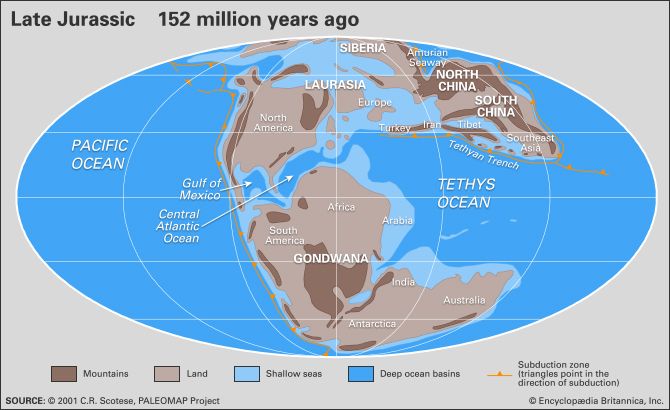
- Evolutionary Status: Nodosaurids are considered more primitive or basal than ankylosaurids. They appeared earlier in the fossil record, with ancestors dating back to the Middle Jurassic Period, whereas most ankylosaurids did not appear until the Late Cretaceous.16
- Armor Patterns: While both groups utilized extensive bony armor, the specific patterns of their plates and knobs differed, with ankylosaurids tending to have broader, more bone-encrusted features.62
What are the key characteristics of the Nodosaurus dinosaur genus?
The Nodosaurus genus represents a group of armored dinosaurs that inhabited North America during the Late Cretaceous Period, approximately 95 to 90 million years ago.1
Key characteristics of Nodosaurus include:
- Physical Build: These animals were heavy, reaching lengths of about 5.5 meters (18 feet). They possessed a strongly arched back, a long tail, and a quadrupedal stance with front legs that were notably smaller than their hind legs.1
- Armor: For defense, they relied on a thick coat of bony plates and knobs covering their backs. Unlike the more advanced Ankylosauridae, Nodosaurus lacked a bony tail club.16
- Skull and Brain: They featured a very small head with a minuscule brain. Their skulls were not as short or broad as those of ankylosaurids, nor were they covered in protective bony plates (scutes).16
- Locomotion: They were slow, graviportal animals with stout, columnar limbs and broad, hooflike terminal phalanges.6
As members of the Ankylosauria group, they are considered more primitive than ankylosaurids, with evolutionary roots tracing back to the Middle Jurassic.16
Sources
- Nodosaurus — Encyclopædia Britannica
- Ankylosaurus — Encyclopædia Britannica
- sauropod — Encyclopædia Britannica
- A Journey Through Time Since the Precambrian - Cretaceous Period: 145 million to 66 million years ago — Encyclopædia Britannica
- Nodosaurus — Merriam-Webster
- dinosaur - Ankylosauria — Encyclopædia Britannica
Published on · 3 min read