Nullarbor Plain
The Nullarbor Plain is a vast, remarkably flat limestone plateau that covers approximately 100,000 square miles (260,000 square km) across South Australia…
What is the geological history of the Nullarbor Plain, and how was it formed?
The Nullarbor Plain is a vast, remarkably flat limestone plateau that covers approximately 100,000 square miles (260,000 square km) across South Australia and Western Australia. Geologically, the plain is largely coincident with the Eucla Basin.12
The region is characterized as a karst landscape, meaning its surface and subsurface have been shaped by the dissolution of soluble bedrock, primarily limestone. This process has resulted in the formation of numerous limestone caves, such as Koonalda Cave, which serve as significant archaeological sites.12
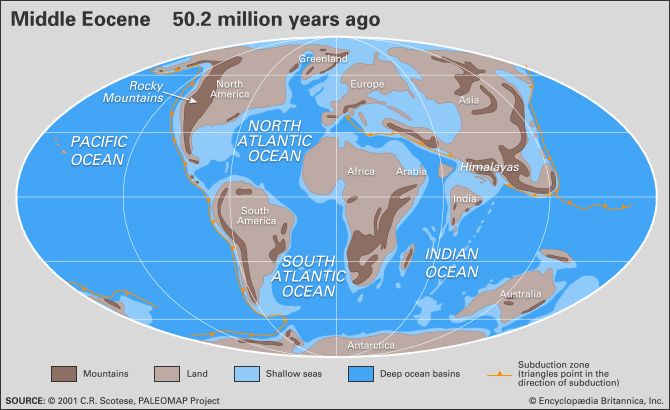
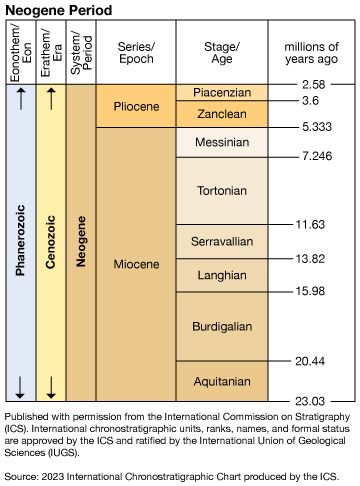
While the plain is currently an arid environment, geological evidence indicates that the region has experienced varied climatic conditions in the past. Remnants of old stream networks found on the plain suggest that it was once subject to different drainage patterns and wetter climates during the Paleogene and Neogene periods. Today, the plain remains one of the flattest surfaces on Earth, a feature so pronounced that a section of the Trans-Australian Railway runs in a perfectly straight line for roughly 300 miles (500 km).2
What is the meaning of the name ‘Nullarbor’ and how does it relate to the landscape?
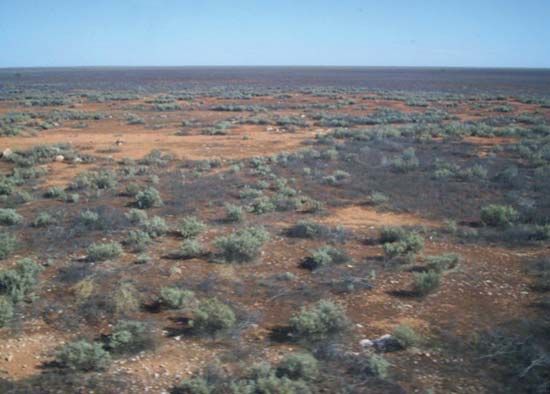
The name “Nullarbor” is derived from the Latin words Noneus and arbor, which translate to “no tree.” This name is a direct reflection of the landscape, which is a vast, arid limestone plateau characterized by a lack of significant forest cover.31
Instead of trees, the vegetation on the Nullarbor Plain consists primarily of saltbush and blue bush, with occasional grasses and flowers that emerge following rare winter rains. This treeless, generally flat surface spans approximately 100,000 square miles, creating an expansive, open environment that is famously traversed by the world’s longest stretch of straight railroad track.31
What are some of the cultural and historical significance of the Nullarbor Plain to Indigenous Australians?
The Nullarbor Plain holds profound historical and cultural significance for Indigenous Australians, who have inhabited the region for tens of thousands of years. Archaeological evidence, such as findings at Koonalda Cave, confirms that human life was present in the area approximately 34,000 years ago, demonstrating a long-standing connection to this landscape.14
For Aboriginal peoples, the land is deeply integrated into their worldview, centered on “the Dreaming.” This complex concept encompasses the creative era when mythic beings shaped the terrain, flora, and fauna, establishing the rules for social life and spiritual order. Diverse features of the landscape serve as tangible proof of these creative powers, binding the physical and spiritual realms together through myths, rituals, and dances.5
Historically, Indigenous groups maintained extensive trade networks across the continent, including routes that spanned vast distances to connect different populations. While European colonization later devastated many communities through land confiscation and disease, recent decades have seen significant progress in the recognition of Indigenous land rights. These successes represent a growing national recognition of the moral imperative to respect the deep, ancestral ties that Aboriginal communities maintain with their traditional territories.467
What role does the Nullarbor Plain play in Australia’s eco-tourism industry?
The Nullarbor Plain serves as a significant destination within Australia’s eco-tourism industry, drawing visitors interested in its unique geological features, vast landscapes, and specialized flora and fauna.
Key aspects of its role in eco-tourism include:
- Natural Preservation: The Nullarbor National Park plays a vital role in protecting the region’s rare vegetation and wildlife, providing a controlled environment for visitors to experience the arid ecosystem.1
- Geological and Archaeological Interest: The plain is renowned for its extensive limestone cave systems, including Koonalda Cave. These sites are of significant interest to eco-tourists and researchers alike, as they contain some of the oldest dated evidence of human habitation in Australia.19
- Scenic Landscapes: The dramatic meeting of the flat, treeless plateau with the ocean at the Great Australian Bight creates a spectacular line of cliffs that serves as a major draw for travelers.19
- Accessibility: While remote, the area is traversed by the Eyre Highway, which facilitates tourism across the region, allowing travelers to experience the vast, open expanse of the Australian interior.1
Sources
- Nullarbor Plain — Encyclopædia Britannica
- Australia - The Western Plateau — Encyclopædia Britannica
- Nullarbor Plain — Merriam-Webster
- South Australia - The period before British colonization — Encyclopædia Britannica
- Australian Aboriginal peoples - Traditional sociocultural patterns — Encyclopædia Britannica
- Western Australia - Soils — Encyclopædia Britannica
- Colonization of Australia - Northern Territory — Encyclopædia Britannica
- Australia - Rural settlement — Encyclopædia Britannica
- Western Australia - Plant and animal life — Encyclopædia Britannica
- South Australia - Relief — Encyclopædia Britannica
- Australia - Land of Australia — Encyclopædia Britannica
Published on · 3 min read