Ob River
The Ob River is a major waterway in central Russia that flows north and west across western Siberia. It originates in the foothills of the Altai Mountains at…
What is the geographical location and course of the Ob River in Russia?
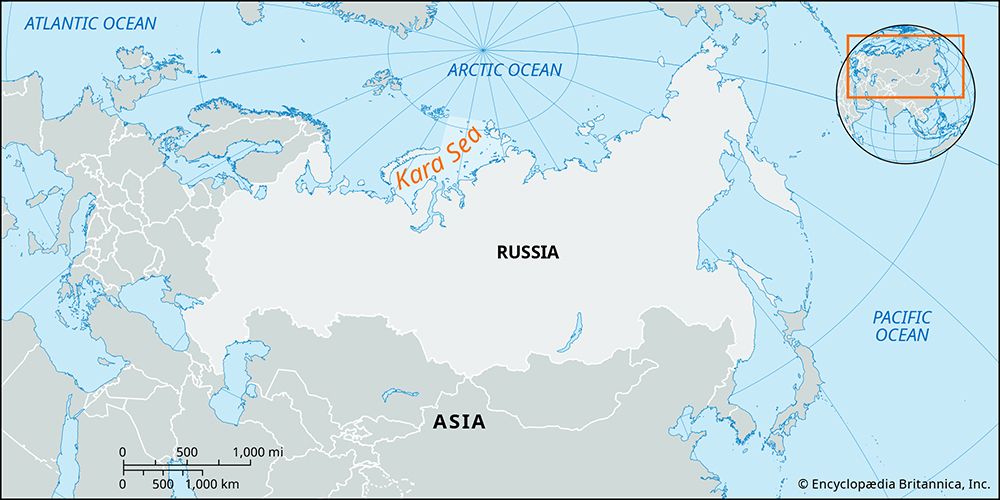
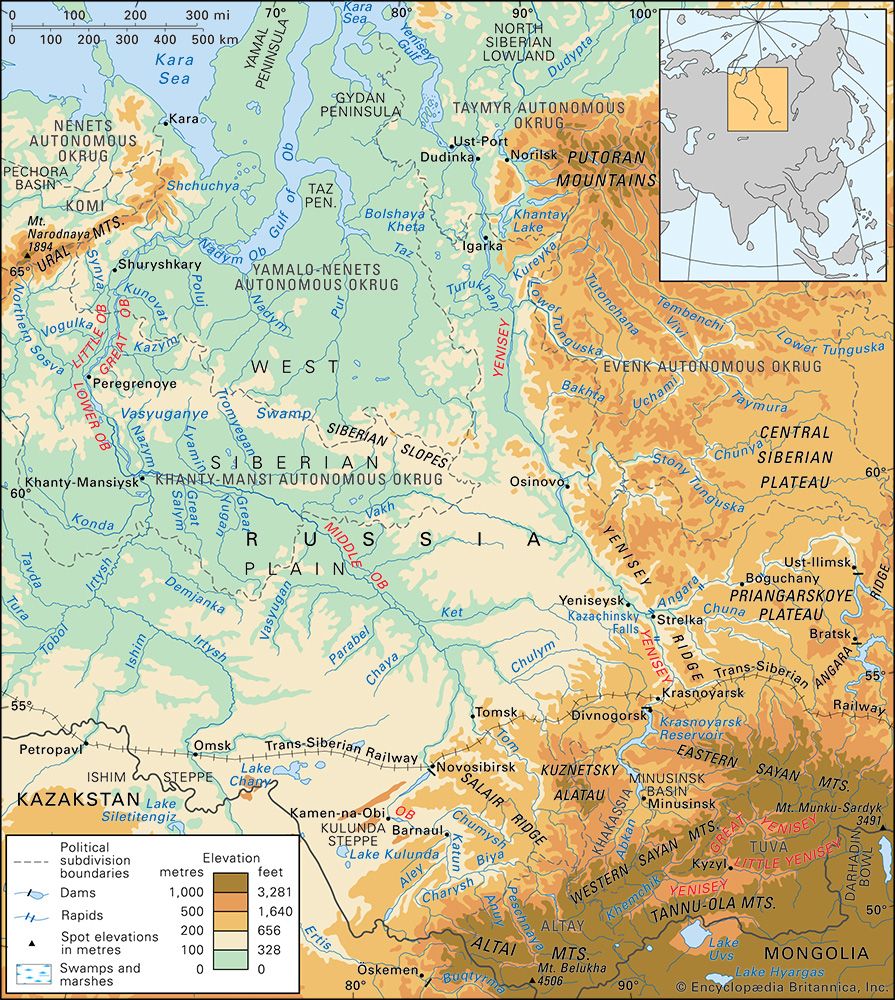
The Ob River is a major waterway in central Russia that flows north and west across western Siberia. It originates in the foothills of the Altai Mountains at the confluence of the Biya and Katun rivers and eventually discharges into the Kara Sea via the Gulf of Ob.12
The river’s course is divided into three sections:
- Upper Ob: Extends from the Biya-Katun junction to the confluence with the Tom River. It flows through varied terrain, including the Novosibirsk Reservoir.2
- Middle Ob: Runs from the Tom confluence to the junction with the Irtysh River at Khanty-Mansiysk. This section traverses the taiga zone.2
- Lower Ob: Continues from the Irtysh confluence to the Gulf of Ob, passing through the tundra zone and forming a delta.2
How does the Ob River affect the climate of the surrounding regions?
The Ob River does not fundamentally alter the climate of its surrounding regions; rather, the river’s hydrological behavior is a direct consequence of the diverse climatic zones through which it flows. The Ob basin spans a vast range of environments, from semidesert and steppe in the south to taiga and tundra in the north, each dictating the river’s seasonal patterns.42
The climate of the region is characterized by short, warm summers and long, harsh winters. These conditions create distinct hydrological phases:
- Freezing and Thawing: The river remains frozen for 150 to 220 days annually. The timing of ice formation and the subsequent spring thaw—which triggers significant ice jams—is governed by the regional temperature gradient.4
- Seasonal Flooding: The river’s water levels are driven by snowmelt and rainfall. Spring floods occur as snow melts across the plains and the Altai Mountains, with high-water levels often persisting for months in the lower reaches as the water moves toward the Kara Sea.4
What is the historical and economic importance of the Ob River to Russia?
The Ob River is a vital artery for Russia, serving as a cornerstone for both historical expansion and modern economic development in western Siberia.
Historical Significance
Russian interest in the Ob basin began in the late 16th century. The Cossack explorer Yermak led expeditions between 1581 and 1585 that brought the region under the control of the tsar. This era saw the establishment of key settlements, including Tyumen, Tobolsk, and Tomsk, which served as foundations for further exploration and integration into the Russian state. Scientific investigation followed, notably during the Great Northern Expedition (1733–42).3
Economic Importance
The Ob basin is a powerhouse of the Russian economy:
- Energy: The middle and lower reaches contain the nation’s most critical oil and natural gas fields, producing approximately two-thirds of Russia’s total output.1
- Agriculture and Industry: The southern steppe is a major producer of spring wheat, while cities like Novosibirsk and Barnaul are significant industrial hubs.1
- Transportation and Power: The river is a major shipping route connected to the northern sea route. Additionally, its hydroelectric potential is immense, with major stations supporting regional infrastructure.1
How do the indigenous peoples of Siberia interact with and depend on the Ob River?
The Ob River basin is home to diverse indigenous peoples, including the Khanty, Mansi, Nenets, Selkup, and others, who have historically relied on the river for their subsistence and cultural identity.67
Subsistence and Economy
The river serves as a primary source of food and resources. Traditionally, these groups have engaged in:
- Fishing: Using nets, weirs, and traps to harvest various species, including sturgeon and whitefish.71
- Hunting and Trapping: Targeting fur-bearing mammals such as mink, ermine, and beaver, as well as game like elk and waterfowl.71
- Reindeer Herding: Particularly among the Khanty and Nenets, this practice developed as a vital secondary occupation.7
Lifestyle and Adaptation
The environment of the Ob basin is severe, characterized by long winters and extensive summer flooding. Indigenous groups adapted by adopting semi-nomadic or settled lifestyles, utilizing wooden huts for winter and tents for summer hunting sites. Transportation was historically facilitated by boats, skis, and sleds drawn by reindeer or horses.7
Under Soviet administration, these traditional practices were largely integrated into collective farms, which introduced new activities such as animal husbandry and agriculture alongside traditional hunting and fishing.7
Sources
- Ob River — Encyclopædia Britannica
- Ob River - Physiography — Encyclopædia Britannica
- Ob River - Economy — Encyclopædia Britannica
- Ob River - Climate and hydrology — Encyclopædia Britannica
- Ob River - Study and exploration — Encyclopædia Britannica
- Ob River - People of the Ob River — Encyclopædia Britannica
- Khanty and Mansi — Encyclopædia Britannica
- Ob River - Plant and animal life — Encyclopædia Britannica
Published on · 3 min read