Orangutan
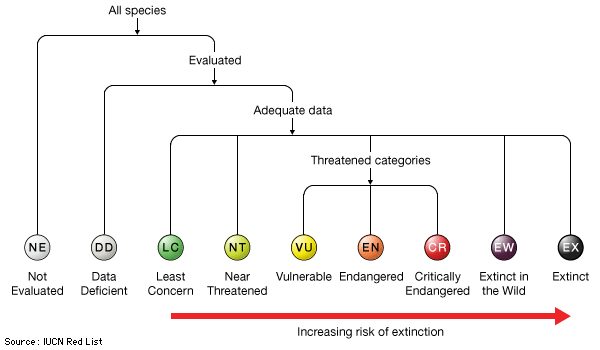
Orangutans are currently classified as critically endangered species due to several severe threats to their survival in the wild. The primary challenges they…
What are the main threats to orangutan survival in the wild?
Orangutans are currently classified as critically endangered species due to several severe threats to their survival in the wild. The primary challenges they face include:12
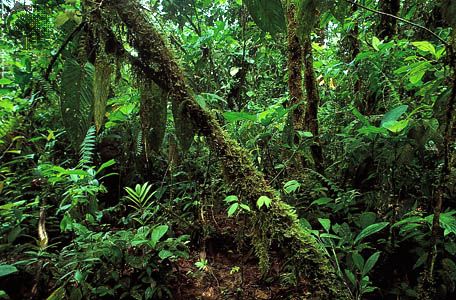
- Habitat Loss and Fragmentation: The destruction of rainforests in Borneo and Sumatra is the most significant threat. Forests are frequently cleared for oil palm plantations, human settlements, timber estates, and road construction. This deforestation fragments their environment, isolating populations and making it difficult for them to find food and mates.234
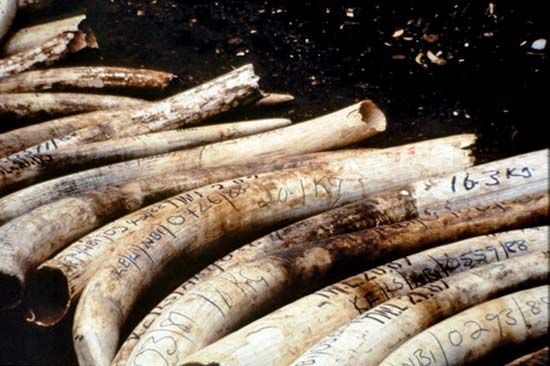
- Poaching and Hunting: Orangutans are frequently targeted by poaching and hunting, which have contributed significantly to population declines.12
- Illegal Trade: The capture of individuals for the exotic pet trade remains a persistent threat to the species.52
- Environmental Factors: The use of slash-and-burn agricultural methods often leads to uncontrolled forest fires, which further destroy the arboreal habitats that orangutans rely on for survival.234
These combined pressures have placed wild orangutans at risk of future extinction.1
What are some unique adaptations orangutans have developed for their arboreal lifestyle?
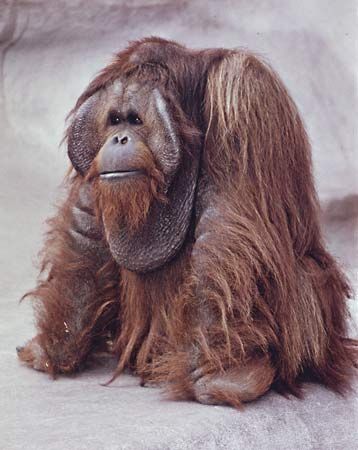
Orangutans are the largest arboreal animals, spending over 90 percent of their waking hours in the trees. To thrive in this environment, they have developed several specialized physical and behavioral adaptations:
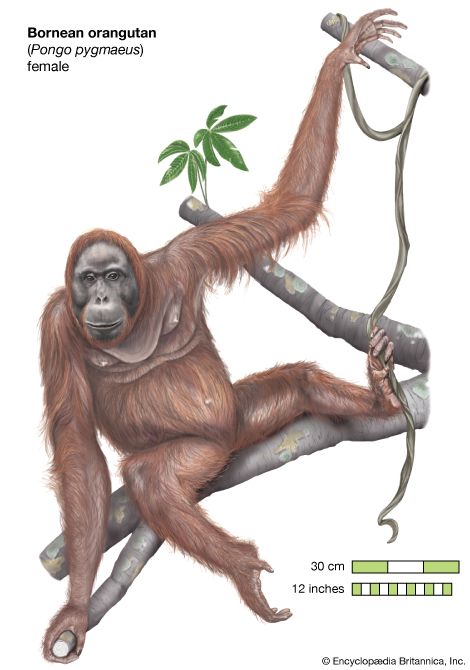
- Limb Structure: Orangutans possess proportionately the longest arms of any great ape, which facilitates movement through the canopy. They also have flexible hip joints that allow for a similar range of motion in their legs as in their arms, providing greater agility when navigating branches.6
- Grasping Extremities: Their hands are hooklike with long fingers and short thumbs, while their feet feature opposable big toes that function similarly to thumbs. This anatomy allows them to securely grasp branches while climbing or moving through the forest.6
- Locomotion: While they typically scramble through the canopy using all four limbs, they are also capable of brachiation—swinging through the trees using only their arms.6
- Environmental Interaction: To manage life in the canopy, they construct sleeping platforms each night by bending and breaking branches and twigs. They also frequently use vegetation as a protective covering to shield themselves from rain.6
How closely related are orangutans to humans genetically?
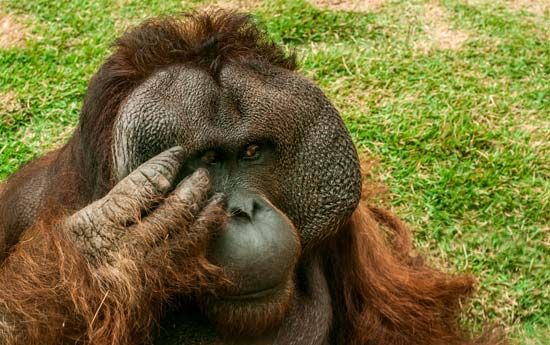
Orangutans are members of the family Hominidae, which also includes humans, gorillas, chimpanzees, and bonobos. While all these great apes share a common ancestry, orangutans are not as closely related to humans as African apes are.1011
Genetic and evolutionary studies indicate that chimpanzees and bonobos are the primates most closely related to humans. Within the family Hominidae, humans, chimpanzees, and gorillas are grouped together in the subfamily Homininae, whereas orangutans are placed in their own distinct subfamily, Ponginae. This classification reflects the evolutionary divergence between these lineages; for instance, the ancestors of the orangutan lineage are associated with the fossil genus Sivapithecus, while the lineage leading to humans, chimpanzees, and gorillas is linked to the fossil genus Dryopithecus.11101
How intelligent are orangutans, and what tools or problem-solving abilities have they demonstrated?
Orangutans are highly intelligent primates, possessing cognitive abilities comparable to those of chimpanzees and gorillas. They are known for their deliberate and ingenious nature, particularly when manipulating mechanical objects in captivity.12
Their problem-solving and cognitive repertoire includes:
- Reasoning and Foresight: They demonstrate causal and logical reasoning, as well as the ability to plan for the future.12
- Self-Awareness: Orangutans have shown the ability to recognize themselves in mirrors.12
- Communication and Deception: They are capable of symbolic communication and have been observed using deception.12
- Tool Use and Production: While tool use is less frequent in the wild than in some other apes, Sumatran orangutans consistently manufacture and use tools for foraging. They defoliate sticks to extract honey or insects from tree holes and to pry seeds from hard-shelled fruit.12
- Medicinal Knowledge: In a significant display of problem-solving and self-care, Sumatran orangutans have been documented treating their own injuries using medicinal plants, marking the first known instance of wound care by a wild animal.12
Sources
- orangutan — Encyclopædia Britannica
- Falling Stars: 10 of the Most Famous Endangered Species — Encyclopædia Britannica
- Biruté Galdikas - The future of orangutans — Encyclopædia Britannica
- Oil palm — Encyclopædia Britannica
- Deforestation - Effects — Encyclopædia Britannica
- Orangutan or gorilla: Which is bigger? — Encyclopædia Britannica
- Locomotion - Climbing birds and mammals — Encyclopædia Britannica
- Locomotion - Brachiation — Encyclopædia Britannica
- Locomotion - Arboreal amphibians and reptiles — Encyclopædia Britannica
- ape — Encyclopædia Britannica
- Tertiary Period - Primates — Encyclopædia Britannica
- chimpanzee - Intelligence — Encyclopædia Britannica
Published on · 3 min read