Oil Spill
Oil spills cause severe, multifaceted damage to marine life and ecosystems by introducing toxic contaminants into the environment.
How do oil spills affect marine life and ecosystems?
Oil spills cause severe, multifaceted damage to marine life and ecosystems by introducing toxic contaminants into the environment.12
Physical and Physiological Impacts
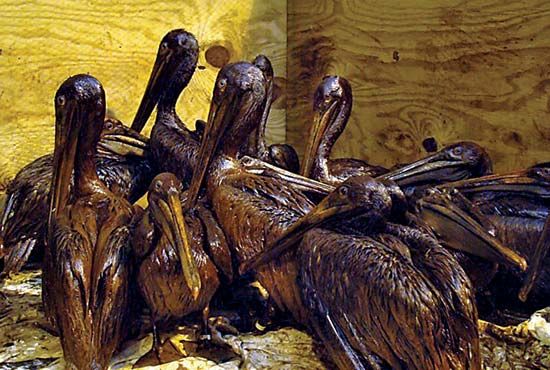
Oil on the ocean surface blocks sunlight and reduces dissolved oxygen levels, which are essential for aquatic life. For birds and marine mammals, crude oil destroys the insulating and waterproofing properties of feathers and fur, often leading to death by hypothermia. Animals that ingest oil while attempting to clean themselves or through their food sources suffer from toxicity, which can cause organ damage, reproductive failure, and heart defects in developing larvae.13
Ecosystem Disruption
- Habitats: Shoreline ecosystems like mangroves and saltwater marshes are particularly vulnerable. Seafloor areas coated in oil-related by-products can become “dead zones” where sedentary organisms suffocate.13
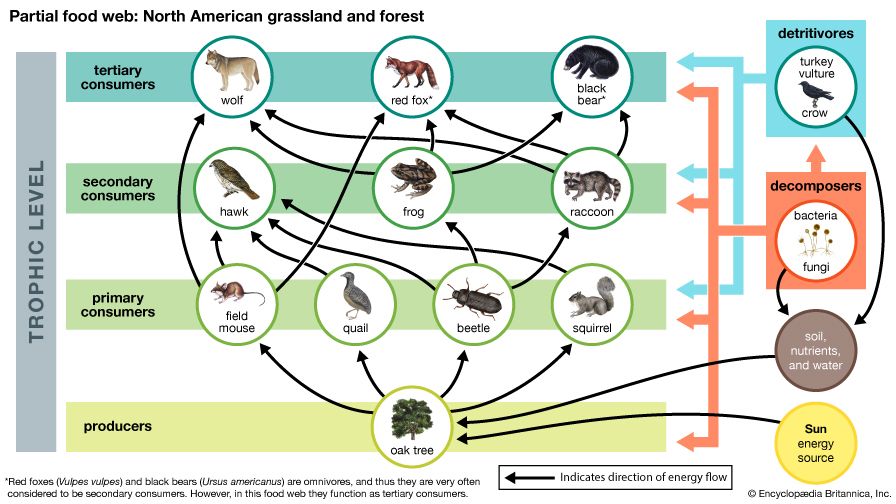
- Food Webs: Oil and chemical dispersants can be fatal to microorganisms like rotifers, which are foundational to marine food webs.3
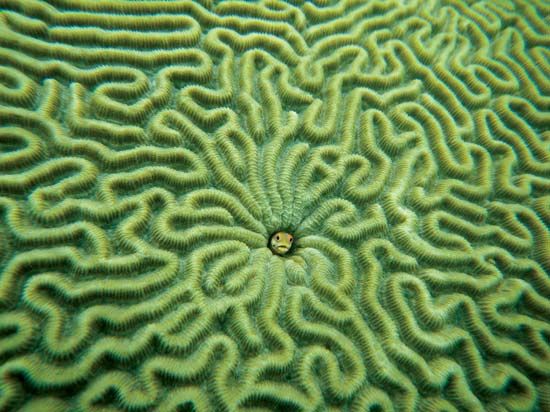
- Reproduction: Exposure to oil and dispersants has been shown to hinder coral reproduction and reduce the survival rates of coral larvae.3
The long-term ecological recovery of affected areas is often slow, as damage to habitats and reduced fertility rates can persist for years after the initial spill.13
What are the immediate environmental impacts of an oil spill?
Immediate environmental impacts of an oil spill are severe and multifaceted, causing significant damage to ecological systems.
Physical and Physiological Damage
Oil on the ocean surface blocks sunlight and reduces dissolved oxygen levels, which are critical for aquatic life. For birds and marine mammals, crude oil destroys the insulating and waterproofing properties of fur and feathers, often leading to death by hypothermia. Furthermore, animals that ingest oil—either while attempting to clean themselves or through contaminated food sources—suffer from toxicity, which can cause organ damage, heart defects in developing larvae, and reproductive failure.12
Ecosystem Disruption
- Habitats: Shoreline ecosystems, particularly saltwater marshes and mangroves, are highly vulnerable. Seafloor areas coated in oil by-products can become “dead zones” where sedentary organisms suffocate.12
- Food Webs: Exposure to oil and chemical dispersants can be fatal to microorganisms like rotifers, which are foundational to marine food webs.2
- Reproduction: Contamination hinders coral reproduction and reduces the survival rates of larvae, while also causing long-term fertility declines in species like dolphins.2
What are some of the most significant oil spills in history?
Throughout history, several oil spills have caused significant environmental and economic devastation. While some of the largest spills by volume occurred far from shore and resulted in minimal ecological damage, others have had profound, long-lasting impacts on marine life and coastal communities.
Notable Oil Spills in History
- The Persian Gulf War Oil Spill (1991): Considered the world’s largest known oil spill, this was an intentional act of war. During the Persian Gulf War, Iraqi forces released hundreds of millions of gallons of oil into the Persian Gulf to deter coalition forces from landing troops.6
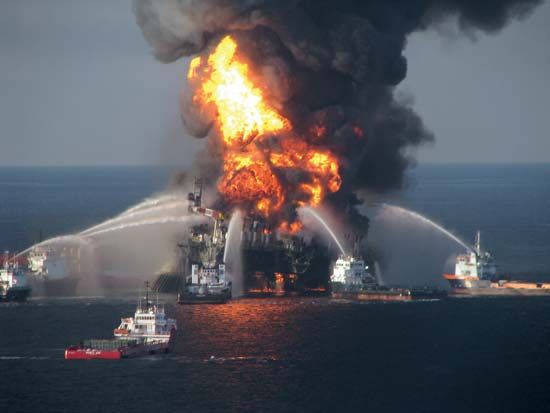
- Deepwater Horizon (2010): This disaster in the Gulf of Mexico resulted from a blowout at an offshore drilling rig. It caused widespread economic disruption to the Gulf Coast fishing and tourism industries and led to a long-term decline in animal abundance in deep-water habitats.7
- Amoco Cadiz (1978): Off the coast of Brittany, France, this tanker grounded and broke in two, spilling 223,000 metric tons of oil. It contaminated over 300 km of coastline and killed tens of thousands of birds and marine animals.8
- Torrey Canyon (1967): This disaster off Cornwall, England, involved the loss of 119,000 metric tons of crude oil. It is historically significant because the solvents used to disperse the oil were later found to be more harmful to the environment than the oil itself.8
- Exxon Valdez (1989): While smaller in volume than the largest tanker spills, this incident in Prince William Sound, Alaska, caused immense ecological damage, killing hundreds of thousands of seabirds and numerous marine mammals, including sea otters and harbor seals.98
Largest Oil-Tanker Spills by Volume
Rank
Ship Name
Year
Location
Spill Size (Metric Tons)
1
Atlantic Empress
1979
off Tobago, West Indies
287,000
2
ABT Summer
1991
off Angola
260,000
3
Castillo de Bellver
1983
off Saldanha Bay, South Africa
252,000
4
Amoco Cadiz
1978
off Brittany, France
223,000
5
Haven
1991
Genoa, Italy
144,000
How do oil spills impact human health and local economies?
Oil spills exert a profound toll on both human health and local economies, often creating long-term instability for coastal communities.
Economic Impacts
The economic consequences of an oil spill are immediate and far-reaching, particularly for industries that rely on marine resources.
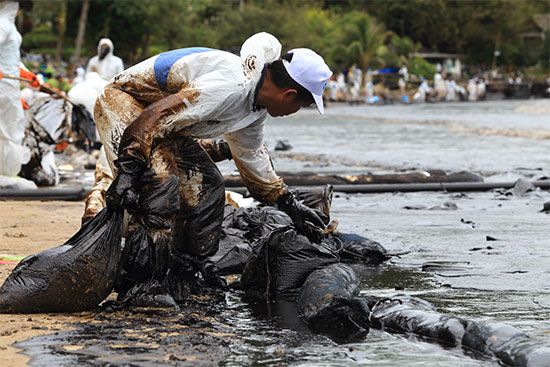
- Fishing Industry: Commercial fishing is frequently suspended following a spill to prevent the harvest of contaminated seafood and to protect vessels from damage. This leads to immediate income loss for fishers and supply chain disruptions.18
- Tourism and Commerce: Coastal areas often suffer as travelers avoid petroleum-sullied beaches. This decline in tourism impacts local businesses, hotels, and restaurants that depend on visitors.18
- Industrial Disruptions: Power plants and other utilities that draw from or discharge into seawater may face operational challenges, while moratoriums on offshore drilling can lead to significant temporary unemployment](https://www.britannica.com/technology/offshore-drilling) can lead to significant temporary unemployment.18
- Compensation and Costs: Companies responsible for spills often face massive financial liabilities, including billions of dollars in cleanup costs and compensation funds for affected residents and businesses.8
Human Health Considerations
While the primary focus of spill reporting is often ecological, the presence of toxic compounds like polycyclic aromatic hydrocarbons poses risks to human health through the consumption of contaminated seafood and exposure to pollutants in the environment.82
Sources
- oil spill - Oil-spill damage — Encyclopædia Britannica
- Deepwater Horizon oil spill - Environmental costs — Encyclopædia Britannica
- oil spill — Encyclopædia Britannica
- Coral bleaching — Encyclopædia Britannica
- water pollution: Top Questions — Encyclopædia Britannica
- 9 of the Biggest Oil Spills in History - The Persian Gulf War Oil Spill (1991) — Encyclopædia Britannica
- Exxon Valdez oil spill — Encyclopædia Britannica
- Deepwater Horizon oil spill - Aftermath and impact — Encyclopædia Britannica
- oil spill - Largest oil-tanker spills in history — Encyclopædia Britannica
Published on · 5 min read