Olt River
The Olt River holds significant historical and developmental importance in Romania. During the Roman occupation (1st century BCE to 2nd century CE), the…
What is the historical significance of the Olt River in Romanian culture and development?
The Olt River holds significant historical and developmental importance in Romania. During the Roman occupation (1st century BCE to 2nd century CE), the river served as a strategic boundary; the Romans constructed a line of fortifications known as the Limes Alutanus along its course, which functioned as the eastern frontier of Roman Dacia.1
Culturally, the river valley has been a site of spiritual and architectural heritage. Between the 14th and 18th centuries, numerous monasteries and hermitages were established along the Olt Defile, including the 14th-century Cozia Monastery, renowned for its frescoes, and the 17th-century Turnul Monastery, which features cells carved directly into the cliffs.1
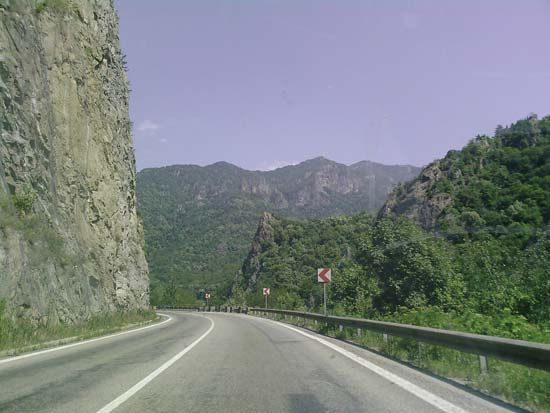
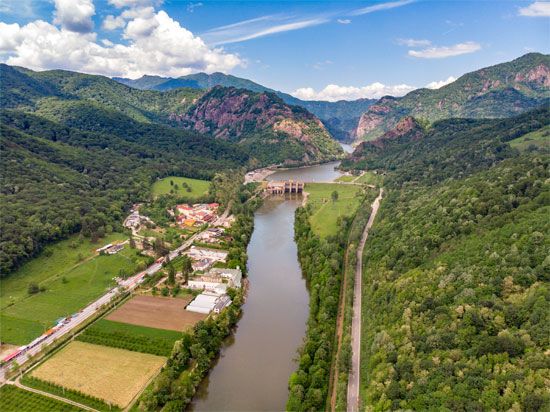
In terms of modern development, the Olt is one of Romania’s most significant rivers, contributing to the nation’s hydroelectric power capacity. Its course through the Transylvanian Alps provides a vital transportation corridor, hosting essential highway and railway connections between Sibiu and Râmnicu Vâlcea. Additionally, the river supports local economies through logging, agriculture, and the operation of various resorts and spas.2314
How does the Olt River contribute to Romania’s hydroelectric power generation?
The Olt River is a vital component of Romania’s hydroelectric power infrastructure. While Romania possesses significant theoretical hydroelectric potential, the actual development of this resource is limited by technical and economic factors, as well as seasonal fluctuations in river discharge.1
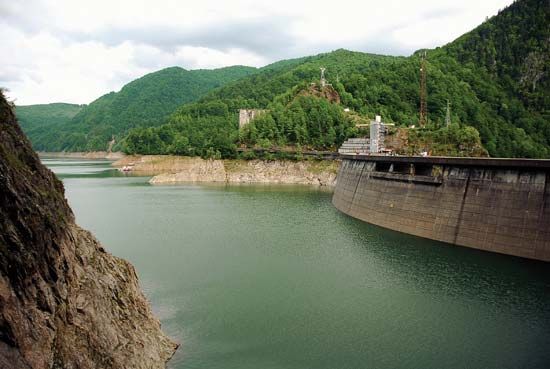
Since the 1940s, the Romanian government has prioritized the development of major river systems to harness this energy. The Olt is explicitly identified as one of the primary rivers targeted for these efforts, alongside other significant waterways such as the Argeș, Bistrița, Sebeș, Someș, and the Danube. The hydroelectric reserves of the country are geographically concentrated in the valleys of rivers that emerge from the mountain core, where the Olt’s path through the Transylvanian Alps provides a strategic location for such energy projects.12
What is the length of the Olt River, and how does it compare to other major rivers in Romania?
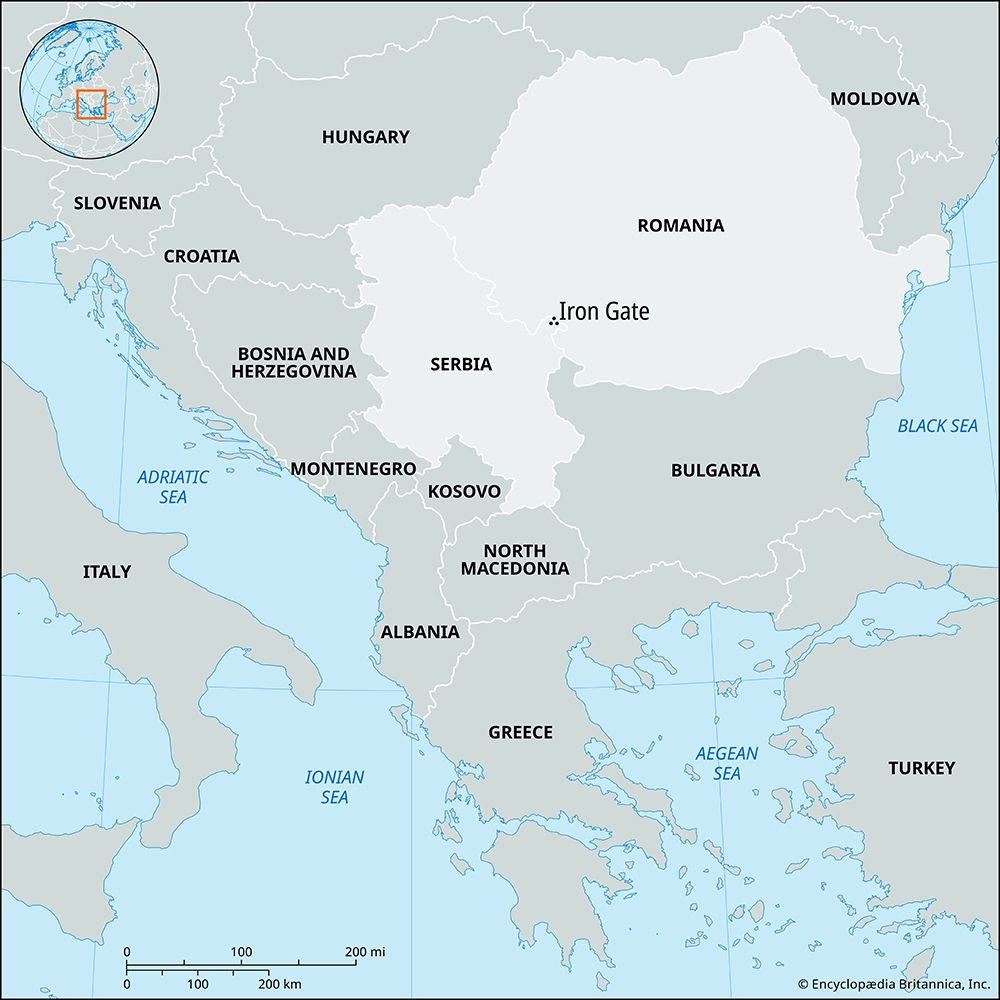
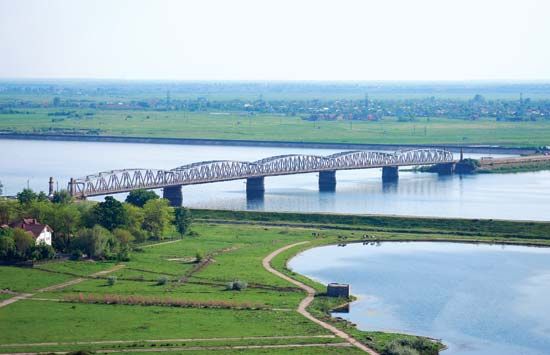
The Olt River flows for 420 miles (670 km) from its source in the Ciuc Depression to its confluence with the Danube River at Turnu-Măgurele.1
In the context of Romania’s hydrography, the Olt is recognized as one of the country’s most significant tributary rivers, alongside the Prut, Mureș, Siret, Ialomița, and Someș rivers. While the Olt is a major waterway, its length is slightly shorter than that of the Mureș River, which spans approximately 450 miles (725 km). Collectively, these rivers are essential to Romania’s drainage system, as they are all tributaries to the Danube, which serves as the primary collector of the nation’s surface water before it discharges into the Black Sea.27
What role did the Olt River play in ancient Roman times when the region was part of the Roman province of Dacia?
During the Roman occupation of Dacia, the Olt River served as a critical strategic corridor. The Romans constructed a road and a series of fortifications along the river, north of its confluence with the Danube River, to secure the region.3
This defensive line, known as the Limes Alutanus, functioned for a period as the eastern frontier of Roman Dacia. The military significance of this area is evidenced by the remains of Roman castra (forts) discovered in modern-day villages such as Boița, Călineni, and Călimănești. By utilizing the Olt Defile—a passage carved through the Transylvanian Alps—the Romans effectively controlled movement and maintained a defensive posture against external threats.3
Sources
- Olt River — Encyclopædia Britannica
- Romania - Drainage of Romania — Encyclopædia Britannica
- Olt Defile — Encyclopædia Britannica
- Olt — Merriam-Webster
- Olt — Encyclopædia Britannica
- Argeş River — Encyclopædia Britannica
- Mureş River — Encyclopædia Britannica
Published on · 3 min read