Oryx
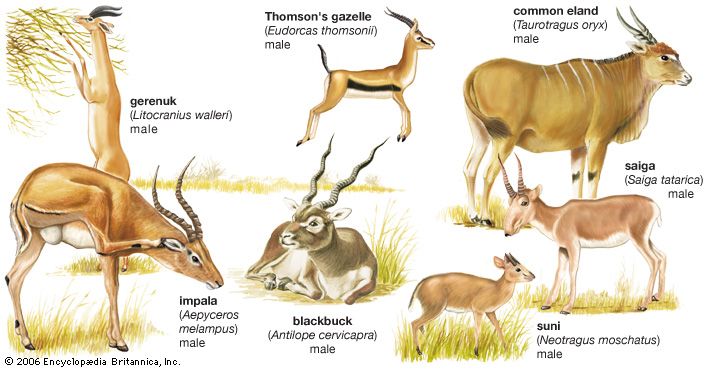
There are three primary species of oryx, which are large antelopes adapted to desert environments. They differ significantly in size, coloration, and horn…
What are the different species of oryx, and how do they differ from each other?
There are three primary species of oryx, which are large antelopes adapted to desert environments. They differ significantly in size, coloration, and horn shape:
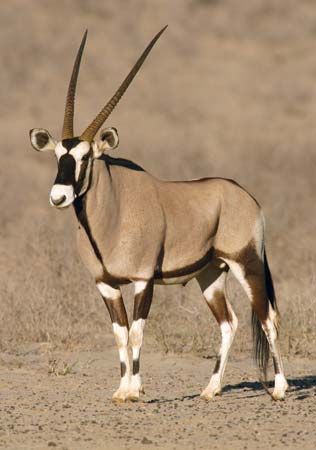
- Gemsbok (Oryx gazella): The largest species, standing up to 138 cm tall and weighing 238 kg. It features striking gray-brown fur with bold black and white facial and body markings and long, straight horns.1
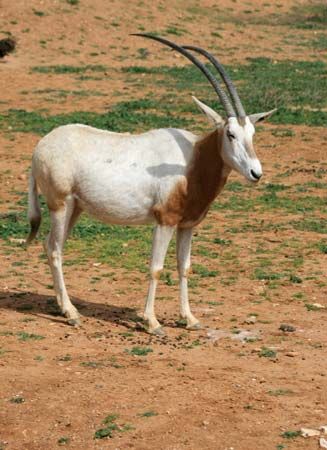
- Scimitar-horned oryx (O. dammah): A medium-sized species, standing 120 cm tall and weighing 200 kg. It is primarily white with a distinctive reddish-brown neck and chest.1
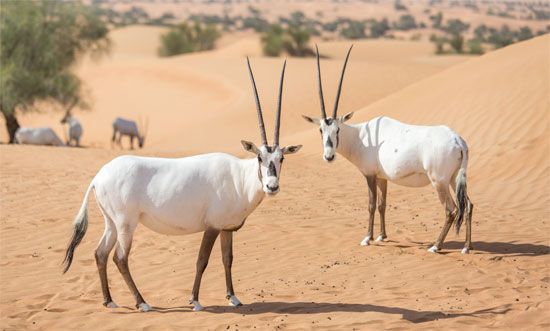
- Arabian oryx (O. leucoryx): The smallest species, standing 102 cm tall and weighing 75 kg. It has a whitish coat with only faint dark markings and possesses long, straight horns.1
While the gemsbok remains widespread in southern and eastern Africa, both the Arabian and scimitar-horned oryxes are endangered species that have faced severe population declines due to habitat loss and poaching.1
What is the social structure of oryx herds?
Oryxes possess a unique social organization specifically adapted to their nomadic existence in harsh desert environments. Because they often live in areas with low population density, they do not follow the typical antelope pattern of dispersing adolescent males; instead, their herds include adults of both sexes.1
Key aspects of their social structure include:
- Herd Composition: Herds can vary significantly in size, ranging from small groups of 10 to 40 animals to large aggregations of up to 300 individuals, such as those seen in the fringe-eared oryx.12
- Dominance Hierarchies: Males and females maintain separate dominance hierarchies within the herd.1
- Leadership: An alpha bull (or bulls) typically commands the movement of the herd and enforces submissive behaviour from members of both sexes.1
- Territoriality: While they are generally nomadic, some bulls will maintain individual territories in areas where resources like permanent water holes and grazing are consistently available.1
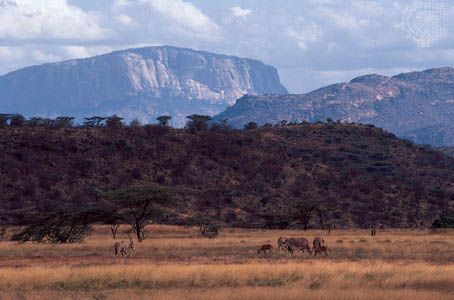
In which regions of the world can oryx species be found?
Oryx species are primarily found in the desert regions and dry plains of Africa and the Arabian Peninsula. Their specific geographic distributions are as follows:
- Gemsbok (Oryx gazella): This species is found in eastern and southern Africa. This includes the beisa and fringe-eared oryx, which range from the Horn of Africa south to Tanzania, and the gemsbok, which inhabits the Karoo region of South Africa and the Kalahari Desert.12
- Scimitar-horned oryx (O. dammah): Historically found throughout northern Africa, this species was restricted to the Sahel—the southern rim of the Sahara—by the early 1980s and is now considered extinct in the wild.1
- Arabian oryx (O. leucoryx): Once native to the deserts of the Sinai and Arabian peninsulas, this species was saved from extinction through captive breeding and has been reintroduced into areas such as Oman.1
We could dive deeper into the specific environmental adaptations that allow these animals to thrive in such arid landscapes.
How have oryx adapted to survive in harsh desert environments?
Oryxes have evolved several specialized strategies to survive in the arid, high-temperature environments of deserts and dry plains. Their adaptations encompass both behavioral and physiological mechanisms:
- Water Conservation: Oryxes are classified as coarse grazers that feed on grasses. To manage limited water availability, they energetically dig for water-storing roots and tubers. While they drink regularly when water is accessible, they possess the remarkable ability to survive without drinking for extended periods under harsh conditions.1
- Social Organization: Their unique social structure is an adaptation to low population density. Unlike many other social antelopes that disperse adolescent males, oryx herds include adults of both sexes. This allows them to maintain stable groups that can navigate nomadic, resource-scarce landscapes effectively.1
- Thermoregulation: As warm-blooded (endothermic) mammals, oryxes maintain a constant core body temperature through complex internal processes. They utilize thermoregulation to balance heat gain and loss, integrating signals from the brainstem and hypothalamus to trigger physiological responses—such as adjusting blood flow—that keep their body temperature within an optimal range despite extreme external heat.45
Sources
- oryx — Encyclopædia Britannica
- gemsbok — Encyclopædia Britannica
- artiodactyl - Social behaviour — Encyclopædia Britannica
- Thermoreception - Behaviour and thermoregulation — Encyclopædia Britannica
- Thermoregulation — Encyclopædia Britannica
Published on · 3 min read