Ozark Mountains
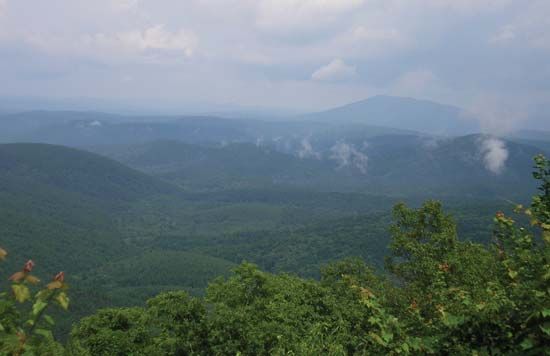
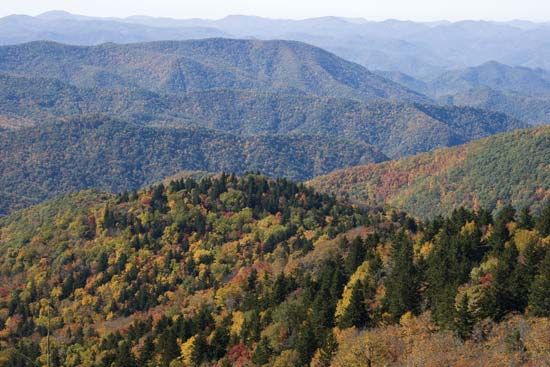
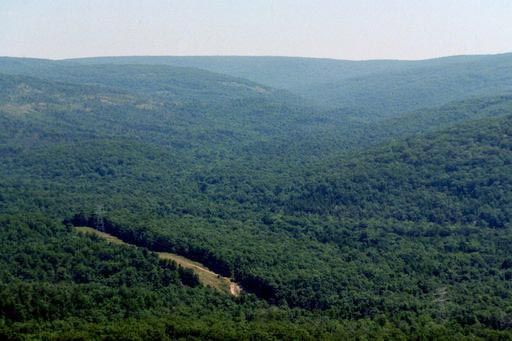
The Ozark Mountains, also known as the Ozark Plateau, are an eroded tableland region covering approximately 50,000 square miles in the south-central United…
What is the geological history of the Ozark Mountains?
The Ozark Mountains, also known as the Ozark Plateau, are an eroded tableland region covering approximately 50,000 square miles in the south-central United States. While the provided search results detail the geological formation of the adjacent Ouachita Mountains—which were shaped by the Ouachita orogeny during the late Paleozoic Era—the current knowledge base does not contain specific information regarding the distinct geological history or tectonic origins of the Ozark Mountains themselves.1234
The Ozarks are characterized by rugged topography, including underground streams and springs, and are distinct from the folded and faulted strata found in the nearby Ouachita range. Because the available data focuses on the Ouachita Geosyncline and the broader geography of the region, I cannot provide a detailed account of the Ozark Mountains’ specific geological development at this time.24
How do the Ozarks differ from other mountain ranges in the United States?
The Ozark Mountains—also known as the Ozark Plateau—are distinct from other major U.S. mountain ranges like the Appalachians and the Rockies primarily due to their unique geological structure and topography.1
Key Distinctions
- Geological Classification: Unlike the folded and faulted ridges characteristic of the adjacent Ouachita Mountains, the Ozarks are defined as an eroded tableland region.36
- Topography: The region features a mix of gently rolling landscapes, such as the Springfield and Salem plateaus, and more rugged, gorgelike valleys found in the Boston Mountains.46
- Hydrology: The area is noted for its extensive underground drainage systems, characterized by numerous limestone caves, springs, and underground streams, which are less prominent in the high-altitude, snow-capped peaks of the Rockies.16
- Regional Significance: Together with the Ouachitas, the Ozarks represent the only large area of rugged topography situated between the Appalachian and Rocky Mountain systems.1
How did the Ozark Mountains get their name?
The name “Ozark” is widely considered to be an anglicized corruption of the French phrase Aux Arcs.89
Historically, Aux Arcs was the name of a French trading post established among the Quapaw people in the 18th century, located near the area of present-day Arkansas Post. Etymologists believe the term evolved through a process of shortening and alteration from aux Arkansas (meaning “at the Quapaw”). Over time, the French designation for the post became associated with the surrounding highland region, eventually settling into the English spelling and pronunciation used today.819
Where are the Ozark Mountains located, and what states do they cover?
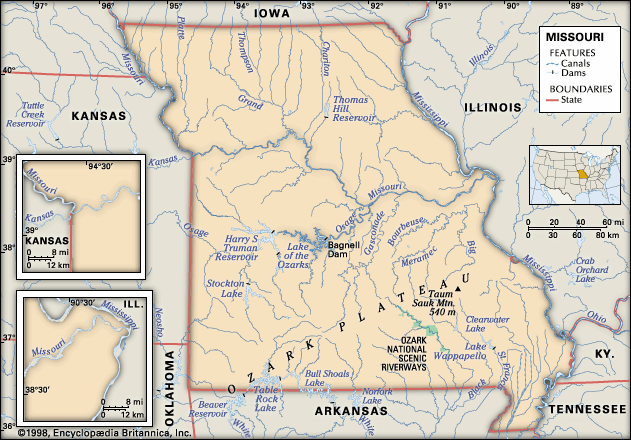
The Ozark Mountains, also known as the Ozark Plateau, are a heavily forested highland region located in the south-central United States.13
The region covers approximately 50,000 square miles and spans four states:
- Missouri: The largest portion, encompassing about 33,000 square miles.3
- Arkansas: Containing about 13,000 square miles, including the highest peaks in the Boston Mountains.3
- Oklahoma: The northeastern portion of the state.1
- Illinois: An eastern extension located in the southern part of the state.13
Additionally, the region extends into southeastern Kansas. Situated north of the Arkansas River, the Ozarks represent the only significant area of rugged topography found between the Appalachian Mountains and the Rocky Mountains.31
Sources
- Ozark Plateau — Merriam-Webster
- Ouachita Mountains — Encyclopædia Britannica
- Ozark Mountains — Encyclopædia Britannica
- Ouachita Geosyncline — Encyclopædia Britannica
- Ouachita orogeny — Encyclopædia Britannica
- Boston Mountains — Encyclopædia Britannica
- Arkansas - Relief, drainage, and soils — Encyclopædia Britannica
- Ozark — Merriam-Webster
- 10 U.S. State Name Spellings and Origins | Arkansas/Kansas — Merriam-Webster
- Ozarker — Merriam-Webster
Published on · 2 min read