Pansy
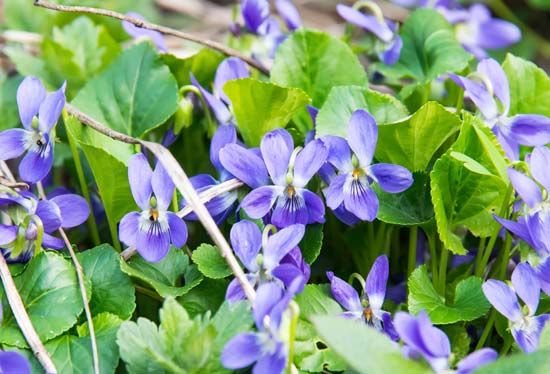
A pansy is any of several popular cultivated violets belonging to the genus Viola in the family Violaceae. These plants are typically annuals or short-lived…
What is pansy?
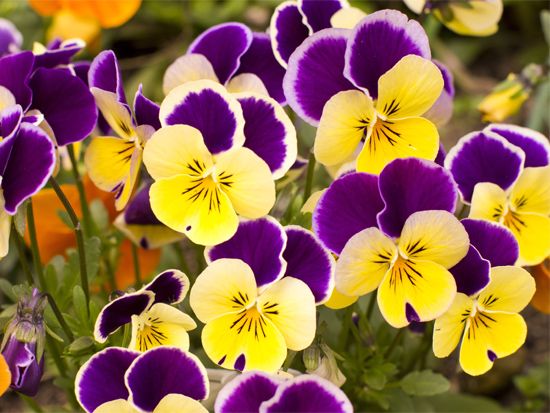
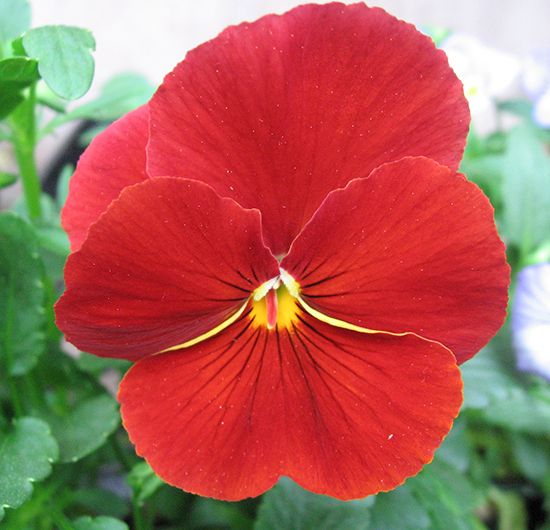
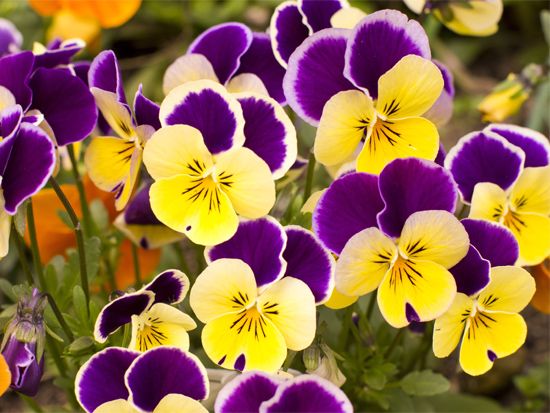
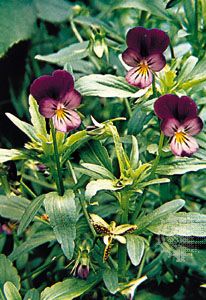
A pansy is any of several popular cultivated violets belonging to the genus Viola in the family Violaceae. These plants are typically annuals or short-lived perennials that grow 15 to 30 cm tall, featuring velvety flowers with five petals that often appear in combinations of blue, yellow, and white.12
The common garden pansy (Viola ×wittrockiana) is a hybrid resulting from long-term domestication, making its exact origin uncertain. Other notable forms include the tufted pansy (V. cornuta) and the wild pansy (V. tricolor), the latter of which is also known as Johnny-jump-up or heartsease.12
Interestingly, the name “pansy” is derived from the Middle French word pensée, meaning “thought,” which is etymologically related to the word “pensive” and the Latin pensare, meaning to ponder. These flowers thrive best in rich soil within damp, cool climates.31
How do pansies differ from other types of violets?
Pansies are a specific group of cultivated violets within the genus Viola, distinguished primarily by their history of domestication and physical appearance. While all pansies are violets, not all violets are pansies.13
Key differences include:
- Hybridization and Breeding: Pansies, particularly the common garden pansy (Viola ×wittrockiana), are complex hybrids developed through centuries of human cultivation. In contrast, many other violets are wild species, such as the common blue violet (Viola sororia) or the bird’s-foot violet (Viola pedata), which grow naturally in meadows and damp woods.13
- Appearance: Pansy flowers are typically larger, ranging from 2.5 to 5 cm across, and are known for their velvety texture and striking, often multicolored patterns—frequently in combinations of blue, yellow, and white. Other violets, such as the “sweet violet” (Viola odorata), often feature more uniform, solid colors.13
- Growth Habits: Many wild violets are known for having two types of flowers: showy spring blooms and less conspicuous, self-fertilizing flowers that appear in early summer. Pansies are primarily cultivated for their showy, ornamental flowers.314
What does the name ‘pansy’ reveal about its historical symbolism?
The name “pansy” is deeply rooted in the concept of reflection and intellectual contemplation. Derived from the Middle French word pensée, which means “thought,” the name traces back to the Latin pensare, meaning “to ponder.”27
Historically, this etymology links the flower to the state of being “pensive.” Because of this association with deep thought or remembrance, the flower was often used in the language of flowers to symbolize thoughtfulness or to represent a person’s memory of another.
It is important to note that while the term originated as a botanical descriptor in the 15th century, it has also been used historically as an offensive, disparaging slur against gay men or those perceived as effeminate. Using the term in such a manner is harmful and reinforces discriminatory attitudes; language should be used to foster respect rather than to demean individuals based on their identity or perceived traits.7
What are the best conditions for growing pansies in a garden?
To successfully grow pansies in a garden, it is essential to replicate their preferred environmental conditions. These plants thrive best in a cool, damp climate, which helps them maintain their health and vibrant appearance.1
When selecting a planting site, prioritize the following conditions:
- Soil Quality: Pansies require rich soil to support their growth as either annuals or short-lived perennials.1
- Climate: They are best suited for cooler temperatures. Providing a damp environment is crucial for their development.1
- Maintenance: While not explicitly detailed for pansies, general gardening best practices suggest maintaining good air circulation through proper spacing to prevent disease, and remaining vigilant against common pests like insects or mites.8
By ensuring the soil is nutrient-rich and the climate remains cool and moist, you provide the optimal foundation for these flowers to flourish.
Sources
- pansy — Encyclopædia Britannica
- Flower Etymologies For Your Spring Garden | Pansy — Merriam-Webster
- viola — Encyclopædia Britannica
- pansy violet — Merriam-Webster
- Violaceae — Merriam-Webster
- Malpighiales - Violaceae — Encyclopædia Britannica
- pansy — Merriam-Webster
- gardening - Control of pests and diseases — Encyclopædia Britannica
Published on · 3 min read