Zoysiagrass
Zoysiagrass (genus Zoysia) is a group of perennial, creeping grasses belonging to the family Poaceae. Native to southeastern Asia and New Zealand, these…
What is Zoysiagrass?
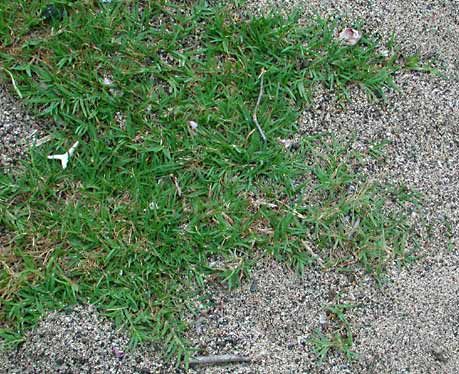
Zoysiagrass (genus Zoysia) is a group of perennial, creeping grasses belonging to the family Poaceae. Native to southeastern Asia and New Zealand, these grasses are well-regarded for their ability to provide excellent cover in flat, sandy, open areas and are frequently utilized as lawn grasses.1
These plants are low, sod-forming grasses that spread through strong, branching rhizomes (underground stems) or stolons. Their wiry leaves contain high levels of silica, and they produce minute flowers in dense, cylindrical inflorescences. Generally, these grasses are noted for being fairly resistant to pests and diseases.1
Several species, including Japanese lawngrass (Z. japonica), Manila grass (Z. matrella), and Mascarene grass (Z. tenuifolia), have been introduced to North America. These varieties are valued for their ability to tolerate diverse growing conditions, with Manila and Mascarene grasses specifically noted for their fine-bladed texture.1
How do rhizomes and stolons help grass spread?
Rhizomes and stolons are specialized horizontal stems that allow grasses to spread and reproduce asexually, a process known as vegetative reproduction.23
- Rhizomes are horizontal, typically subterranean stems that feature nodes with reduced leaves and adventitious roots. They function as storage organs for starches and proteins, helping the plant survive unfavorable seasons like drought or winter. As they grow, they send up new shoots from their nodes, allowing the plant to expand its colony underground.243
- Stolons, also known as runners, are slender horizontal stems that grow above the soil surface. Like rhizomes, they possess nodes that can develop roots and vertical shoots, effectively creating new, independent plants at these points.523
Because these structures allow for the regeneration of tissues, they enable grasses to propagate rapidly and colonize new areas without relying on seeds. This method of spreading often results in the formation of dense, uniform colonies, which is why many lawn and forage grasses rely on these modifications to dominate their habitats.632
What are the main differences between warm-season and cool-season grasses?
The primary distinction between warm-season and cool-season grasses lies in their optimal temperature ranges for growth and their seasonal activity patterns.
Warm-Season Grasses
These grasses thrive in high temperatures, typically growing most vigorously during the heat of the summer. They are well-adapted to warmer climates and often enter a period of dormancy during cooler months. Common examples include:
- Bermuda grass
- Zoysia
- St. Augustine grass8
Cool-Season Grasses
These varieties are adapted to cooler environments and experience their peak growth during the spring and autumn when temperatures are moderate. They are often better suited for regions with colder winters. Popular types include:
While both types are used to create turf for ornamental or recreational purposes, selecting the appropriate variety depends heavily on the local climate and seasonal temperature fluctuations of the region.89
Why is silica important for plant structure?
The provided search results do not contain information regarding the specific role of silica in plant structure. While silica is a common compound in the Earth’s crust, the available data focuses on its geological properties, industrial applications, and the process of silicification rather than its biological function within plants.1011
Sources
- zoysiagrass — Encyclopædia Britannica
- Stolon — Encyclopædia Britannica
- Angiosperm - Shoot system modifications — Encyclopædia Britannica
- horticulture - Vegetative propagation — Encyclopædia Britannica
- horticulture - Propagation — Encyclopædia Britannica
- Poaceae - Distribution and abundance — Encyclopædia Britannica
- Rhizome — Encyclopædia Britannica
- turf — Encyclopædia Britannica
- Grassland - Environment — Encyclopædia Britannica
- silica — Encyclopædia Britannica
- silicification — Merriam-Webster
Published on · 2 min read