Viola
The genus Viola comprises approximately 500 species of herbs or low shrubs within the family Violaceae. It is important to note that the African violet is…
What are the main characteristics of viola plants?
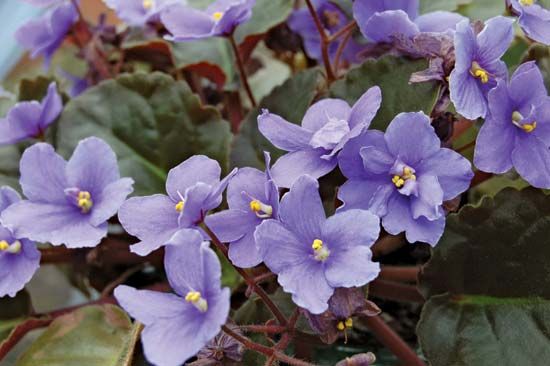
The genus Viola comprises approximately 500 species of herbs or low shrubs within the family Violaceae. It is important to note that the African violet is not a true member of this genus, as it belongs to a different plant family entirely.1
Key characteristics of Viola plants include:
- Growth Habit: These plants can be annuals or perennials and are found primarily in temperate climates.1
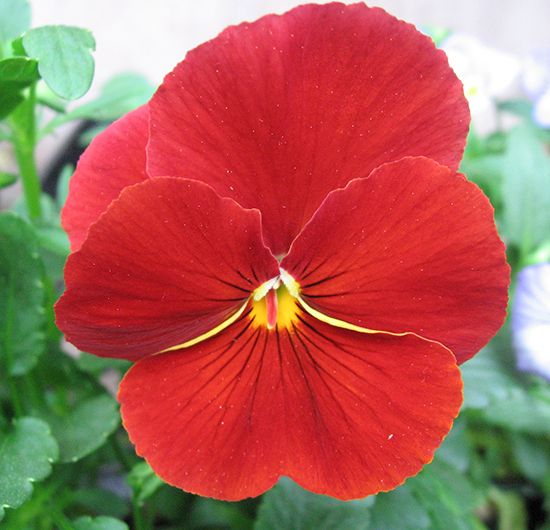
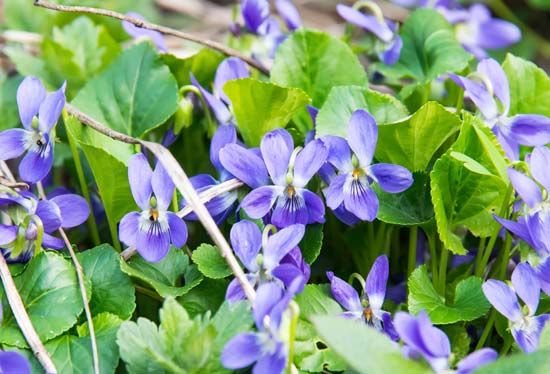
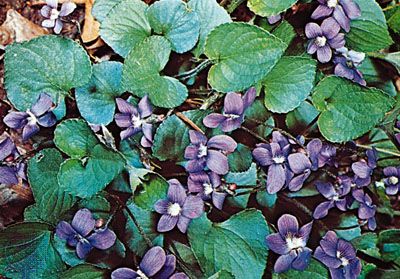
- Flowers: Typically growing singly on a stalk, the flowers possess five petals—four arranged in unlike pairs and a fifth featuring a spur. While they appear in many colors, they are notably never red. Some species produce two types of flowers: showy spring blooms and less conspicuous, self-fertilizing summer flowers.1
- Leaves: Leaf shape is variable, though many well-known species feature heart-shaped leaves. They may grow on the same stalk as the flower or on separate stalks.1
- Reproduction: Because they hybridize freely, identifying specific species can be challenging. Many species in the broader Violaceae family utilize capsular fruits that explosively eject seeds as they dry.12
What are the most popular cultivated varieties of violas?
The genus Viola includes several popular cultivated varieties that have been developed through centuries of hybridization and domestication. While the term “viola” is often used to describe smaller garden hybrids, the group encompasses a wide range of forms.13
The most prominent cultivated varieties include:
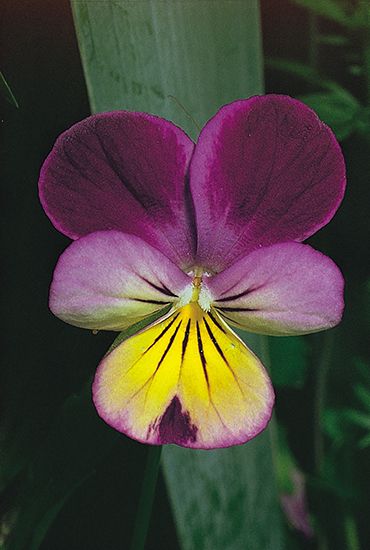
- Garden Pansy (Viola × wittrockiana): A widely grown hybrid known for its large, often multicolored, velvety flowers. It is a product of domestication involving V. tricolor, V. lutea, and V. altaica.14
- Tufted Pansy or Horned Viola (V. cornuta): This species serves as the parent for numerous forms of bedding pansies and is valued for its hardiness and growth habit.14
- Sweet Violets: These are popular florist’s violets consisting of several hybrids, many of which are derived from V. odorata.1
- Wild Pansy (V. tricolor): Also known as Johnny-jump-up, heartsease, or love-in-idleness, this species has been widely naturalized in North America and is a foundational parent for many garden hybrids.14
How are viola plants used in gardening and landscaping?
Viola plants are highly valued in gardening and landscaping due to their attractive flowers and versatility in various planting schemes. Because many species and hybrids are annuals or short-lived perennials, they are frequently utilized for seasonal color and ornamental displays.13
In landscaping, these plants are commonly used in the following ways:
- Bedding and Borders: Many forms, particularly those derived from the tufted pansy (Viola cornuta), are popular for bedding, where they provide dense, low-growing coverage.13
- Containers and Pots: Due to their compact size—typically ranging from 15 to 30 cm (6 to 12 inches) tall—they are excellent choices for window boxes, hanging baskets, and decorative containers.3
- Naturalized Plantings: Certain species, such as the wild pansy (Viola tricolor), have been widely naturalized in North America, making them suitable for informal or “wild” garden settings.13
- Floriculture: Various hybrids, often referred to as sweet violets (V. odorata), are cultivated specifically for their aesthetic appeal in garden beds and as ornamental flowers.1
These plants generally thrive in rich soil within damp, cool climates, making them ideal for spring and early-season garden interest.13
How many species of viola plants are there, and where are they commonly found?
The genus Viola consists of approximately 400 to 600 species of herbs or low shrubs.12
These plants are found naturally across the globe, though they are most abundant in temperate climates. While they occur worldwide, the greatest variety of Viola species is found in the Andes Mountains of South America. Generally, they are most common in north temperate regions and typically thrive in habitats such as meadows or damp woods.12
It is important to note that while the African violet is often associated with the name, it does not belong to the genus Viola or the family Violaceae; it is a member of the family Gesneriaceae.1
Sources
- viola — Encyclopædia Britannica
- Malpighiales - Violaceae — Encyclopædia Britannica
- pansy — Encyclopædia Britannica
- viola — Merriam-Webster
Published on · 3 min read