Sphenoclea
Sphenoclea is the sole genus within the plant family Sphenocleaceae, which belongs to the order Solanales. It consists of two species of fleshy annual herbs…
What is Sphenoclea?
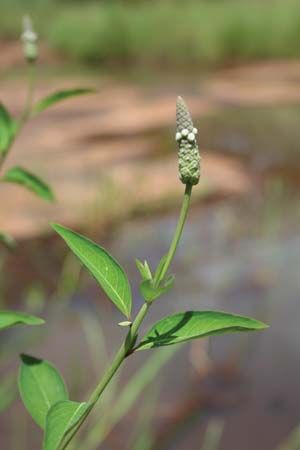
Sphenoclea is the sole genus within the plant family Sphenocleaceae, which belongs to the order Solanales. It consists of two species of fleshy annual herbs: Sphenoclea zeylanica and the West African S. dalzielli.12
These plants are characterized by their dense spikes of small, five-lobed flowers and capsular fruits that open by a lid-like top. S. zeylanica is a widespread weed often found in moist tropical and warm temperate regions, particularly in rice paddies, where its shoots are sometimes consumed as food. While sometimes historically associated with the family Campanulaceae, Sphenoclea is distinguished by its unique floral structure, including overlapping corolla lobes in the bud.12
What are the defining characteristics of the order Solanales?
The order Solanales is a significant group of flowering plants comprising five families, 165 genera, and over 4,080 species. It is classified within the core asterid clade, specifically the euasterid I group, and shares a close evolutionary relationship with the orders Lamiales and Gentianales.3
The order is best known for two major families: Solanaceae (nightshades) and Convolvulaceae (morning glories). While characteristics vary across the order, the Solanaceae family provides a representative look at the group’s diversity:3
- Habit: Members range from herbs and shrubs to woody epiphytes and occasional trees.4
- Leaves: Typically alternate, sometimes appearing in unequal pairs, and can be entire or divided.4
- Flowers: Generally perfect (bisexual) with floral parts in multiples of four or five. The calyx lobes are often united.4
- Pollination: Strategies are diverse, involving insects, birds, and bats. Some species utilize “buzz pollination,” where bees vibrate their flight muscles to release pollen from terminal anther pores.4
- Fruit: Typically a berry or a capsule containing numerous seeds.4
How do aquatic plants adapt to living in rice paddies?
Aquatic plants and crops like rice adapt to the waterlogged, anaerobic conditions of paddy fields through specialized physiological and structural mechanisms. Because saturated wetland soils are oxygen-depleted, plants must overcome the challenge of root respiration in an environment where decomposition is slowed and minerals are chemically reduced.5
A primary adaptation involves the ability of plant roots to release oxygen into the surrounding soil. This process creates oxygenated “pore linings” around the roots, which helps oxidize the reduced iron in the soil and facilitates gas exchange in an otherwise anaerobic environment. While some wetland trees utilize specialized structures called pneumatophores—lateral roots that grow upward to protrude above the water for direct oxygen intake—rice and other hydrophytic plants rely on internal tissue adaptations to transport air to submerged root systems.56
These adaptations are essential for survival in the flooded, impermeable soils characteristic of rice cultivation, where fields are typically maintained at a depth of 4–6 inches for the majority of the growing season.78
What are some other examples of edible wild weeds?
Many plants commonly categorized as weeds are actually edible and have been used in culinary traditions for centuries. It is important to note that while some weeds are safe to consume, one must always be certain of a plant’s identification before ingestion, as many wild plants can be toxic.
Here are some examples of edible plants often found in the wild or as garden weeds:
- Dandelions: These are perhaps the most recognizable wild edible. Their blossoms are frequently used in salads, and their leaves are often consumed as greens.9
- Sorrel: Both common sorrel (Rumex acetosa) and sheep’s sorrel (R. acetosella) are members of the buckwheat family. They are often found in pastures and are known for their distinct, tangy flavor.10
- Violets: These flowers are commonly used by chefs as a decorative and edible garnish for various dishes.9
- Pansies: Similar to violets, these blossoms are edible and often used to add color and flair to culinary presentations.9
Sources
- Sphenoclea — Encyclopædia Britannica
- Solanales - Other families — Encyclopædia Britannica
- Solanales — Encyclopædia Britannica
- Solanales - Family characteristics — Encyclopædia Britannica
- Pneumatophore — Encyclopædia Britannica
- Paddy — Encyclopædia Britannica
- Wetland - Soils — Encyclopædia Britannica
- Cereal processing - Cultivation — Encyclopædia Britannica
- 11 Questions About Useful Plants Answered - Can you eat flowers? — Encyclopædia Britannica
- Caryophyllales - Polygonaceae — Encyclopædia Britannica
Published on · 3 min read