Population Ecology
Population ecology is the study of the processes that influence the distribution and abundance of plant and animal populations. It focuses on single species…
What is population ecology and how does it differ from other branches of ecology?
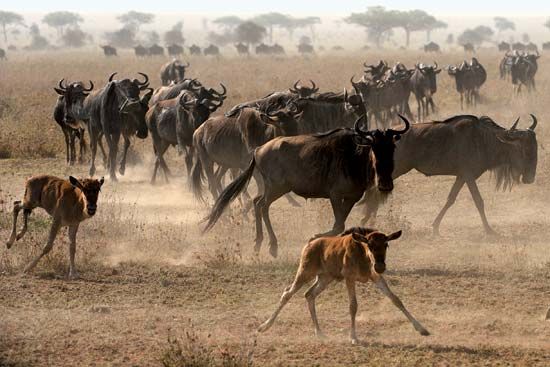
Population ecology is the study of the processes that influence the distribution and abundance of plant and animal populations. It focuses on single species, investigating why some are rare while others are abundant, and identifying the mechanisms—such as predation, disease, or competition—that cause population numbers to fluctuate over time and across geographic ranges.1
This field differs from other branches of ecology by its specific scale and focus:
- Community ecology: While population ecology examines a single species, community ecology (or synecology) studies the interactions between multiple species within a particular area, such as how predators might increase overall diversity by limiting a dominant competitor.1
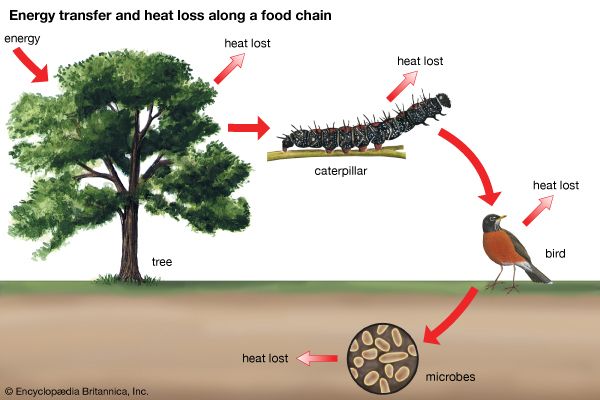
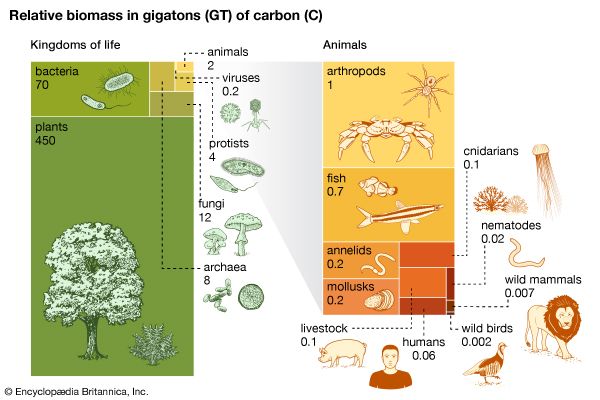
- Ecosystem ecology: This branch shifts the focus away from individual species to large-scale measures like biomass, energy flow, and nutrient cycling.1
- Physiological and Behavioral ecology: These approaches focus on the individual organism, examining how specific environmental factors drive survival mechanisms or behavioral adaptations.1
How do invasive species impact native populations in an ecosystem?
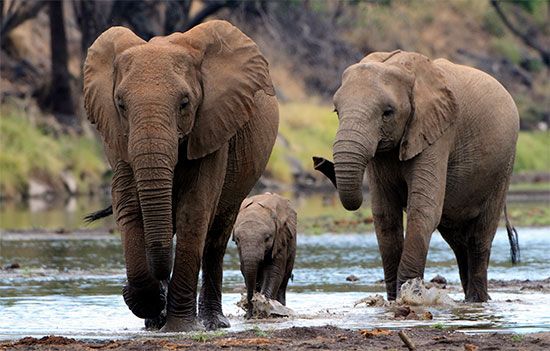
Invasive species disrupt ecosystems by outcompeting native organisms for essential resources such as food and living space. Because these nonnative species often lack natural predators or parasites in their new environments, they can experience unchecked population growth, leading to significant ecological instability.34
The impact on native populations is often severe and multifaceted:
- Predation: Invasive predators can be highly efficient at capturing prey, causing native populations to decline rapidly or face localized extinction.3
- Resource Competition: Invasive species may monopolize resources, effectively replacing native species that can no longer compete for survival.3
- Disease Transmission: Invasive organisms often act as disease vectors, introducing new parasites and pathogens that native species are not adapted to withstand.3
- Biodiversity Loss: The cumulative effect of these pressures is a reduction in overall biodiversity, which can permanently alter the structure and health of the ecosystem.3
Ethically, it is imperative to recognize that human activity, such as global commerce, is a primary driver of these disruptions, necessitating responsible management to protect vulnerable native species and maintain ecological integrity.3
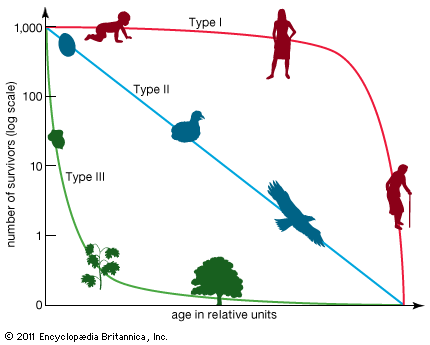
What is the significance of age structure in population ecology?
In population ecology, age structure is a fundamental characteristic that describes the proportion of individuals within different age categories in a population. It is a critical determinant of a population’s potential for growth, as it constrains the number of individuals capable of reproduction at any given time.567
The Significance of Age Structure
Age structure is typically analyzed by categorizing individuals into three ecological stages: prereproductive, reproductive, and postreproductive. The relative distribution of individuals across these stages dictates the population’s future dynamics:8
- Growth Potential: Populations with a large proportion of individuals in the prereproductive stage have high growth potential, as these individuals will soon enter the reproductive phase. Conversely, populations dominated by postreproductive individuals may experience stagnant or negative growth.597
- Fertility Influence: While mortality affects all age groups, fertility changes have the most concentrated impact on the age structure by altering the number of newborns (age zero). Consequently, fertility rates are the primary driver of shifts in age distribution.56
- Reproductive Timing: The age at which a species reaches sexual maturity significantly influences how quickly a population can grow. Species that mature early can increase their numbers much faster than those that mature later.10
Visualization and Analysis
Ecologists and demographers often use population pyramids to visualize these distributions. These graphs reveal how factors like fertility, mortality, and migration shape a population over time. By examining these structures, researchers can make projections about life expectancy and the long-term viability of both human and nonhuman populations.59610
What is carrying capacity, and how does it relate to population dynamics?
Carrying capacity is defined as the average population size or density of a species that an environment can sustain based on the availability of life-sustaining resources, such as food, shelter, and social requirements. It represents the upper limit of a population in a given habitat; when numbers fall below this threshold, they tend to increase, and when they exceed it, they tend to decrease due to resource shortages.1112
In population dynamics, carrying capacity is central to the concept of logistic growth. This growth pattern is depicted by an S-shaped, or sigmoid, curve, which illustrates how populations initially grow rapidly before leveling off as they approach the environment’s carrying capacity. This stabilization occurs because, as population density increases, density-dependent factors—such as competition for resources, predation, and disease transmission—begin to limit further growth.13126
If a population exceeds its carrying capacity, it may face overpopulation, which can lead to environmental deterioration and a potential population crash characterized by high mortality and reproductive failure.14
Sources
- population ecology — Encyclopædia Britannica
- ecology - Areas of study — Encyclopædia Britannica
- invasive species — Encyclopædia Britannica
- population ecology - Population cycles — Encyclopædia Britannica
- population - Age distribution — Encyclopædia Britannica
- Population growth — Encyclopædia Britannica
- population pyramid — Encyclopædia Britannica
- mammal - Populations — Encyclopædia Britannica
- population ecology - Life tables and the rate of population growth — Encyclopædia Britannica
- age distribution — Encyclopædia Britannica
- carrying capacity — Encyclopædia Britannica
- logistic function — Encyclopædia Britannica
- Overpopulation — Encyclopædia Britannica
- density-dependent factor — Encyclopædia Britannica
Published on · 4 min read