Pico Island
Pico Island is part of the central group of the Azores archipelago, an autonomous region of Portugal located in the North Atlantic Ocean. It is separated…
What is Pico Island?
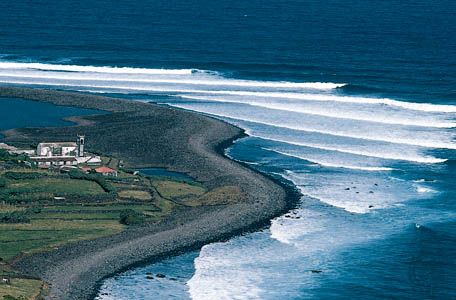
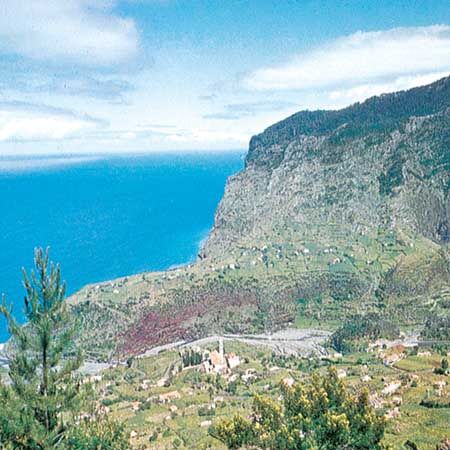
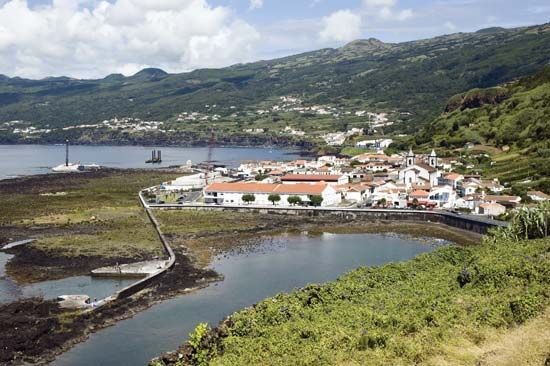
Pico Island is part of the central group of the Azores archipelago, an autonomous region of Portugal located in the North Atlantic Ocean. It is separated from Faial Island by the Faial Channel and covers an area of 163 square miles (433 square km).12
The island is dominated by the Ponta do Pico volcano, which reaches 7,713 feet (2,351 m) and serves as the highest point in metropolitan Portugal. Its economy relies primarily on agriculture, including dairying, cattle raising, and viticulture. The unique landscape shaped by the island’s viticulture was designated a UNESCO World Heritage site in 2004. While historical whaling operations ceased in the late 1980s, the island remains a destination for whale watching, as sperm whales frequent the surrounding waters. Major urban centers on the island include Madalena, São Roque do Pico, São Mateus, and Lajes.12
What makes the viticulture landscape of Pico Island a UNESCO World Heritage site?
The viticulture landscape of Pico Island was designated a UNESCO World Heritage site in 2004 due to the unique and historic agricultural practices developed on the island.12
While the provided search results confirm that the vineyard culture of Pico Island holds this prestigious status, they do not detail the specific technical or historical criteria—such as the construction of the iconic stone walls or the specific cultivation methods—that led to the designation.12
Sorry, the Britannica knowledge base does not contain the specific details regarding the architectural or cultural criteria that qualified the landscape for this UNESCO status.
How does the Mid-Atlantic Ridge influence the geology of the Azores?
The Azores archipelago is geologically defined by its position atop the Mid-Atlantic Ridge, a massive submarine mountain range that marks the boundary between crustal plates. Because the islands rise directly from this ridge, they are essentially the peaks of a major mountain range that has emerged above sea level.24
The ridge’s influence on the region is characterized by significant tectonic and volcanic instability:
- Seafloor Spreading: The Mid-Atlantic Ridge is a slow-spreading center where molten magma from beneath the Earth’s crust wells up to form new crustal material. This ongoing process contributes to the volcanic nature of the islands.42
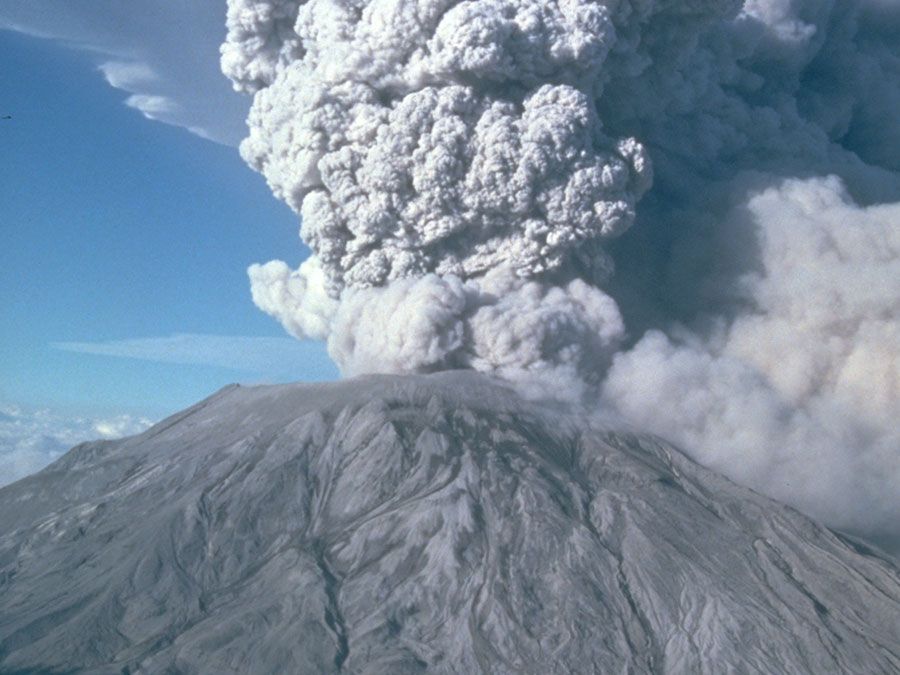
- Volcanic Activity: The islands are home to deep craters, known as calderas, and have experienced numerous historic eruptions, such as the 1957–58 Capelinhos eruption that expanded Faial Islandelinhos eruption that expanded Faial Island.2
- Seismic Instability: The movement of the plates along the ridge frequently triggers earthquakes, which have historically caused significant destruction, such as the 1522 burial of Vila Franca do Campo on São Miguel.24
What is the history of whaling in the Azores and why did it end?
Whaling in the Azores was a significant historical industry, primarily focused on the hunting of sperm whales, which frequent the deep waters surrounding the archipelago. Unlike the large-scale industrial whaling operations that utilized factory ships in other parts of the world, Azorean whaling was traditionally characterized by smaller-scale, shore-based efforts.781
The industry played a notable role in the island’s culture and economy for generations. Today, the legacy of this practice is preserved at the whaling museum and library located in Lajes on Pico Island, which opened in 1988.7
Whaling operations in the Azores ceased by the mid-1980s (with sources citing 1984 and the late 1980s). While the provided search results do not detail the specific socio-economic or regulatory drivers for the end of the industry in the Azores, the global decline of whaling during the 20th century was largely driven by the catastrophic collapse of whale populations and the subsequent rise of international scrutiny and regulation. In the Azores, the transition away from hunting has led to the development of whale watching as a primary tourist activity, allowing visitors to observe some of the 20 species of cetaceans found in the region.781
Sources
- Pico Island — Encyclopædia Britannica
- Azores — Encyclopædia Britannica
- Volcano Pico de Orizaba — Encyclopædia Britannica
- Mid-Atlantic Ridge — Encyclopædia Britannica
- volcano - Subduction volcanoes — Encyclopædia Britannica
- plate tectonics - Island arcs — Encyclopædia Britannica
- whaling - Early commercial whaling — Encyclopædia Britannica
- whaling - Primitive whaling — Encyclopædia Britannica
- whaling — Encyclopædia Britannica
Published on · 3 min read