Pileated Woodpecker
The pileated woodpecker (Dryocopus pileatus) is the largest living woodpecker in North America. Known for its striking black plumage, bold white stripes on…
What is Pileated woodpecker?
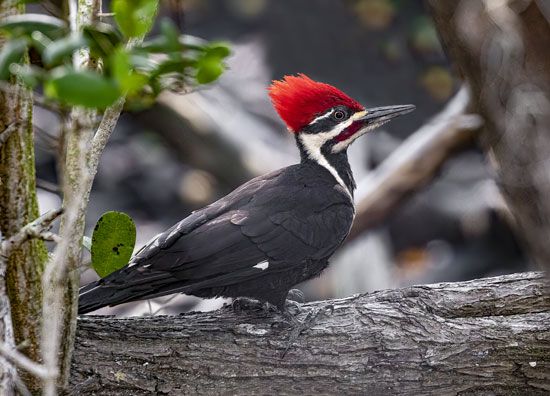
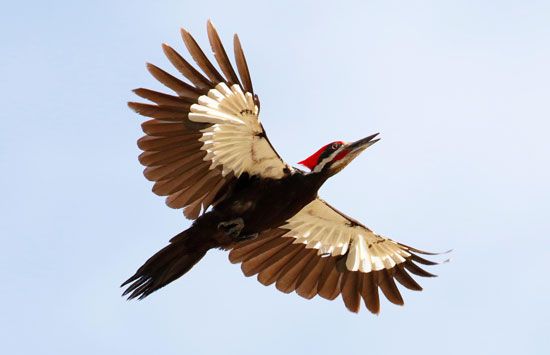
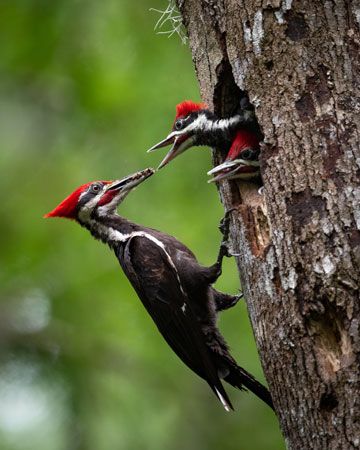
The pileated woodpecker (Dryocopus pileatus) is the largest living woodpecker in North America. Known for its striking black plumage, bold white stripes on the face and neck, and a prominent red crest, the bird derives its name from the Latin pileatus, meaning “wearing a pileus” (a type of ancient Roman hat).12
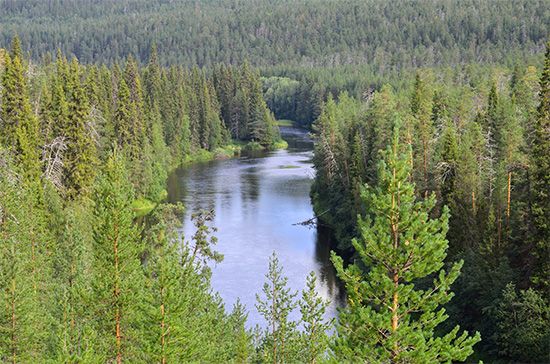
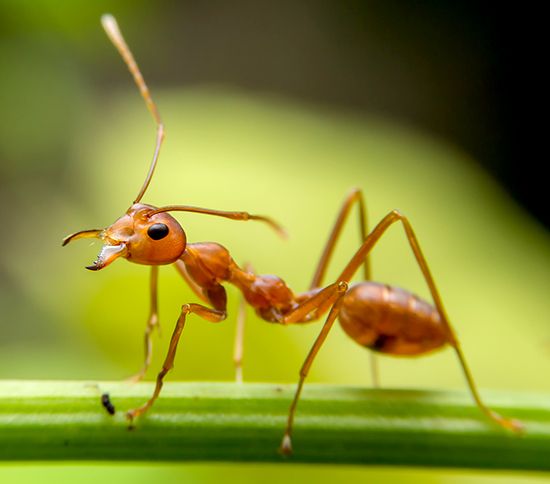
These nonmigratory birds inhabit coniferous and deciduous forests as well as wetland areas across the eastern United States, the Pacific coast, and southern Canada. They are specialized foragers that use their long, pointed tongues to extract ants, termites, and wood-boring beetle larvae from dead trees.13
Currently classified as a species of least concern, the pileated woodpecker has seen its population recover significantly since the 20th century. While often associated with the cartoon character Woody Woodpecker due to its appearance and vocalizations, the character was originally inspired by a different species.1
What happened to the ivory-billed woodpecker?
The ivory-billed woodpecker (Campephilus principalis) is a large, black-and-white bird that has long been the subject of intense conservation concern. Historically found in the southern United States and Cuba, the species suffered a severe population decline primarily due to the logging of virgin forests, which the birds relied upon for their diet of deadwood insects.45
For many years, the species was presumed extinct. However, this status has been subject to debate; following unconfirmed sightings in the late 1990s, a team of researchers announced in 2005 that the bird had been sighted in eastern Arkansas. Despite this, the bird remains critically endangered and is often still presumed extinct in the U.S. by many authorities. A subspecies, the Cuban ivory-billed woodpecker, was last officially sighted in the late 1980s and is believed to be extinct, as is the related imperial woodpecker of Mexico.456
How do woodpeckers avoid brain injuries while drumming?
Woodpeckers have evolved a specialized food-gathering apparatus that protects them from the intense forces generated during drumming. Rather than relying on a single mechanism, they utilize a combination of structural adaptations to absorb and distribute shock:
- Skull Structure: The skull is unusually thick and, in highly specialized species, curves inward at the upper base of the bill. This design acts as a built-in shock absorber, preventing the force of the impact from transferring directly to the brain.7
- Head Musculature: The muscles surrounding the head are specifically adapted to both power the forceful thrusts of the bill and assist in absorbing the resulting impact.7
- Body Support: Woodpeckers use their stiffened tail feathers to prop their bodies against tree trunks, providing a stable platform that helps manage the physical stress of hammering.7
These modifications, alongside their generally sturdy and tough-skinned physiology, allow them to perform their wood-pecking habits without sustaining injury.7
What role do woodpeckers play in forest ecosystems?
Woodpeckers play a vital role in forest ecosystems, primarily through their foraging habits and their ability to create nesting cavities.
Insect Control
Most woodpeckers feed on insects, often reaching areas within tree bark that other birds cannot access. By consuming these insects, they help regulate populations and can even prevent the spread of tree diseases, such as Dutch elm disease, by destroying the insect carriers that facilitate the spread of pathogens.8
Habitat Creation
Woodpeckers are essential ecosystem engineers because they excavate holes in trees for nesting and roosting. Once a woodpecker vacates these cavities, they provide critical shelter for a wide variety of other species, including other birds, tree frogs, lizards, and various mammals. In many forest environments, these abandoned holes serve as necessary refuges where animals can raise their young or roost safely away from predators.89
While their activities are generally beneficial, some species, such as sapsuckers, may occasionally damage trees by creating openings, and some woodpeckers may impact human-made structures like utility poles when natural deadwood is scarce.8
Sources
- Pileated woodpecker — Encyclopædia Britannica
- pileated woodpecker — Merriam-Webster
- Pileated woodpecker: Top Questions — Encyclopædia Britannica
- Ivory-billed woodpecker — Encyclopædia Britannica
- Woodpecker — Encyclopædia Britannica
- ivory-billed woodpecker — Merriam-Webster
- Piciform - Form and function — Encyclopædia Britannica
- Piciform - Importance to humans — Encyclopædia Britannica
- Apartments in the rainforest — Encyclopædia Britannica
- Piciform - Distribution and ecology — Encyclopædia Britannica
Published on · 3 min read