Polar Ecosystem
Climate change is profoundly altering polar ecosystems, primarily through the rapid loss of sea ice and rising temperatures. These changes threaten the…
How is climate change affecting polar ecosystems?
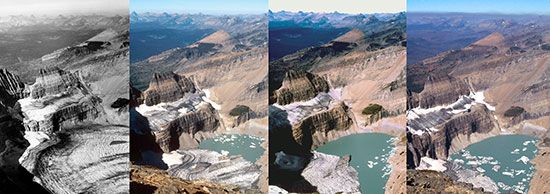
Climate change is profoundly altering polar ecosystems, primarily through the rapid loss of sea ice and rising temperatures. These changes threaten the integrity and sustainability of both Arctic and alpine tundra environments.123
Impacts on Wildlife and Habitats
- Polar Bears: As sea ice melts, polar bears face increased difficulty hunting seals, their primary prey. Longer ice-free seasons are linked to higher starvation rates and reduced reproductive success.143
- Marine Life: In the Antarctic, declining ice extent threatens krill populations, which lose essential under-ice habitat, potentially impacting the entire food chain.3
- Tundra Vegetation: Warming temperatures are causing an earlier spring thaw and later autumn freeze, leading to increased shrub density and the northward migration of tree species, which reduces the overall extent of the tundra.2
Feedback Loops
The loss of ice reduces Earth’s albedo, causing the surface to absorb more solar radiation and further accelerating warming. Additionally, the thawing of permafrost releases stored carbon as methane and carbon dioxide, creating a positive feedback loop that intensifies global climate change.2
How do indigenous peoples interact with and depend on polar ecosystems?
Indigenous peoples of the Arctic, including the Inuit, Yupiit, and Unangan (Aleut), have historically maintained a deep, respectful connection to their environment, viewing it not as a hostile wilderness to be conquered, but as a familiar and generous provider of livelihood.789
Subsistence and Adaptation
Indigenous life is defined by a sophisticated adaptation to the region’s seasonality rather than simple latitude. Because the Arctic environment is characterized by periods of extraordinary abundance followed by scarcity, traditional cultures developed highly specialized strategies to secure resources:8
- Hunting and Gathering: Traditional subsistence relies heavily on faunal resources, including caribou, seals, walruses, whales, and fish.910
- Seasonal Mobility: Many groups practice seasonal migration, moving between coastal areas for winter sea-mammal hunting and inland tundra regions for summer fishing and caribou hunting.113
- Technological Virtuosity: Survival is supported by traditional technologies such as the kayak and umiak for maritime hunting, and the use of specialized clothing made from animal furs to withstand extreme cold.111012
Contemporary Activism
In the modern era, Indigenous peoples have become powerful advocates for their lands and cultures. Organizations like the Inuit Circumpolar Conference and the Aleut International Association represent these populations on the global stage. These groups hold permanent membership in the Arctic Council, where they actively work to protect the northern environment from the threats of global warming and resource exploitation, ensuring that their traditional knowledge and rights are respected in international policy.713
How do plants and animals adapt to survive in polar regions?
Plants and animals in polar regions have evolved specialized physiological and behavioral adaptations to survive extreme cold, short growing seasons, and limited food availability.
Plant Adaptations
Arctic plants must contend with low temperatures, infertile soil, and strong winds. To survive, many species exhibit the following traits:
- Growth Form: Many plants grow in compact, cushion-like shapes to protect themselves from drying winds and extreme cold.16
- Life Cycle: Because the growing season is very short, many plants are perennials that reproduce asexually via shoots or runners. They often initiate growth while snow is still on the ground, completing their flowering and seed stages in as little as six weeks.16
- Moisture Management: Plants rely on snow cover for protection and moisture. Species in snow-bed communities are adapted to shorter snow-free seasons, while those in wind-exposed areas must tolerate summer drought.17
Animal Adaptations
Polar animals utilize a variety of strategies to maintain homeostasis and secure food:
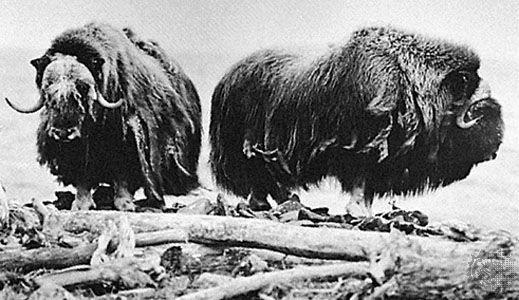
- Insulation and Body Size: Large herbivores like musk oxen and reindeer benefit from larger body sizes, which reduce heat loss by minimizing surface area relative to volume. Musk oxen also possess exceptionally thick coats. Polar bears use a combination of dense fur, a thick layer of fat, and black skin to absorb heat.18194
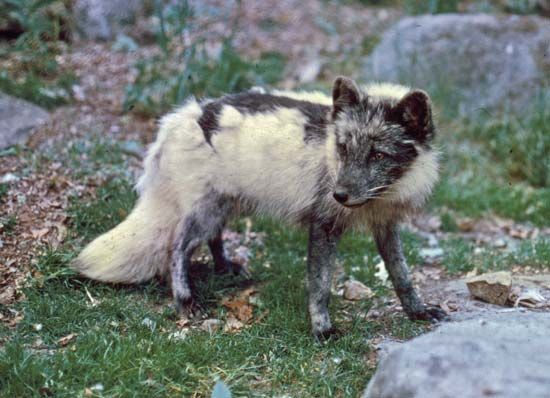
- Camouflage: Many species, including Arctic hares and foxes, undergo seasonal color shifts, sporting white coats in winter to blend into the snow.18
- Behavioral Strategies: Small mammals like lemmings survive the winter by living under the insulating layer of snow, where they continue to feed and reproduce. Predators often migrate or follow the seasonal patterns of their prey.1718
- Metabolic Efficiency: Some animals, such as sea otters, maintain high metabolic rates and use specialized “thermogenic leak” in their muscles to generate internal heat, as they lack the thick blubber found in other marine mammals.20
What are the main differences between Arctic and Antarctic ecosystems?
The Arctic and Antarctic ecosystems are fundamentally different in their geography, climate, and biological composition.
Geographic and Physical Differences
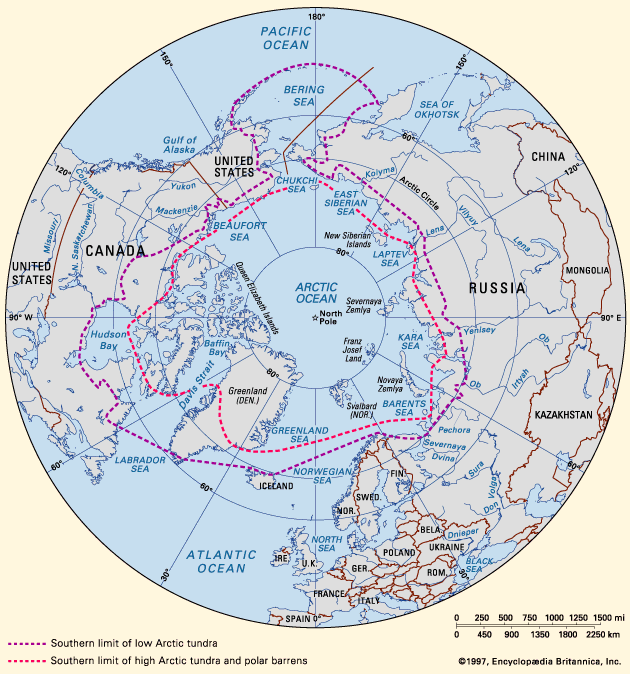
- Structure: The Arctic is a semi-enclosed ocean basin surrounded by northern landmasses, whereas Antarctica is a vast, isolated continent surrounded by the Southern Ocean.2122
- Ice Cover: Antarctica is the world’s iciest continent, with approximately 98 percent of its landmass covered by a massive ice sheet that holds about 80 percent of Earth’s fresh water. In contrast, the Arctic features a mix of land and sea ice, with much of the region defined by the Arctic Ocean.222123
- Climate: Antarctica is significantly colder and drier than the Arctic. Temperatures on the Antarctic polar plateau are the coldest on Earth, while the Arctic climate is relatively mild by comparison.16
Biological Differences
- Terrestrial Life: The Arctic supports a well-developed tundra biome with diverse plant and animal life, including native land mammals like caribou and musk oxen. Conversely, Antarctica lacks a well-developed tundra; its terrestrial flora is limited to mosses, lichens, and a few flowering plants, and it has no native land mammals.242526
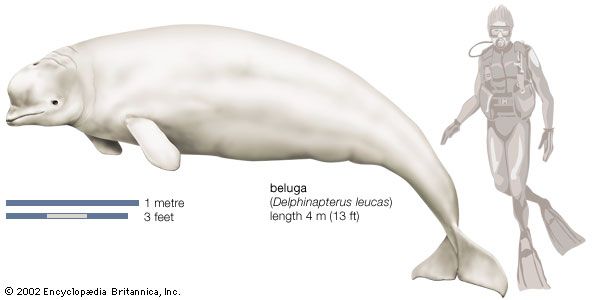
- Marine Life: Antarctic waters are highly productive due to upwelled nutrients, supporting a food web centered on krill, which serves as a primary food source for whales, seals, and seabirds. The Arctic marine ecosystem is also productive but features different species, such as beluga whales, narwhals, and various seals, with a unique ecosystem associated with sea ice algae.2721
Human Presence and Administration
The Arctic is home to various Indigenous peoples and is divided among eight sovereign nations, whereas Antarctica is governed by the Antarctic Treaty, which preserves the continent for nonmilitary scientific research and prohibits mining.2228
Sources
- Global warming: Top Questions — Encyclopædia Britannica
- Tundra - Effects of human activities and climate change — Encyclopædia Britannica
- sea ice - The emerging impacts of recent changes to sea ice — Encyclopædia Britannica
- polar bear — Encyclopædia Britannica
- ocean warming — Encyclopædia Britannica
- ocean acidification — Encyclopædia Britannica
- Arctic - Contemporary developments — Encyclopædia Britannica
- Arctic - The people of the Arctic — Encyclopædia Britannica
- Arctic - Biological resources — Encyclopædia Britannica
- Arctic - Adaptations to local environments — Encyclopædia Britannica
- Native American - The Arctic — Encyclopædia Britannica
- Arctic - History of settlement — Encyclopædia Britannica
- Inuit: Top Questions — Encyclopædia Britannica
- Arctic - The Arctic in international affairs — Encyclopædia Britannica
- Arctic - Sedentary peoples: the southern Yupiit and the Unangan ( Aleuts ) — Encyclopædia Britannica
- Polar ecosystem - Development and structure of populations and communities — Encyclopædia Britannica
- Arctic - Vegetation — Encyclopædia Britannica
- Tundra - Arctic mammals — Encyclopædia Britannica
- Why are polar bears white? — Encyclopædia Britannica
- How do sea otters stay warm? — Encyclopædia Britannica
- Polar ecosystem - The Antarctic region — Encyclopædia Britannica
- Tundra - Distribution — Encyclopædia Britannica
- Arctic - Marine fauna — Encyclopædia Britannica
- glacier - Climatic conditions — Encyclopædia Britannica
- What’s the Difference Between a Glacier and an Ice Floe? — Encyclopædia Britannica
- Arctic - Climate of the Arctic — Encyclopædia Britannica
- Antarctica — Encyclopædia Britannica
- Arctic - Administration — Encyclopædia Britannica
- Antarctica - Sea life — Encyclopædia Britannica
Published on · 5 min read