Rakahanga Atoll
Rakahanga Atoll is a sparsely populated, rectangular coral atoll located in the northern Cook Islands, a self-governing state in free association with New…
What is Rakahanga Atoll?
Rakahanga Atoll is a sparsely populated, rectangular coral atoll located in the northern Cook Islands, a self-governing state in free association with New Zealand. Spanning approximately 1.6 square miles of land, it consists of eight islets surrounding a lagoon protected by a reef.1
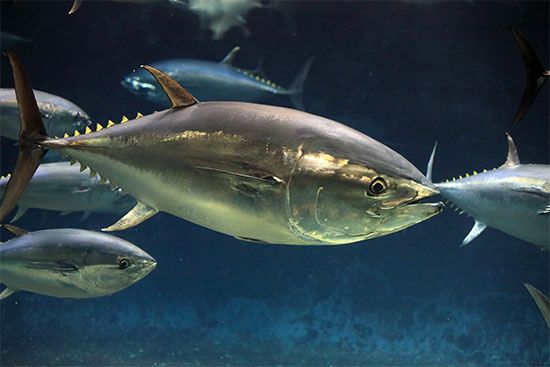
Historically inhabited by Polynesian people for centuries, the atoll was discovered by Europeans in 1606. Today, the local economy relies on pearl farming and subsistence activities like tuna fishing. The community utilizes solar power for energy and is actively involved in conservation efforts for the local sea turtle population. As an extremely low-lying landmass, Rakahanga faces significant environmental risks due to climate change and rising sea levels.1
How are coral atolls formed?
The formation of coral atolls is primarily explained by the subsidence theory proposed by Charles Darwin. This process involves several progressive stages:
- Fringing Reef Stage: Coral reefs initially grow in shallow waters around the perimeter of a volcanic island.
- Barrier Reef Stage: As the volcanic island gradually subsides (sinks) into the ocean, the reef continues to grow upward and outward to remain in the sunlit, shallow waters necessary for survival. This creates a widening gap of water between the reef and the island, forming a lagoon.
- Atoll Stage: Eventually, the volcanic island sinks completely below the surface, leaving behind a ring-shaped reef that encloses a central lagoon.
While Darwin’s subsidence model remains fundamental, modern science also incorporates the impact of sea level changes, particularly those resulting from Pleistocene Epoch glaciation cycles. Additionally, some annular reefs may form through the erosion of uplifted limestone platforms, which are later submerged, allowing coral to recolonize the outer rim.
What are the main challenges of living on a remote island?
Living on a remote island presents several significant challenges, primarily driven by geographic isolation and limited resources.
Economic and Logistical Hurdles
- High Cost of Living: Insularity often necessitates a heavy reliance on imports, which drives up the prices of consumer goods and building materials due to added transportation costs.56
- Market Access: Distance from large markets can hinder industrial competitiveness, often resulting in lower productivity and per capita income compared to mainland averages.6
- Resource Constraints: Remote islands may face limited human and natural resources, sometimes leading to a reliance on foreign aid or public funds to support infrastructure, health, and welfare services.76
Environmental Vulnerability
- Climate Change: Remote islands, particularly low-lying atolls, are highly susceptible to sea level rise. This leads to increased flooding, storm surges, and erosion, which threaten local ecosystems and infrastructure.8
Infrastructure and Connectivity
- Transportation: Maintaining reliable interisland shipping and air services is essential but can be a strain on resources.7
- Energy Costs: Due to the difficulty of importing fuel or maintaining independent grids, remote locations often face high electric power rates.6
How does climate change affect low-lying islands?
Climate change poses an existential threat to low-lying islands, primarily through the effects of global warming and rising sea levels. As sea levels rise due to thermal expansion and melting polar ice, some island nations, such as Tuvalu and Kiribati, face the literal disappearance of their landmasses.910
Key impacts include:
- Saltwater Intrusion: Rising seas and storm surges push salt water into freshwater supplies and groundwater basins, contaminating drinking water and rendering agricultural land unproductive.910
- Ecosystem Degradation: Increased ocean temperatures and ocean acidification cause coral bleaching, destroying the reefs that provide essential habitat for marine life and protection for island coastlines.11912
- Extreme Weather: Climate change increases the frequency and severity of cyclones, flooding, and droughts, which damage infrastructure and disrupt local livelihoods.910
To address these challenges, some nations are implementing adaptation strategies, such as improving water management, enhancing crop resilience, and planning the relocation of vulnerable coastal communities.13
Sources
- Rakahanga Atoll — Encyclopædia Britannica
- atoll — Encyclopædia Britannica
- lagoon - The effect of time — Encyclopædia Britannica
- coral reef - Origin and development of reefs — Encyclopædia Britannica
- Hawaii - Economy of Hawaii — Encyclopædia Britannica
- Kiribati - Economy — Encyclopædia Britannica
- sea level rise: Top Questions — Encyclopædia Britannica
- Prince Edward Island - Economy — Encyclopædia Britannica
- Coral bleaching — Encyclopædia Britannica
- Pacific Islands - Into the 21st century — Encyclopædia Britannica
- saltwater intrusion — Encyclopædia Britannica
- ocean acidification — Encyclopædia Britannica
- coral reef - Coral bleaching — Encyclopædia Britannica
- history of Solomon Islands - Climate change concerns — Encyclopædia Britannica
- salinity — Encyclopædia Britannica
Published on · 3 min read