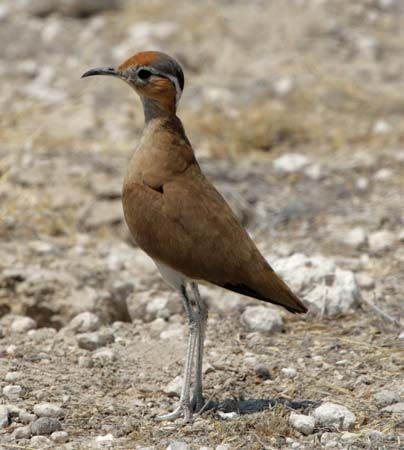
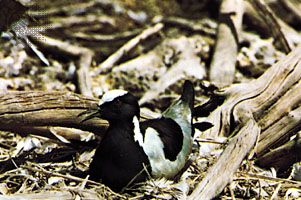
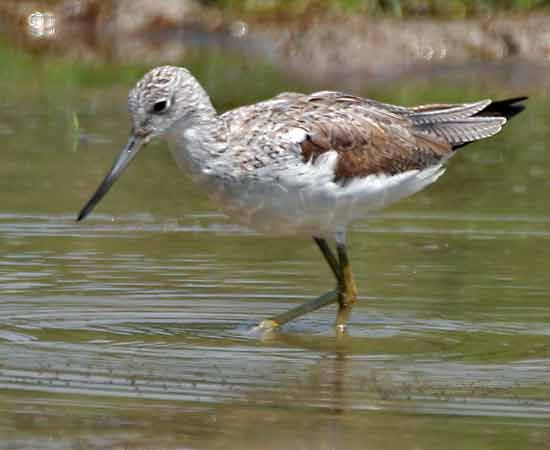
Pratincole
There are six or seven species of pratincoles, which belong to the subfamily Glareolinae within the family Glareolidae. These shorebirds are distributed…
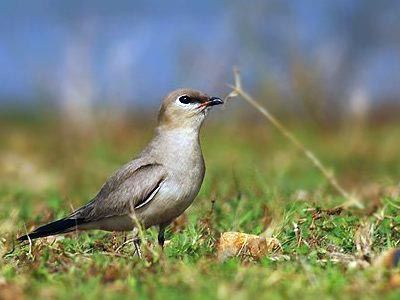
How many species of pratincoles are there, and where are they distributed globally?
There are six or seven species of pratincoles, which belong to the subfamily Glareolinae within the family Glareolidae. These shorebirds are distributed across Europe, Africa, Asia, and Australia.1
Pratincoles are characterized by their long, pointed wings, forked tails, and insectivorous diet, which they typically hunt at twilight while flying over lakes and rivers. They are known for nesting colonially on the ground, often utilizing the hoofprints of grazing animals. While the family Glareolidae as a whole—which also includes coursers—contains 18 species, the pratincole group specifically is recognized for its distinct morphology, such as the reddish-brown underwings of the common pratincole or the unique arid-plain habitat of the Australian pratincole.12
How do pratincoles’ wings and flight patterns differ from other shorebirds?
Pratincoles are distinguished from many other shorebirds by their unique, swallow-like flight patterns and specialized wing morphology. While many shorebirds are known for wading or foraging on the ground, pratincoles are highly aerial, often hunting insects on the wing at twilight by flying over rivers and lakes.1
Their physical adaptations for this lifestyle include:
- Wing and Tail Structure: Pratincoles possess long, pointed wings and forked tails, which provide the agility and speed necessary for catching insects in mid-air. In contrast, many other shorebirds, such as plovers or sandpipers, have different wing shapes suited for long-distance migration or terrestrial foraging rather than sustained aerial hunting.13
- Flight Behavior: Unlike the ground-based foraging typical of many members of the suborder Charadrii, pratincoles exhibit a distinct, graceful flight style that allows them to maneuver effectively while feeding. While other shorebirds may perform elaborate courtship flights—such as the song flights of greenshanks or woodcock—the pratincole’s flight is primarily a functional adaptation for its insectivorous diet.13
In which habitats can pratincoles typically be found?
Pratincoles occupy a variety of environments across their range, primarily associated with open landscapes and water sources. Their preferred habitats include:
- Rivers and Lakes: Many species are frequently found near bodies of water, where they hunt for insects on the wing during twilight hours.1
- Open Ground and Meadows: The name pratincole is derived from the Latin words pratum (meadow) and incola (inhabitant), reflecting their tendency to occupy open, meadow-like areas. They are known to nest colonially on the ground, often utilizing the depressions created by the hoofprints of grazing animals.41
- Arid Plains: While most species favor proximity to water, the Australian pratincole (Stiltia isabella) is a notable exception, as it frequently inhabits the dry, arid plains found in the interior of Australia.1
How do pratincoles’ nesting and breeding behaviors differ from other shorebirds?
Pratincoles exhibit nesting and breeding behaviors that are largely similar to those of plovers, though they possess distinct social and defensive characteristics compared to other shorebirds.
Key aspects of their reproductive behavior include:
- Nesting Habits: Like many plovers, pratincoles nest on the ground, typically laying two or three eggs in a simple, unlined scrape or hollow. They are known to nest colonially in scattered groups, often utilizing natural depressions such as the hoofprints of grazing animals.31
- Defensive Displays: Pratincoles employ distraction displays at the nest to protect their young from potential threats, a behavior also observed in various other shorebird species, such as the greenshank, which may feign injury to divert predators.3
- Comparison to Other Shorebirds: While many shorebirds exhibit diverse breeding strategies—such as the promiscuous social courtship of the ruff or the burrow-nesting habits of the crab plover—pratincoles maintain a more traditional, ground-nesting approach. Unlike species where the female leaves all domestic duties to the male (such as phalaropes or jacanas), pratincoles generally follow the more common shorebird pattern of shared parental care.3
Sources
- Pratincole — Encyclopædia Britannica
- Charadriiform - Annotated classification — Encyclopædia Britannica
- Charadriiform - Shorebirds (suborder Charadrii) — Encyclopædia Britannica
- pratincole — Merriam-Webster
Published on · 3 min read