Prominent Moth
A prominent moth is any member of the family Notodontidae, a group of moths within the order Lepidoptera.
What is prominent moth?
A prominent moth is any member of the family Notodontidae, a group of moths within the order Lepidoptera.1
These nocturnal insects are characterized by their stout, hairy bodies and somewhat narrow forewings. Adults typically feature projecting wing tufts, while the larvae are distinguished by dorsal humps. Most species are colored in dull shades of gray, brown, or yellow, which helps them remain cryptic—or difficult to see—when resting on twigs or bark.1
The larvae of prominent moths feed on foliage. They have developed unique defensive behaviors; when threatened, they may vibrate their prolegs, raise both ends of their bodies, and squirt a fluid at predators. Their bright coloration often serves as a warning of their unpleasant taste. Unlike many other moth species that spin cocoons, prominent moths typically pupate underground.1
How do prominent moth larvae defend themselves from predators?
Prominent moth larvae (family Notodontidae) utilize a variety of sophisticated defense mechanisms to protect themselves from predators:
- Camouflage: Many species have irregular body shapes that allow them to blend into their environment by resembling twisted dead leaves or other natural debris, making them difficult for predators to detect.14
- Startle Displays: When disturbed, larvae may raise both ends of their bodies and vibrate their prolegs to frighten potential attackers.1
- Chemical Defense: These larvae can spray formic acid from ventral prothoracic glands to deter predators. They are also known to squirt fluids at a distance of several centimeters when threatened.41
- Aposematism: Many larvae possess bright coloration, which serves as a warning to predators that they are distasteful or toxic.14
By combining these physical, behavioral, and chemical strategies, prominent moth larvae effectively reduce their risk of predation.
What are the main differences between moths and butterflies?
While both moths and butterflies belong to the order Lepidoptera, they exhibit several distinct physical and behavioral differences:
Physical Characteristics
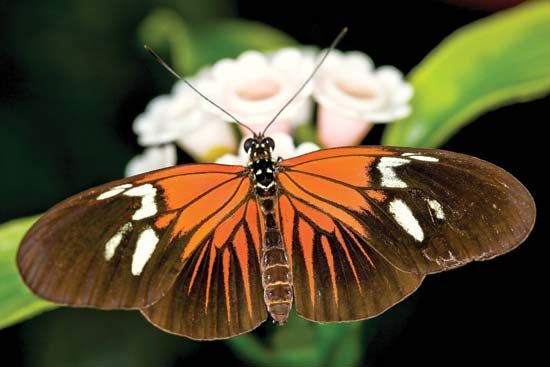
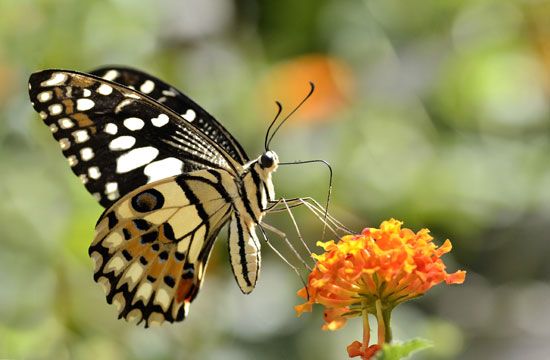
- Antennae: Most moths have thick or feathery antennae, whereas butterflies possess simple, club-tipped antennae.5
- Body Shape: Butterflies typically have slim, dainty bodies, while moths generally have stout, often fuzzy bodies.5
- Coloration: Butterflies are often colorful with dramatic wing patterns, while moths are frequently more drab, though there are notable exceptions in both groups.5
Behavioral and Developmental Differences
- Activity Patterns: Butterflies are typically diurnal (active during the day), while most moths are nocturnal.5
- Resting Position: When at rest, butterflies usually hold their wings vertically over their backs. Moths typically fold their wings tentlike over the body, wrap them around the body, or hold them extended at the sides.5
- Pupation: During metamorphosis, butterflies form a chrysalis. Most moths build a fibrous cocoon around themselves, though some species pupate in the soil with little to no cocoon.56
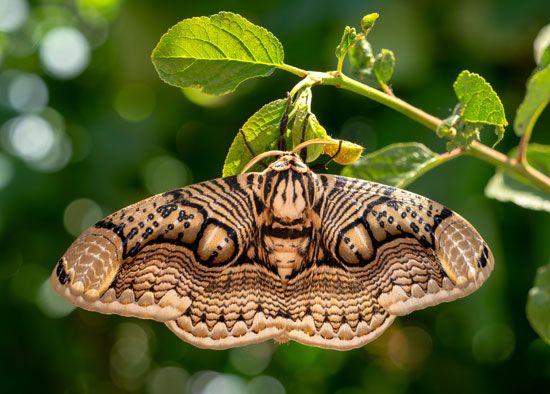
Why do some moth species have eyespots on their wings?
Some moth species have evolved eyespots on their wings as a specialized defense mechanism against predators. These prominent, eye-like markings serve two primary protective functions:
- Startle Effect: When a moth is disturbed, the sudden exposure of these bold, eye-like patterns can startle a predator, creating a momentary delay that provides the moth with a critical opportunity to escape.4
- Deflection: These spots act as targets that draw the attention of predators toward less vulnerable parts of the moth’s body. If a predator attacks the eyespot, it may tear off a piece of the wing without causing the moth any vital injury, allowing the insect to survive and fly away.4
This strategy is part of a broader range of Lepidoptera defense mechanisms, which also include camouflage, chemical secretions, and aposematic coloration, all designed to increase survival rates against visually hunting predators.4
Sources
- prominent moth — Encyclopædia Britannica
- moth — Encyclopædia Britannica
- saturniid moth — Encyclopædia Britannica
- Lepidoptera - Protection against danger — Encyclopædia Britannica
- What’s the difference between moths and butterflies? — Encyclopædia Britannica
- Lepidoptera - Pupa , or chrysalis — Encyclopædia Britannica
- eyespot — Merriam-Webster
Published on · 3 min read