Water Scorpion
It is important to clarify that water scorpions (family Nepidae) are distinct from true scorpions and the extinct giant water scorpions (Eurypterida). While…
Where do water scorpions typically live, and what is their habitat like?
It is important to clarify that water scorpions (family Nepidae) are distinct from true scorpions and the extinct giant water scorpions (Eurypterida). While true scorpions are terrestrial arachnids, water scorpions are aquatic insects.123
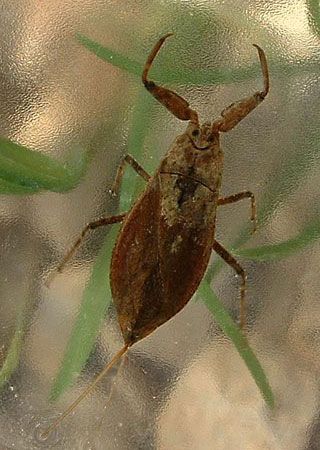
Water scorpions are found worldwide and typically inhabit the bottom edges of ditches and muddy ponds. Their habitat is characterized by shallow, still, or slow-moving water where they can remain hidden among dead, water-logged leaves and other plant debris.1
Because they are poor swimmers, they rarely venture into open water. Instead, they rely on their environment to ambush prey, often positioning themselves among plant stalks or debris. To breathe while submerged, they utilize a specialized “tail” composed of two respiratory tubes that they extend above the water’s surface to take in air. They also use the crevices of this submerged debris as sites for laying their eggs.1
How have water scorpions adapted to their aquatic environment over time?
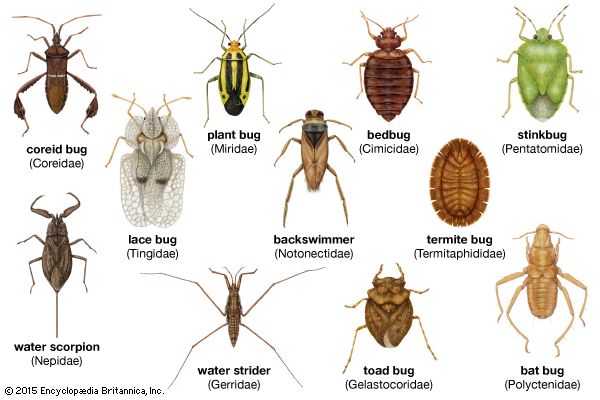
Water scorpions (family Nepidae) have evolved specialized adaptations that allow them to thrive as aquatic predators despite their limited swimming ability. Their primary adaptations include:
- Respiratory “Tail”: To overcome the challenge of breathing underwater, water scorpions possess a posterior structure composed of two long, thin, attached respiratory tubes. By extending this “tail” above the water’s surface, they can intake atmospheric air while remaining submerged.1
- Predatory Morphology: They have evolved scythelike front legs specifically adapted for seizing and holding prey. This allows them to ambush other organisms from their hiding spots among water-logged leaves and plant debris.1
- Locomotion: While they are generally poor swimmers, they have adapted their legs for movement in an aquatic environment. They can swim by moving their front legs up and down while kicking with their middle and hind pairs, which are also used for crawling along the bottom of ponds and ditches.1
- Respiratory Modifications: Like other aquatic heteropterans, they have developed modifications to their spiracles and external skeleton to exclude water while admitting oxygen, ensuring they can survive in their aquatic habitat.4
What are the key physical characteristics of water scorpions?
Water scorpions (family Nepidae) are aquatic insects that possess several distinct physical characteristics adapted for their environment:
- Color and Size: They are typically blackish brown in color and measure between 25 and 52 millimeters (1 to 2 inches) in length.1
- Body Shape: Their shape varies by genus. For instance, members of the genus Nepa have a slightly elongated, oval-shaped body, while other genera are more cylindrical.1
- Front Legs: They feature specialized, scythelike front legs that are adapted for seizing and holding prey.1
- Respiratory “Tail”: A defining feature is the long, thin, whiplike structure at the posterior end. This “tail” is composed of two attached respiratory tubes that the insect extends above the water’s surface to intake air.1
- Locomotion: They possess three pairs of legs. While they are generally poor swimmers, they can move through the water by moving their front legs up and down while kicking with their middle and hind pairs. These latter two sets of legs are also used for crawling along the bottom of their habitat.1
Are water scorpions harmful to humans, and do they have any ecological importance?
Water scorpions (family Nepidae) are generally not considered a significant threat to humans. While they are capable of biting if handled, the bite is painful but far less harmful than the sting of a true scorpion.1
Regarding their ecological importance, water scorpions function as predators within their aquatic habitats. They live primarily along the bottom edges of ditches and muddy ponds, where they hide among plant debris to ambush prey. By consuming various aquatic organisms, they play a role in the food web of these freshwater environments.1
Sources
- water scorpion — Encyclopædia Britannica
- scorpion - Ecology and habitats — Encyclopædia Britannica
- giant water scorpion — Encyclopædia Britannica
- scorpion - Evolution and paleontology — Encyclopædia Britannica
- scorpion - Reproduction and life cycle — Encyclopædia Britannica
- reptile - Swimming — Encyclopædia Britannica
- heteropteran - Respiratory system — Encyclopædia Britannica
- scorpion - Internal features — Encyclopædia Britannica
- arthropod - Respiratory system — Encyclopædia Britannica
- nepid — Merriam-Webster
Published on · 3 min read