Pumpkin
Pumpkins are classified within the kingdom Plantae and the division Angiosperm. They belong to the order Cucurbitales and the family Cucurbitaceae, commonly…
What is the botanical classification of pumpkins, and which plant family do they belong to?
Pumpkins are classified within the kingdom Plantae and the division Angiosperm. They belong to the order Cucurbitales and the family Cucurbitaceae, commonly known as the gourd family. Within this family, pumpkins are members of the genus Cucurbita of the genus Cucurbita.12
Botanically, the fruit of the pumpkin is a type of berry known as a pepo, which is characterized by a fleshy interior and a tough rind. Common species include Cucurbita pepo, C. moschata, and C. maxima. These plants typically grow as long, annual vines and are native to temperate and tropical regionsvines](https://www.britannica.com/plant/vine-plant) and are native to temperate and tropical regions.31
What are some common varieties of pumpkins, and how do they differ?
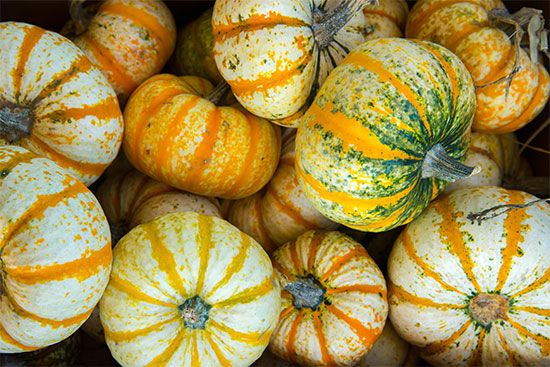
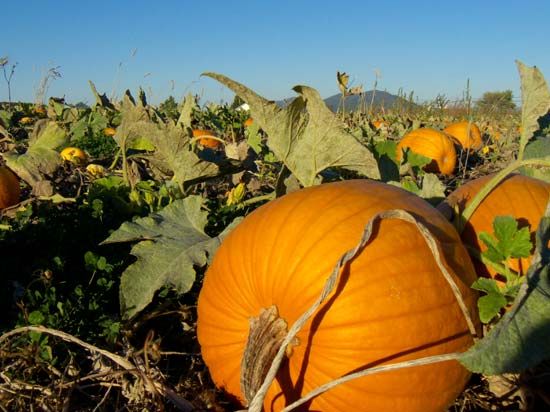
Pumpkins are not a single, uniform type of plant but rather a diverse group of fruits belonging to the genus Cucurbita. They vary significantly in size, color, and primary use, often categorized by their species and intended purpose.2
Common Varieties and Differences
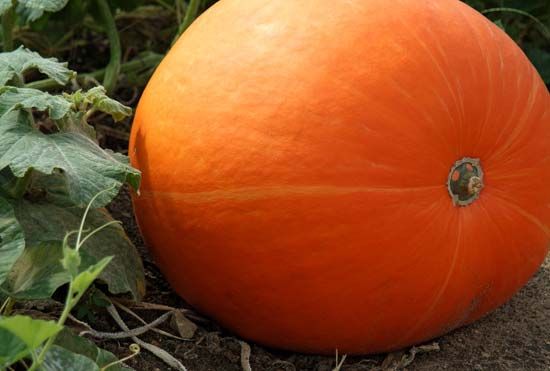
- Cucurbita pepo: This species includes the common field pumpkin, which is typically round to oval, orange, and widely used as an ornamental decoration, particularly for jack-o’-lanterns during Halloween.24
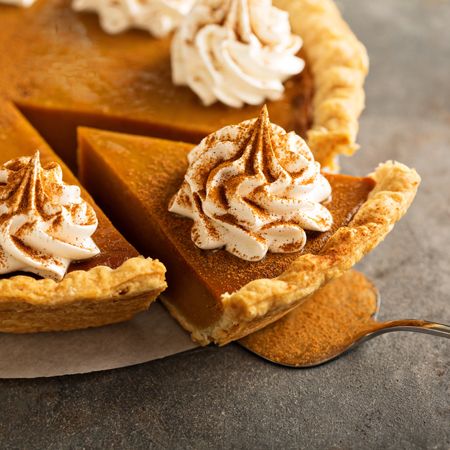
- Cucurbita moschata: Varieties within this species are frequently used for culinary purposes. Canned pumpkin, a staple for traditional holiday desserts like pumpkin pie, is commonly made from this species, sometimes blended with other winter squashes such as butternut squash.2
- Cucurbita maxima: This species is known for producing the largest pumpkins. While standard pumpkins typically weigh between 4 and 18 kg (9–18 pounds), C. maxima varieties can grow to massive sizes, with record-breaking specimens exceeding 1,278 kg (2,817 pounds).2
- Calabaza: Also known as the Caribbean pumpkin, this variety is often sold in large wedges and is used in cooking similarly to other mealy squashes.5
These fruits range in shape from oblate to globular or oblong, and while most are orange, some varieties feature white rinds.2
What is the significance of pumpkins in popular culture, especially during Halloween?
Pumpkins hold a central place in popular culture, primarily as the iconic jack-o’-lantern displayed during Halloween. This tradition is deeply rooted in Irish folklore surrounding the legend of “Stingy Jack,” a deceitful man condemned to wander the earth with only a glowing coal for light, which he placed inside a hollowed-out vegetable.67
Historically, people in the British Isles carved demonic faces into turnips or potatoes to ward off wandering spirits during the festival of Samhain, a practice later incorporated into the celebration of Halloween. When Irish immigrants arrived in the United States, they discovered that native pumpkins were larger, more abundant, and easier to carve than the vegetables used in their homeland.8796
Over time, the practice evolved from a protective ritual into a widespread secular custom. Today, the jack-o’-lantern is a quintessential symbol of the holiday, representing both the spooky atmosphere of the season and the creative spirit of community events, such as large-scale pumpkin carving displays.9610
How do pumpkins compare to other members of the Cucurbitaceae family, like squash and gourds?
Pumpkins are not a distinct botanical category separate from other members of the Cucurbitaceae family; rather, they are specific varieties of squash within the genus Cucurbita. While all these plants share a common family lineage, they differ in their growth habits, culinary uses, and physical characteristics.1122
Key Distinctions
- Botanical Classification: Pumpkins, squashes, gourds, cucumbers, and melons all belong to the gourd family, Cucurbitaceae. They are typically fast-growing, prostrate, or climbing vines that produce a fruit known as a pepo—a fleshy, many-seeded berry with a tough rind.21
- Summer vs. Winter Varieties: Squashes are often divided into summer and winter types. Summer squashes (such as zucchini) are harvested young while their rinds are soft and edible. In contrast, pumpkins and other winter squashes are long-season plants with hard, thick rinds that allow them to be stored for several months.121
- Physical Traits: While many squashes and gourds exhibit a vast array of shapes and colors, pumpkins are generally characterized by their large size, globular or oblate shape, and hard, often ribbed, orange rinds. Some varieties of winter squash are grown specifically as decorative gourds rather than for consumption.112
- Culinary Use: While many cucurbits are served as vegetables, pumpkins are frequently associated with specific culinary traditions, such as pies, and are also widely utilized for decorative purposes like jack-o’-lanterns.112
Sources
- Cucurbitaceae — Encyclopædia Britannica
- Pumpkin — Encyclopædia Britannica
- Cucurbitales - Cucurbitaceae — Encyclopædia Britannica
- Caribbean pumpkin — Merriam-Webster
- field pumpkin — Merriam-Webster
- jack-o’-lantern — Encyclopædia Britannica
- Why Do We Carve Pumpkins at Halloween? — Encyclopædia Britannica
- Halloween - The jack-o’-lantern and the legend of Stingy Jack — Encyclopædia Britannica
- Pumpkin: Top Questions — Encyclopædia Britannica
- Why Do We Celebrate Halloween? — Encyclopædia Britannica
- The History of 'Jack-O'-Lantern' — Merriam-Webster
- Cucurbitales — Encyclopædia Britannica
- Squash — Encyclopædia Britannica
Published on · 4 min read