Qeshm Island
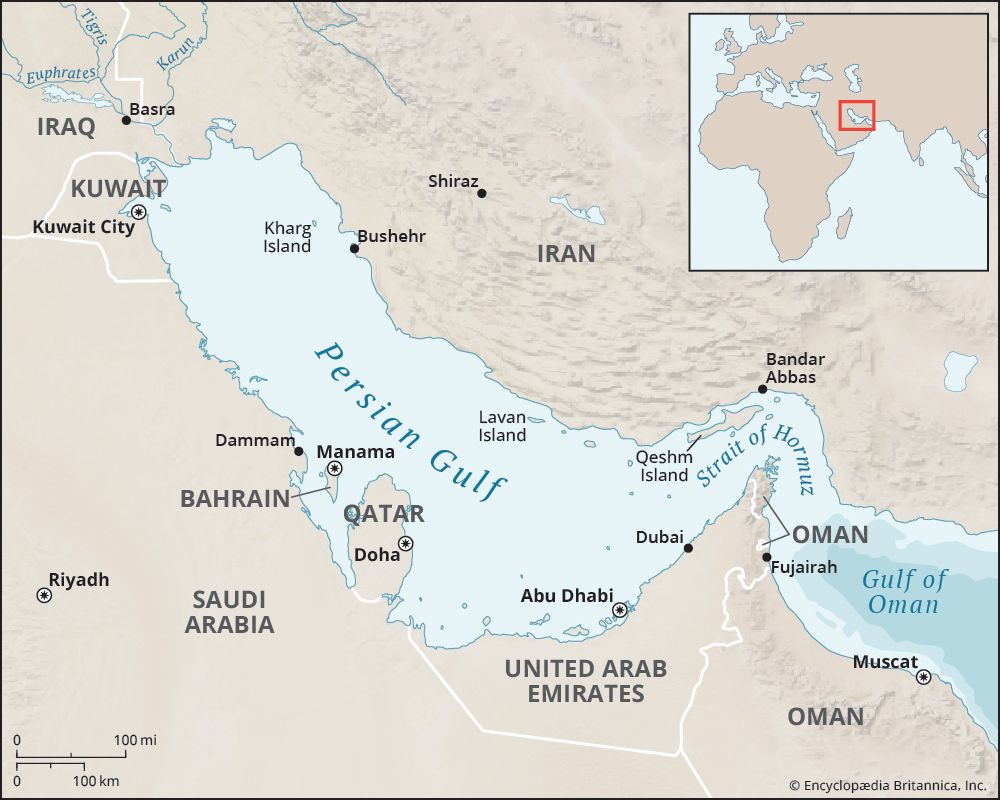
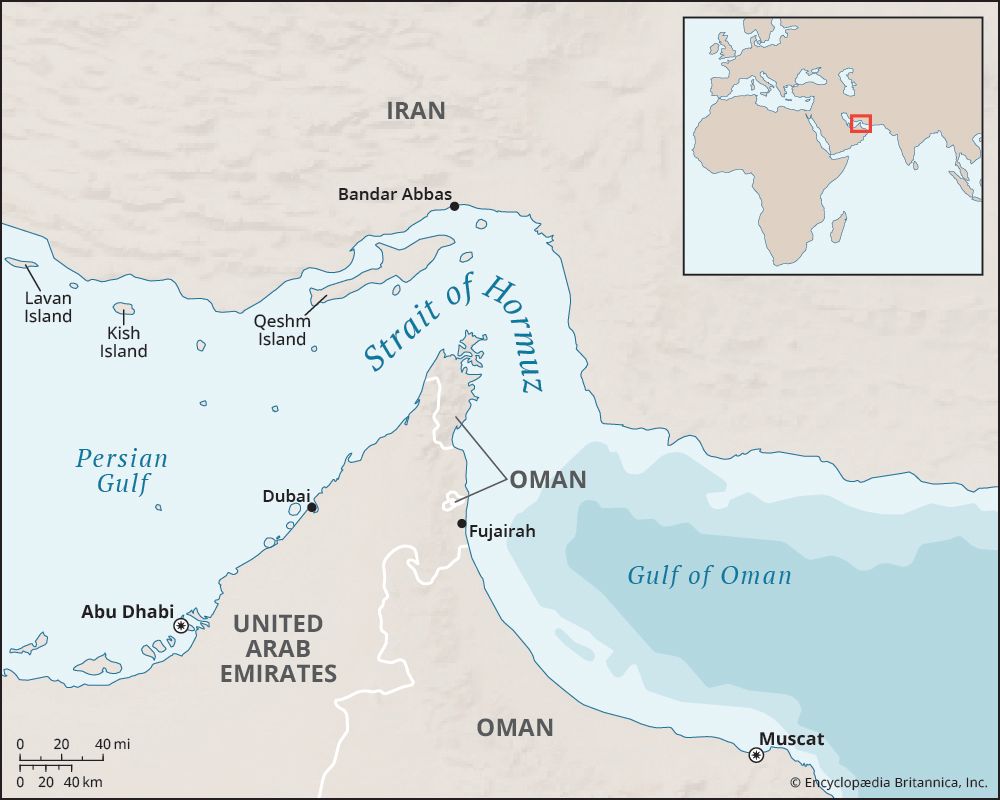
Qeshm Island is the largest island in the Persian Gulf, belonging to Iran. Located in the Strait of Hormuz, it lies approximately 14 miles from the port city…
What is Qeshm Island?
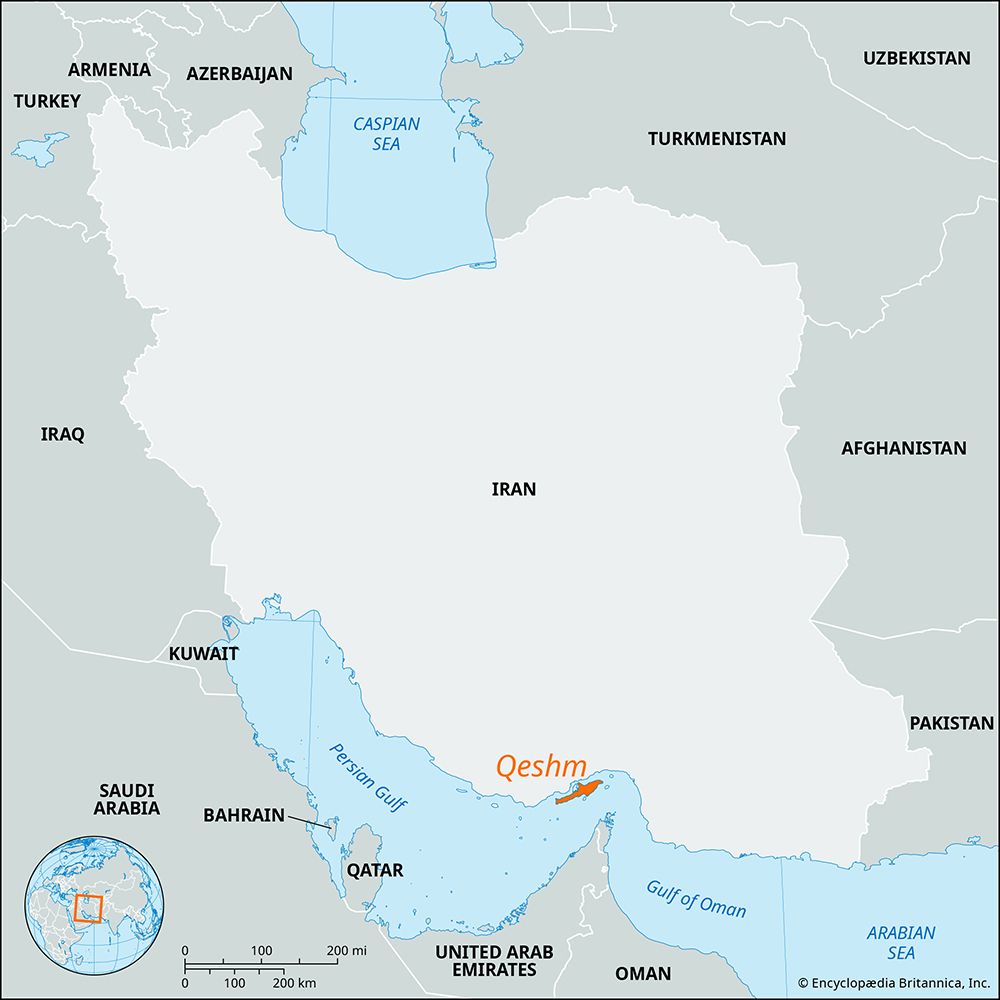
Qeshm Island is the largest island in the Persian Gulf, belonging to Iran. Located in the Strait of Hormuz, it lies approximately 14 miles from the port city of Bandar Abbas.12
The island features an irregular, rocky coastline with sandy bays and mud flats. Its interior is characterized by table-topped hills, with the peak Kīsh Kūh reaching 1,331 feet. While largely barren, the island supports agriculture, including dates and cereals, alongside fishing and weaving.12
Historically, Qeshm served as a vital trade hub and was contested by various powers, including the Portuguese, British, and Dutch, before being fully incorporated into the Iranian state in the 20th century. Today, it holds significant strategic importance; the Islamic Revolutionary Guard Corps maintains naval facilities and missile silos on the island, providing Iran with leverage over the Strait of Hormuz.2
Why is the Strait of Hormuz important for global trade?
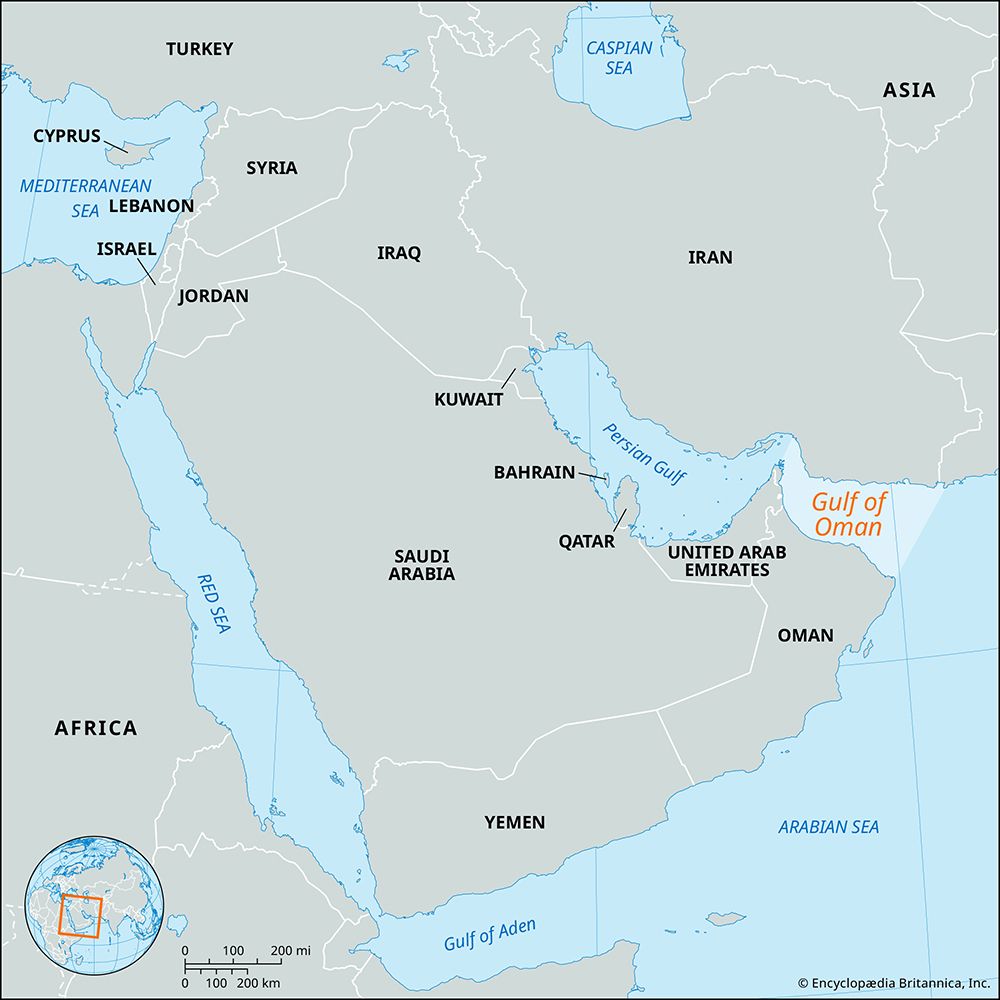
The Strait of Hormuz is a critical maritime chokepoint for the global economy, serving as the only sea channel linking the oil-rich Persian Gulf to the Gulf of Oman and the Arabian Sea.45
Its importance stems from the following factors:
- Energy Supply: More than 20 percent of global crude oil and liquefied natural gas exports pass through the strait daily. It is the primary export route for major producers, including Iran, Iraq, Kuwait, Qatar, and the United Arab Emirates.45
- Lack of Alternatives: Unlike other shipping lanes, the Strait of Hormuz lacks logistically viable alternatives. While some pipelines exist, they can only divert a small fraction of the total volume exported by sea; replacing tanker shipments with land transport is not feasible due to the massive scale required.6
- Global Market Impact: Because the demand for petroleum has low price elasticity, even minor disruptions in the strait can cause global price surges for energy and other commodities, such as fertilizers and aluminum.5
What are some unique geological features of the Persian Gulf islands?
The islands of the Persian Gulf exhibit a variety of unique geological characteristics shaped by tectonic forces, sedimentation, and the region’s warm, saline environment.
Salt Domes and Plugs
Many islands in the gulf are formed by salt domes, which occur when thick, buried salt deposits flow upward due to gravitational and tectonic pressure. These structures often pierce through overlying sedimentary strata, creating distinct geological features. In Iranian salt domes, the salt is frequently mixed with anhydrite, marl, and large blocks of limestone and igneous rock.178
Coastal and Surface Features
- Topography: Islands like Qeshm are characterized by irregular, rocky coastlines interspersed with sandy bays and mud flats. The interior of Qeshm features table-topped hills, with peaks such as Kīsh Kūh reaching 1,331 feet.910
- Sedimentation: The seafloor and coastal areas are heavily influenced by the precipitation of calcium carbonate. This process, combined with skeletal debris from marine life, creates hardened rock formations and coastal sands that enclose lagoons.1
- Evaporites: High temperatures and salinity levels lead to the formation of extensive coastal salt flats, known as sabkhas, where minerals like sodium chloride and calcium sulfate precipitate. minerals like sodium chloride and calcium sulfate precipitate.10
How did the Portuguese and British influence the history of the Persian Gulf?
The Portuguese and British played pivotal roles in shaping the history of the Persian Gulf through their pursuit of maritime dominance and trade control.
Portuguese Influence
In the early 16th century, the Portuguese sought to establish a strategic command of the Indian Ocean to control the spice trade and undermine the Ottoman Empire. Under the leadership of Afonso de Albuquerque, they captured Hormuz in 1515, establishing a fortified base that allowed them to dominate regional sea-lanes for over a century. Their presence was characterized by a focus on trade, religious missionizing, and the use of superior naval cannonry to suppress local competition.138
British Influence
The British presence, primarily managed by the East India Company, grew as they challenged and eventually dismantled Portuguese hegemony. In 1622, joint Anglo-Persian forces captured Hormuz, ending Portuguese control. Over the 19th century, Britain solidified its influence by signing treaties with local rulers, such as the 1820 and 1861 agreements with Bahrain. These treaties established British protectorates, where Britain assumed responsibility for defense and foreign relations to suppress piracy and prevent the influence of rival powers. This colonial-era involvement persisted until the late 1960s, when Britain withdrew its forces, leading to the independence of several gulf states.14815
Sources
- Qeshm Island: Top Questions — Encyclopædia Britannica
- Qeshm — Merriam-Webster
- Qeshm Island — Encyclopædia Britannica
- Strait of Hormuz: Top Questions — Encyclopædia Britannica
- How Much Oil Passes Through the Strait of Hormuz? — Encyclopædia Britannica
- Strait of Hormuz — Encyclopædia Britannica
- Hormuz: Top Questions — Encyclopædia Britannica
- Hormuz — Encyclopædia Britannica
- Persian Gulf - Geology — Encyclopædia Britannica
- Persian Gulf - Physiography — Encyclopædia Britannica
- salt dome - Origin of salt domes. — Encyclopædia Britannica
- salt dome - Physical characteristics of salt domes. — Encyclopædia Britannica
- Why Is It Called the Persian Gulf? — Encyclopædia Britannica
- Bahrain - The British protectorate — Encyclopædia Britannica
- India - The Portuguese — Encyclopædia Britannica
- East India Company - Early activities — Encyclopædia Britannica
- British raj - Background — Encyclopædia Britannica
- history of the United Arab Emirates - Alignment among the Persian Gulf countries — Encyclopædia Britannica
Published on · 3 min read