Strait of Hormuz
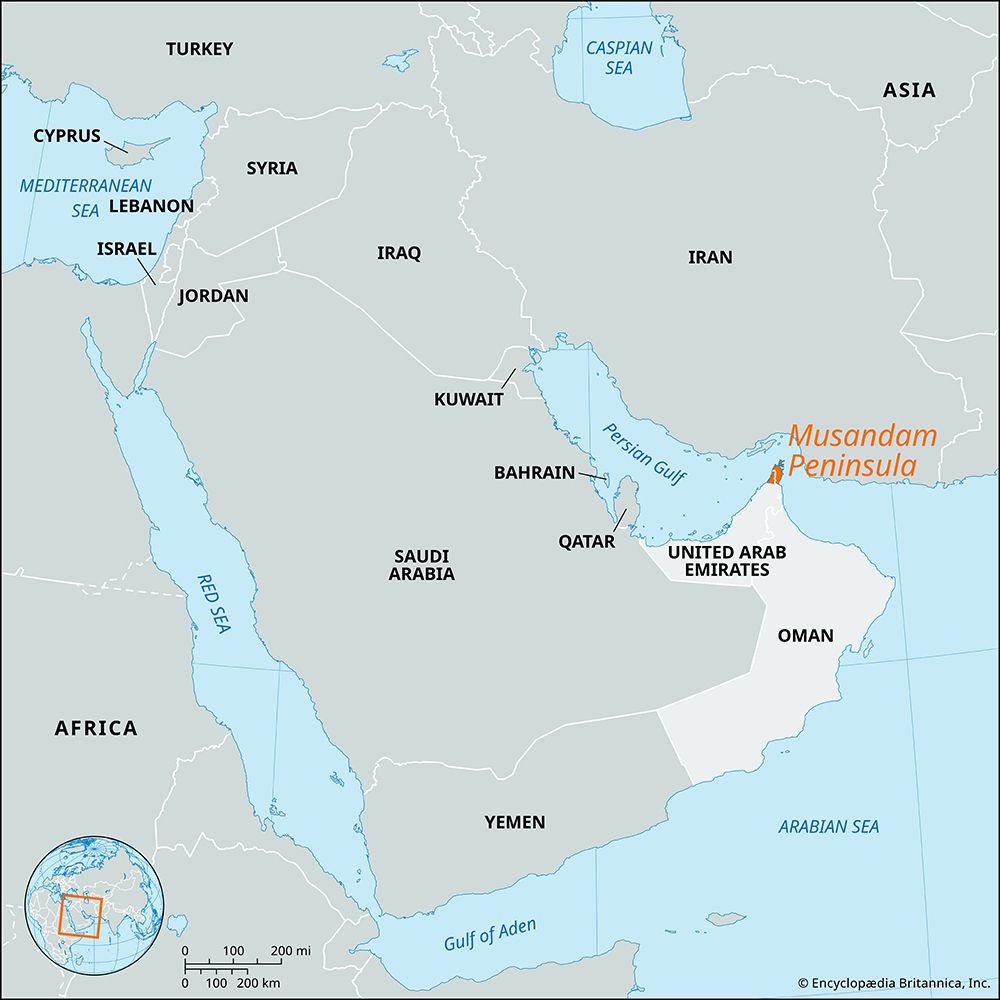
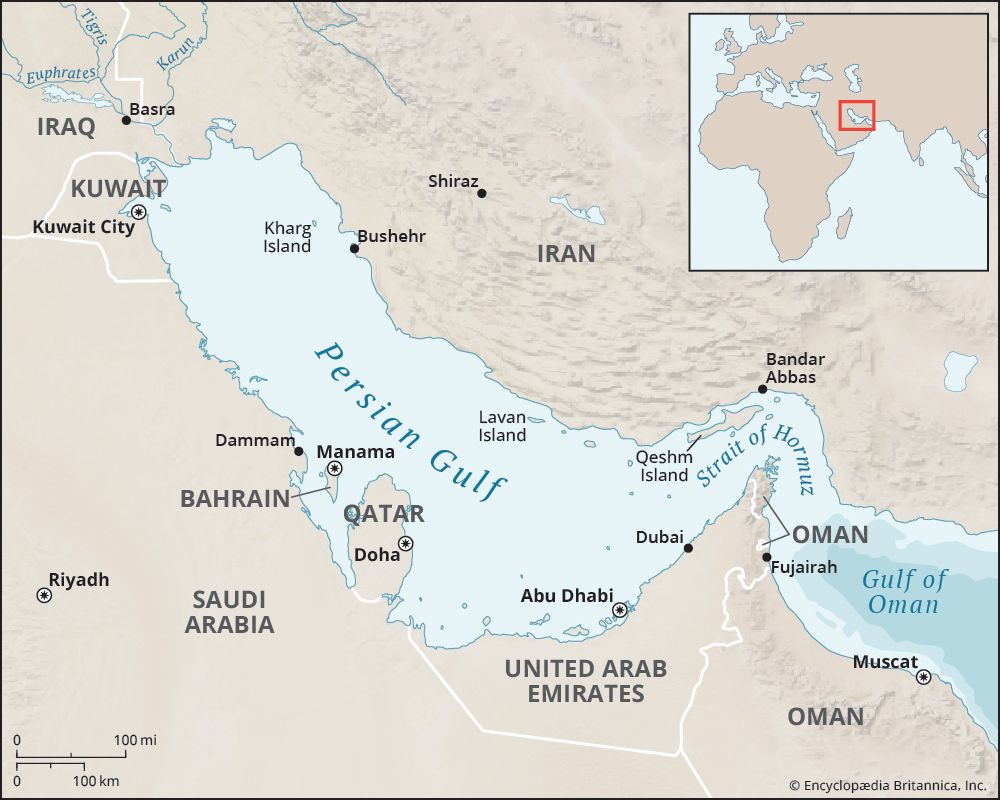
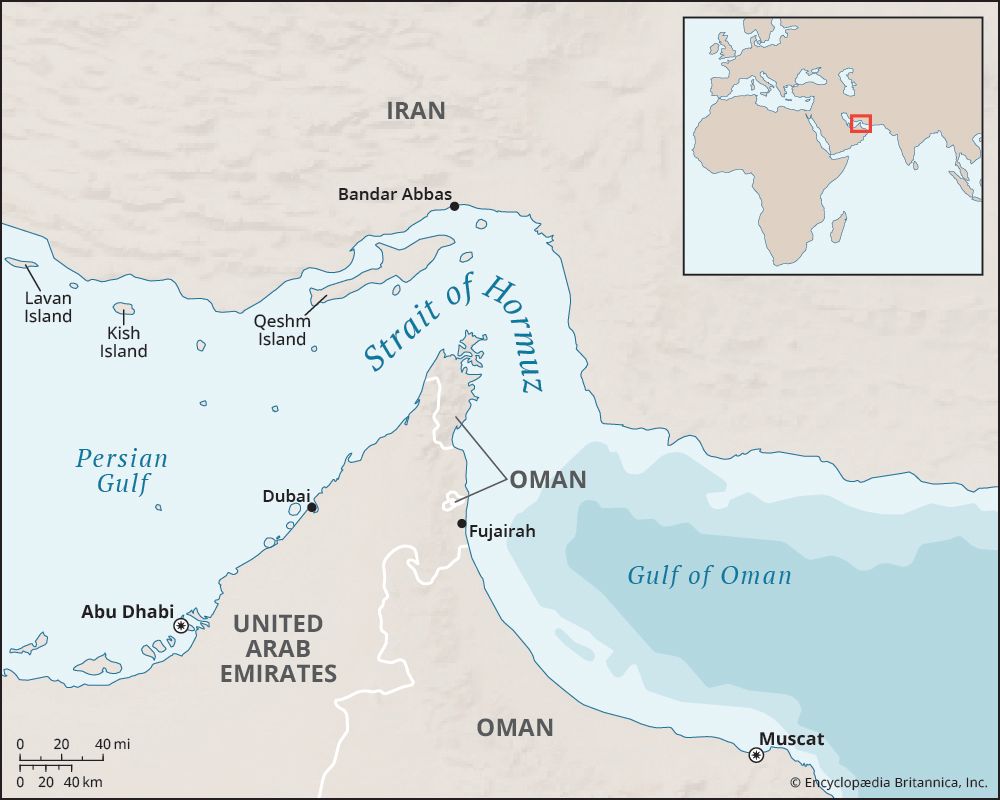
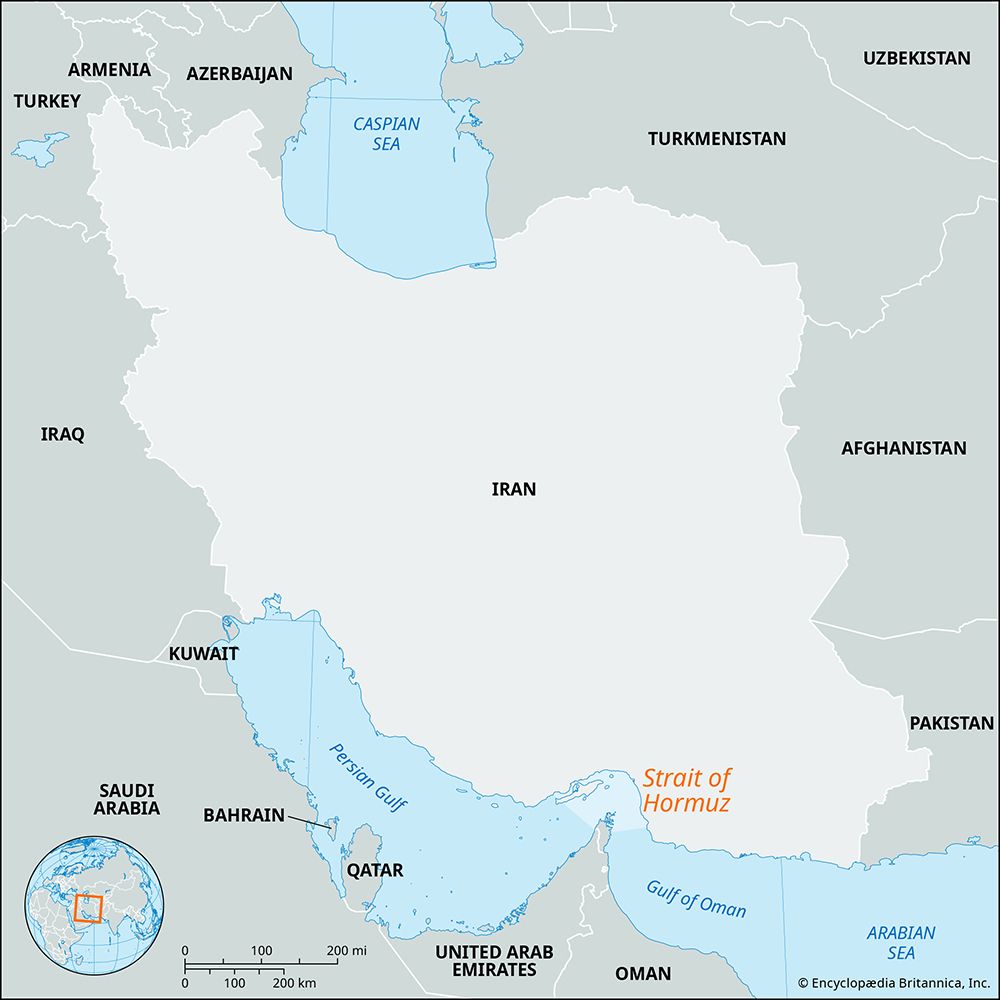
The Strait of Hormuz is a vital maritime chokepoint located between Iran to the north and the Musandam Peninsula of Oman to the south.
Where is the Strait of Hormuz located and what bodies of water does it connect?
The Strait of Hormuz is a vital maritime chokepoint located between Iran to the north and the Musandam Peninsula of Oman to the south.1
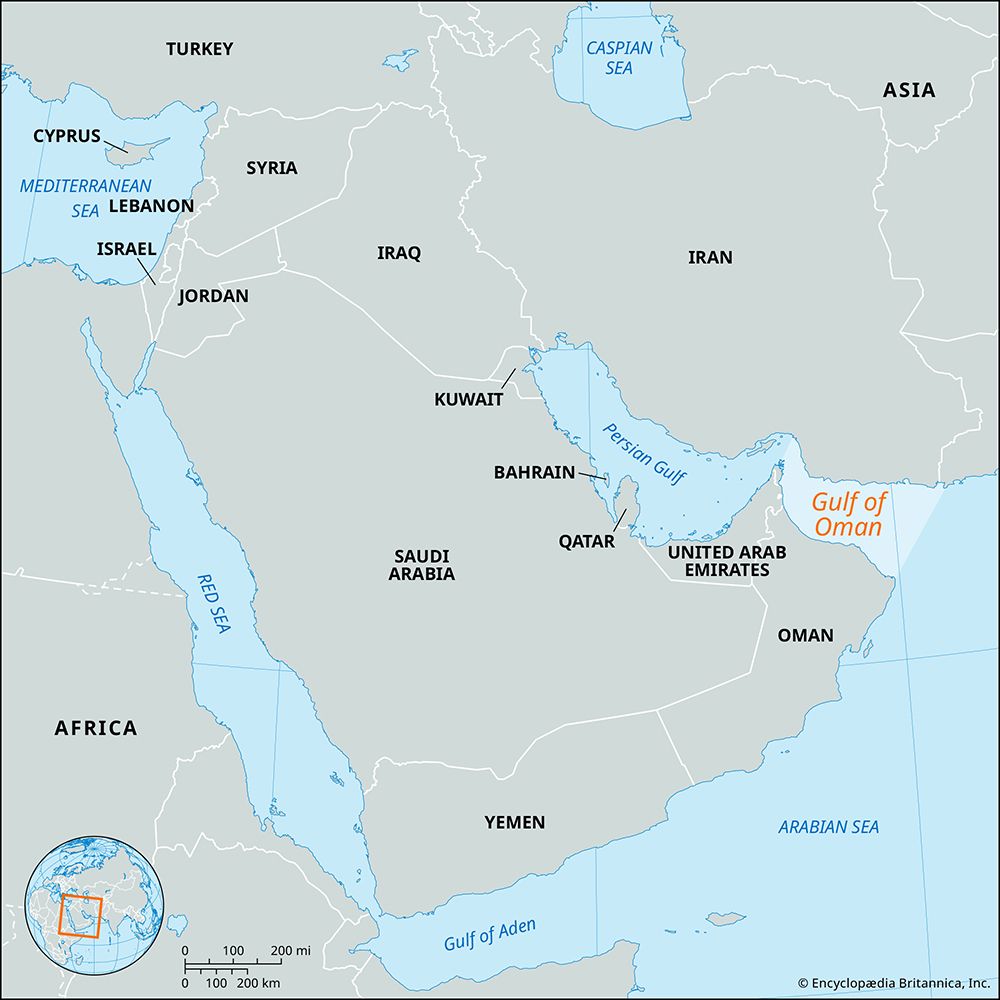
It serves as the only sea channel connecting the Persian Gulf in the west to the Gulf of Oman and the Arabian Sea in the southeast. Because it is the primary gateway for oil and liquefied natural gas exports from major producers such as Iran, Iraq, Kuwait, Qatar, and the United Arab Emirates, it is considered one of the most strategically significant passages for the global economy.213
Why is the Strait of Hormuz strategically important for global trade and oil transportation?
The Strait of Hormuz is one of the world’s most critical maritime chokepoints, serving as the essential gateway for oil and liquefied natural gas exports from the Persian Gulf to the rest of the world.13
Strategic Importance
- Volume of Trade: Approximately 25 percent of the world’s maritime oil trade—roughly 20.3 million barrels per day—passes through this narrow channel.4
- Lack of Alternatives: Unlike other shipping routes, the Strait of Hormuz lacks logistically viable alternatives. While some countries like Saudi Arabia and the United Arab Emirates have pipelines to divert a portion of their exports, the vast majority of regional production must transit by sea.4
- Global Economic Impact: Because global oil prices are highly sensitive to supply disruptions, any threat to the strait—such as the tensions observed during the 2026 Iran war—can cause immediate price surges and fuel shortages, particularly in Asia, which receives about four-fifths of these exports.43
The strait’s vulnerability stems from its narrow shipping lanes, which are governed by international maritime law but remain subject to the asymmetric leverage of bordering nations.3
How wide is the Strait of Hormuz at its narrowest point?
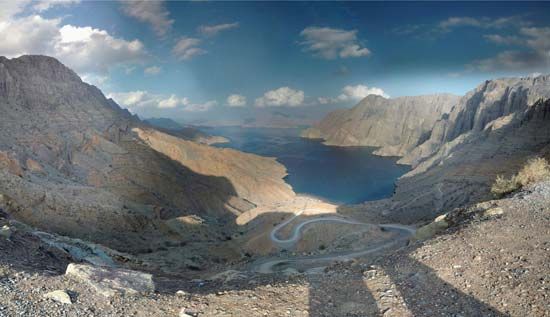
The Strait of Hormuz measures between 35 and 60 miles (55 to 95 km) in width.14
How has the importance of the Strait of Hormuz changed over time with shifts in global energy needs?
The strategic importance of the Strait of Hormuz has evolved from a regional maritime passage into a critical global economic chokepoint, driven by the world’s increasing reliance on petroleum and liquefied natural gas exports from the Persian Gulf.13
Evolution of Strategic Significance
- Centralization of Energy Supply: As global energy needs grew, the strait became the primary outlet for major producers including Iran, Iraq, Kuwait, Qatar, Saudi Arabia, and the United Arab Emirates. Today, approximately 25 percent of the world’s maritime oil trade—over 20 million barrels per day—transits this narrow channel.34
- Asymmetric Leverage: Unlike other chokepoints, the Strait of Hormuz lacks logistically viable alternatives. While some nations have developed pipelines to divert a portion of their exports to the Red Sea or the Gulf of Oman, the vast majority of regional production remains dependent on sea transit. This reality has transformed the strait into a focal point for geopolitical tension, where the mere threat of disruption—as seen during the the strait into a focal point for geopolitical tension, where the mere threat of disruption—as seen during the 2026 Iran war—can trigger immediate global price surges and fuel shortages, particularly in Asia.343
- Security and Governance: The historical shift toward reliance on this route has necessitated a constant international security presence. From the Tanker War in the 1980s to modern naval standoffs, the U.S. Navy and other international actors have consistently intervened to guarantee safe passage, reflecting the strait’s status as a vital artery for the global economy.3
Sources
- Strait of Hormuz: Top Questions — Encyclopædia Britannica
- Hormuz: Top Questions — Encyclopædia Britannica
- How Much Oil Passes Through the Strait of Hormuz? — Encyclopædia Britannica
- Strait of Hormuz — Encyclopædia Britannica
- 2026 Iran war - Global economic impact and the disruption in the Strait of Hormuz — Encyclopædia Britannica
Published on · 3 min read