Ragweed
Ragweed (genus Ambrosia) is a group of approximately 40 species of weedy plants, most of which are native to North America. These plants are characterized as…
What is ragweed and which plant family does it belong to?
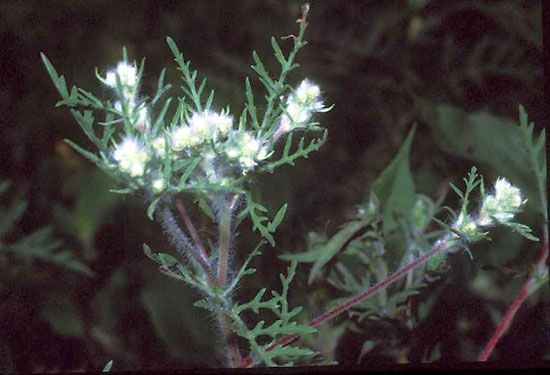
Ragweed (genus Ambrosia) is a group of approximately 40 species of weedy plants, most of which are native to North America1. These plants are characterized as coarse annuals or perennials featuring rough, hairy stems and lobed or divided leaves.1
Ragweed belongs to the aster family, known as Asteraceae belongs to the aster family, known as Asteraceae. It is widely recognized for producing large quantities of pollen in late summer, which serves as a primary cause of hay fever across much of North America. While many species are considered troublesome weeds, some, such as A. peruviana, have been utilized in traditional medicine for their anti-inflammatory and analgesic properties.12
What are the distinguishing characteristics of ragweed plants?
Ragweed plants (genus Ambrosia) are distinguished by several key physical and reproductive characteristics:
- Growth Habit: They are coarse annuals or perennials that often grow as weeds. Stems are typically rough and hairy.1
- Foliage: The leaves are generally lobed or divided. For example, common ragweed features thin, much-divided leaves, while giant ragweed has distinct three- to five-lobed leaves.1
- Flowers: The plants produce inconspicuous, greenish, unisexual flowers arranged in small heads. Male flowers are found in terminal spikes, while female flowers are located in the upper leaf axils.1
- Pollination: Unlike many members of the Asteraceae family that rely on insects, ragweeds are wind-pollinated. They release copious amounts of pollen in late summer, which is a primary cause of hay fever.13
How many species of ragweed are there, and where are they commonly found?
The genus Ambrosia, commonly known as ragweed, consists of approximately 40 species of weedy plants.1
While the majority of these species are native to North America, their distribution varies by specific type:
- Common Ragweed (A. artemisiifolia): Found across the North American continent.1
- Great or Giant Ragweed (A. trifida): Native to a wide range spanning from Quebec to British Columbia and southward to Florida, Arkansas, and California.1
- Western or Perennial Ragweed (A. psilostachya): Common throughout much of North America and has naturalized in regions of South America, Europe, Asia, and Australia.1
- Burroweed (A. dumosa): Found in the desert regions of western North America, specifically within creosote communities.1
- Other species: A. peruviana is native to Central and South America.1
Are there any beneficial uses of ragweed, despite its reputation as a problematic plant?
While ragweed is primarily recognized as a troublesome weed and a major source of hay fever, it does have some documented beneficial uses. Specifically, the Central and South American species Ambrosia peruviana is utilized in traditional medicine for its properties as an anti-inflammatory and analgesic.1
It is important to note that while the genus Ambrosia is often associated with the term “ambrosia”—which historically refers to the food or perfume of the gods in Greek and Roman mythology—this is a linguistic coincidence and does not imply that the ragweed plant itself is edible or pleasing in that context.4
Sources
- Ragweed — Encyclopædia Britannica
- ragweed — Merriam-Webster
- Asteraceae - Pollination — Encyclopædia Britannica
- ambrosia — Merriam-Webster
- Asterales - Asteraceae — Encyclopædia Britannica
Published on · 2 min read