Rhamphorhynchus
Rhamphorhynchus is a genus of pterosaur—a type of flying reptile—that lived during the Late Jurassic Period, approximately 159 million to 144 million years…
What is Rhamphorhynchus?
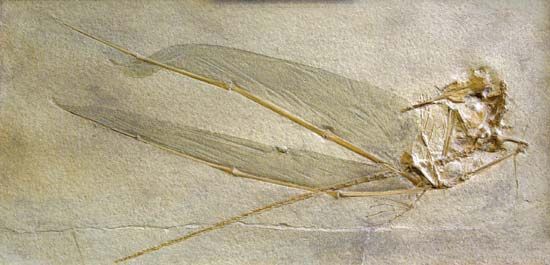
Rhamphorhynchus is a genus of pterosaur—a type of flying reptile—that lived during the Late Jurassic Period, approximately 159 million to 144 million years ago.1
Key characteristics of this creature include:
- Physical Structure: It measured about 50 cm (20 inches) in length and featured a long skull with large eyes and nostrils set back on the beak.1
- Tail: It possessed an elongated tail that ended in a distinctive diamond-shaped rudder, which likely aided in flight stability.12
- Diet: Its teeth were slender, slanted forward, and interlocked, suggesting it was adapted for catching and eating fish.12
- Wings: Its wing membranes were supported by an elongated fourth finger and likely attached near the hind limbs.1
Fossils of this genus have been discovered in Europe, providing significant insight into the anatomy of early flying reptiles.1
How did pterosaurs differ from birds?
While both pterosaurs and birds are archosaurs capable of flight, they are distinct groups with significant anatomical differences.3
- Wing Structure: The most notable difference lies in the wing design. In birds, the wing surface is formed by feathers. In contrast, pterosaur wings consisted of a skin membrane supported primarily by an elongated fourth finger. While pterosaurs possessed fine, keratinous fibers within their wings for strength, they lacked the complex, branched feathers found in birds.3
- Biological Classification: Pterosaurs were flying reptiles that lived during the Mesozoic Era and are not classified as dinosaurs. Birds, however, are the only surviving descendants of the dinosaur lineage.34
- Evolutionary Origin: While both groups evolved wings, they did so independently. Recent research indicates that some pterosaurs possessed branching, featherlike structures called pycnofibres, suggesting that the origin of simple, filamentous keratin structures predated both groups in a common ancestor.4
- Anatomy: Pterosaurs were the first vertebrates to fly. Unlike birds, which use all fingers except the thumb to support their wings, pterosaurs relied on a single, highly elongated digit.3
What other creatures lived during the Late Jurassic Period?
The Late Jurassic Period was dominated by archosaurs, a group that includes dinosaurs, pterosaurs, and crocodiles.6
Terrestrial Life
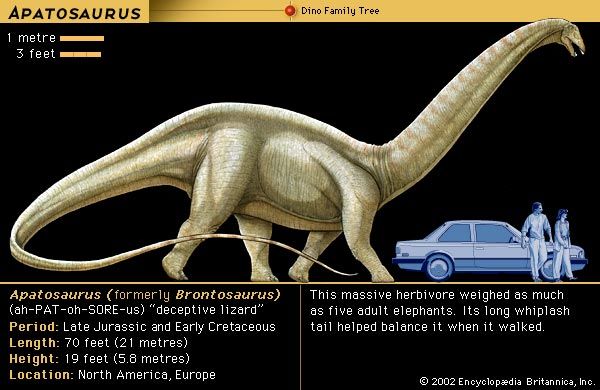
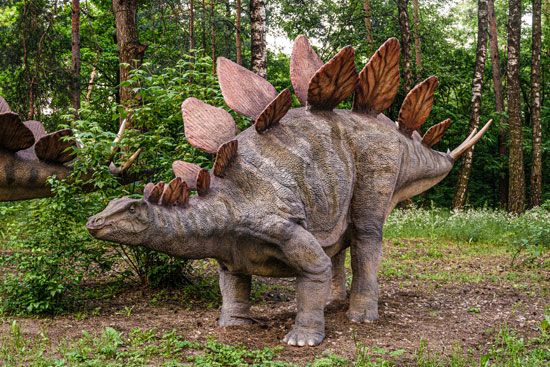
- Dinosaurs: This era saw the peak diversity and size of sauropods, such as Apatosaurus. Theropods like Allosaurus served as major predators, while ornithischians included armored forms like Stegosaurus.6
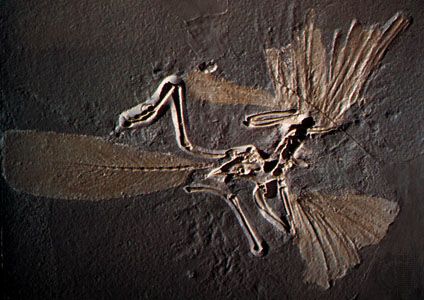
- Early Birds: The first bird fossils, such as the feathered Archaeopteryx, appeared during this time.67
- Other Vertebrates: Small, squirrel-sized mammals were present but rare. Other reptiles, including turtles and modern forms of lizards, also inhabited the landscape.6
Marine Life
The oceans were home to a complex array of life, including:
- Marine Reptiles: Ichthyosaurs, large pliosaurs, and elasmosaurs were common.89
- Fish: Chondrichthians (sharks) and bony fishes were abundant, including the massive Leedsichthys.89
- Invertebrates: The seafloor featured an abundance of mollusks, ammonites, and coral reef builders.7
How do fossils help scientists understand how pterosaurs flew?
Fossils provide critical evidence that allows scientists to reconstruct how pterosaurs achieved and maintained flight. By analyzing skeletal remains, researchers have identified several key adaptations:
- Wing Anatomy: Fossilized remains reveal that pterosaur wings were supported by an elongated fourth finger, with an accessory membrane between the shoulder and wrist to reduce turbulence. The discovery of fine, parallel keratinous fibers embedded within these membranes suggests a structure designed for strength and maneuverability.5
- Skeletal Structure: Pterosaur bones were hollow and thin-walled, which kept the animal’s weight low while maintaining the structural integrity necessary to resist the aerodynamic forces of flight.35
- Muscular Attachments: Fossils show large breastbones and reinforced shoulder girdles, which provided the necessary anchor points for the powerful muscles required for flight.3
- Flight Mechanics: The size and shape of these fossils suggest different flight styles. For instance, the massive wingspan of Pteranodon indicates it was likely a soarer rather than a frequent flapper, relying on sea breezes for takeoff.3
Sources
- Rhamphorhynchus — Encyclopædia Britannica
- Rhamphorhynchus — Merriam-Webster
- pterosaur — Encyclopædia Britannica
- Did Dinosaurs Really Have Feathers? — Encyclopædia Britannica
- Pteranodon — Encyclopædia Britannica
- Jurassic Period - Vertebrates — Encyclopædia Britannica
- Jurassic Period - Vertebrates — Encyclopædia Britannica
- Jurassic Period - Jurassic life — Encyclopædia Britannica
- Jurassic Period - Marine life — Encyclopædia Britannica
Published on · 3 min read