River Don
There are three distinct rivers known as the River Don:
What is River Don?
There are three distinct rivers known as the River Don:
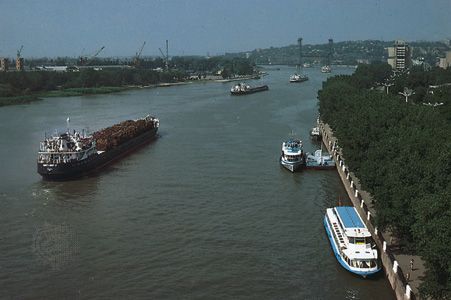
- Russia: The Don River is a major waterway in the European portion of Russia. Rising in the Central Russian Upland, it flows 1,162 miles to the Sea of Azov. It is historically significant for the Don Cossacks and is now a vital economic artery, featuring the Tsimlyansk Reservoir and the Volga–Don Ship Canal.1
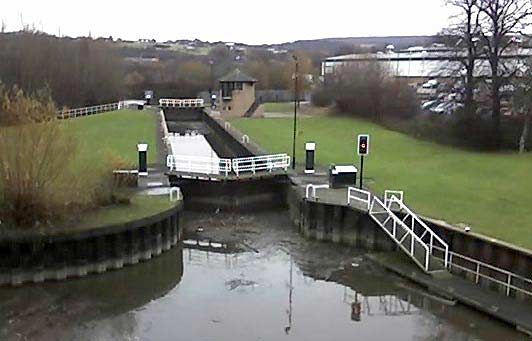
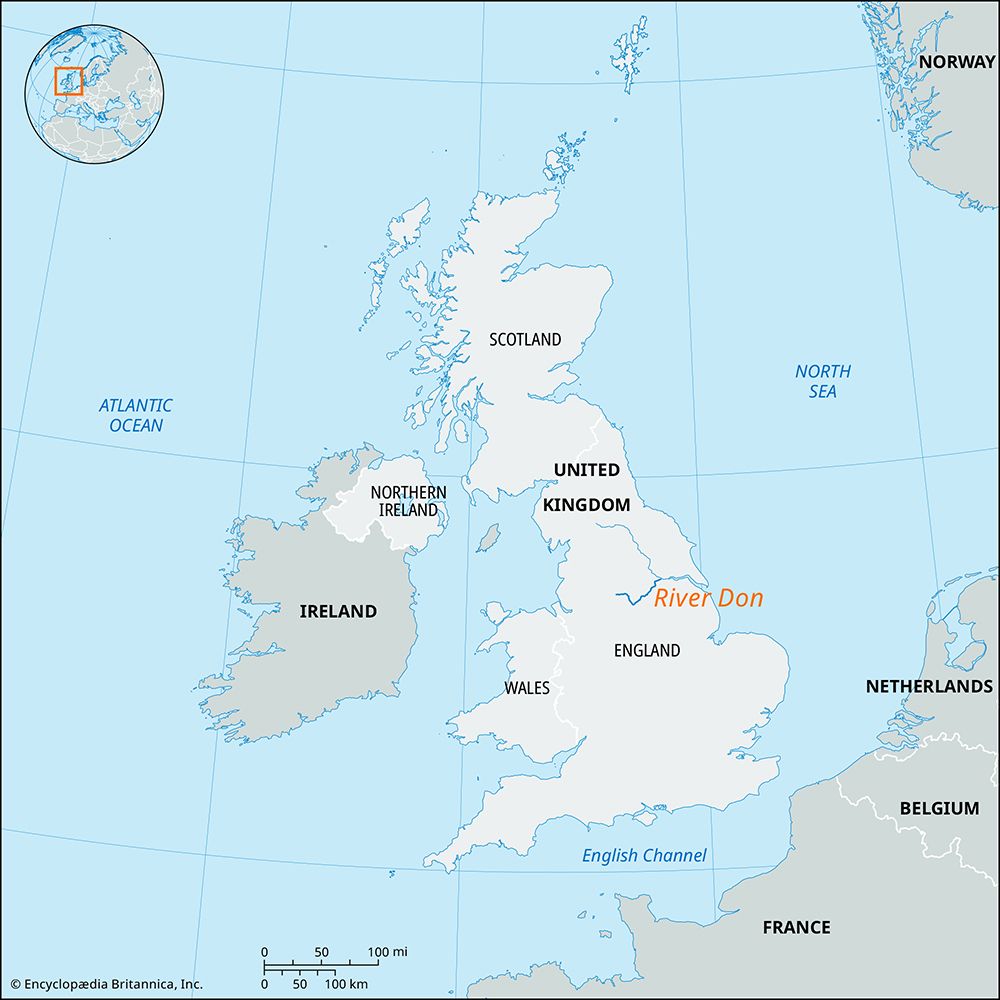
- England: The River Don rises in the Pennine range and flows 70 miles through South Yorkshire. It passes through Sheffield, a historic steelmaking hub, and Doncaster before joining the Ouse at Goole.2
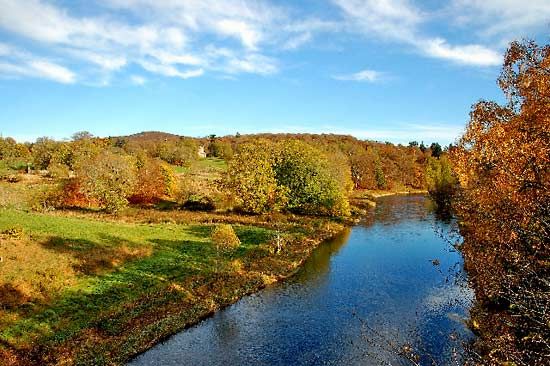
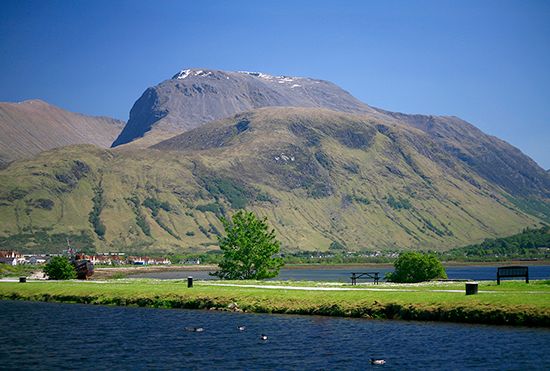
- Scotland: The River Don is an 82-mile river in Aberdeenshire. It originates in the Grampian Mountains and flows eastward to the North Sea at Aberdeen, passing through agricultural lowlands.3
Who were the Don Cossacks and what was their role in Russian history?
The Don Cossacks were a self-governing military community that emerged in the Don River region by the late 15th century. Originally composed of peasants fleeing serfdom in Muscovy, Poland, and Lithuania, they established independent societies based on equality and communal landholding.4
Their role in Russian history was multifaceted:
- Frontier Defense and Expansion: The Russian government granted them privileges in exchange for military service, utilizing them as frontier defenders and as the vanguard for the Russian Empire’s eastward expansion, including the conquest of Siberia.4
- Rebellion: When their autonomy was threatened, they led major uprisings against the state, most notably under leaders like Stenka Razin and Yemelyan Pugachov.4
- State Integration: Over time, the Russian state curtailed their independence, eventually requiring 20 years of military service from all males and appointing their leaders.4
- Modern Era: During the Russian Civil War, they largely supported the White armies. Today, they have resumed a relationship with the Russian state, acting as auxiliaries, though their involvement in conflicts like the annexation of Crimea and their enforcement of conservative codes have drawn criticism from human rights organizations.4
How does the Volga-Don Ship Canal connect different parts of Russia?
The Volga–Don Ship Canal serves as a critical link between the Volga River and the Don River in southwestern Russia, connecting the two waterways at their closest point.5
By bridging these rivers, the canal integrates the upper Volga, the Kama River, and the Urals regions into a broader network of inland waterways. This connection provides these inland areas with access to oceanic commerce via the Don River, which flows into the Sea of Azov and the Black Sea.5
Furthermore, the canal is part of a larger integrated system that connects the Volga to the Baltic Sea and the Moscow River, effectively linking the Volga to the entire waterway system of eastern Europe. The canal facilitates the transport of essential goods, with timber moving west and coal moving east being the primary cargoes.25
What are the main differences between the rivers named Don in England, Scotland, and Russia?
The rivers named Don in England, Scotland, and Russia differ significantly in scale, geography, and economic function.
River Don (England)
Located in South Yorkshire, this river rises in the Pennine range and flows for approximately 70 miles (110 km). It is historically significant for its role in the industrial development of Sheffield, serving as the heart of a major steelmaking district, and Doncaster, a center for coal mining.1
River Don (Scotland)
This river flows through Aberdeenshire in northeastern Scotland. Rising in the Grampian Mountains, it travels 82 miles (132 km) eastward before emptying into the North Sea at Aberdeen. Unlike the industrial English Don, its lower reaches are primarily characterized by agriculture and livestock raising.2
Don River (Russia)
The Russian Don is a major continental waterway, spanning 1,162 miles (1,870 km). It flows through the steppe zones of southwestern Russia into the Sea of Azov. It is distinguished by its massive drainage basin, its historical association with the Don Cossacks, and extensive 20th-century engineering projects, such as the Tsimlyansk Reservoir and the Volga–Don Ship Canal, which integrate it into a vast national transport network.37
Sources
Published on · 3 min read