River Spey
The River Spey is a prominent river in Scotland that flows for approximately 107 to 110 miles (172 to 177 km) northeast across the Highlands before entering…
What is River Spey?
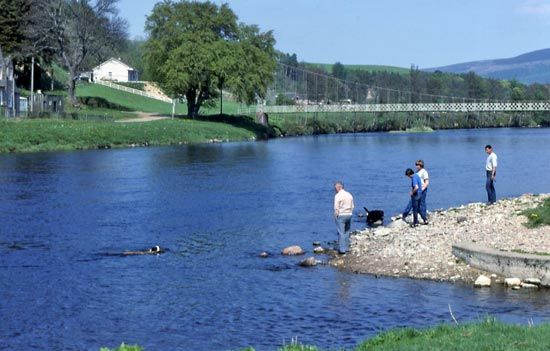
The River Spey is a prominent river in Scotland that flows for approximately 107 to 110 miles (172 to 177 km) northeast across the Highlands before entering the North Sea at the Moray Firth.12
Rising at an elevation of about 1,150 feet (350 meters) in the Corrieyairack Forest, the river is fed by tributaries originating in the Monadhliath Mountains, the Grampian Mountains, and the Cairngorms. As it travels through its lower valley, known as Strathspey, the river winds through expansive terraces and reaches the sea via a shifting mouth located on a shingle spit between the towns of Buckie and Lossiemouth.1
The River Spey is widely recognized for two primary features: it is highly esteemed for its salmon fishing, and its surrounding valley is renowned for hosting high-quality whisky distilleries.1
What makes the River Spey famous for salmon fishing?
The River Spey is celebrated for salmon fishing primarily due to its unique physical characteristics and pristine environment. As a major river flowing through the Scottish Highlands, it provides an ideal habitat for Atlantic salmon, supported by its diverse network of tributaries originating from the Monadhliath Mountains, the Grampian Mountains, and the Cairngorms.1
The river’s lower valley, known as Strathspey, features a dynamic landscape of sweeping terraces and a shifting mouth at the North Sea, which creates varied conditions that are highly favorable for salmon migration and spawning. While the river is globally recognized for this sport, its reputation is further enhanced by the high-quality water and environment of the surrounding valley, which is also famous for its world-renowned whisky distilleries.1
How does the geography of the Scottish Highlands affect the river’s flow?
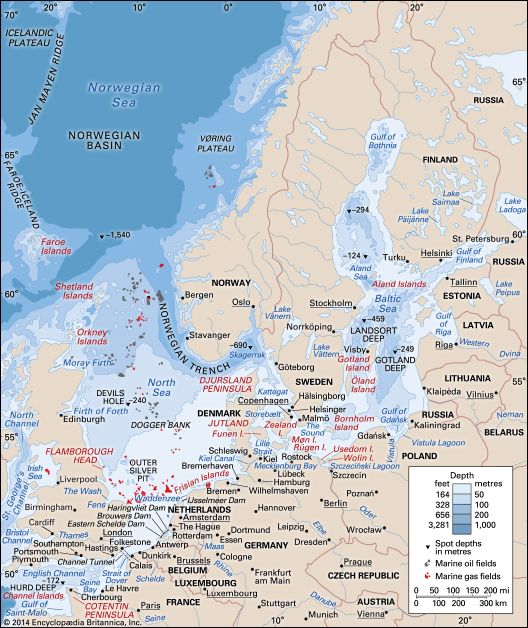
The geography of the Scottish Highlands fundamentally dictates the course and character of the River Spey. Approximately 50 million years ago, an eastward tilting of the Highlands established a primary watershed near the west coast, which forces the Spey and other major rivers to drain in an eastward or northeastward direction toward the North Sea.1
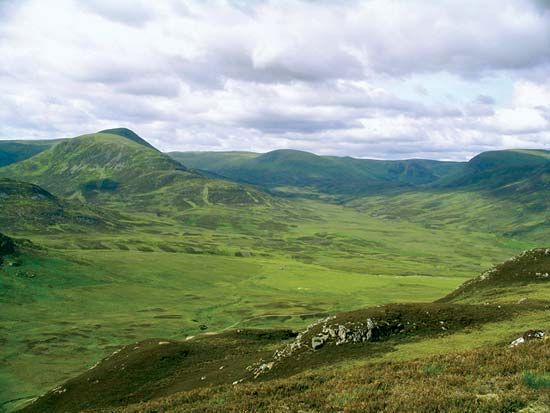
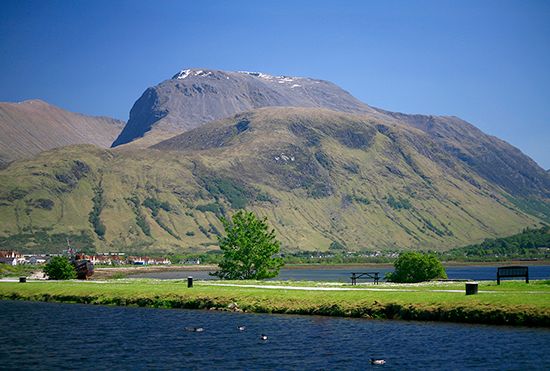
The river originates at an elevation of about 1,150 feet in the Corrieyairack Forest, gathering its flow from tributaries that carve through the Monadhliath Mountains, the Grampian Mountains, and the Cairngorm Mountains. As the river descends into its lower valley, known as Strathspey, the landscape transitions into a series of expansive terraces. These features are remnants of the region’s glacial history, where rivers evolved from braided channels to the meandering patterns seen today as they adjusted to post-glacial conditions. Ultimately, the river’s path is defined by this rugged, glaciated terrain, leading it to its final outlet across a shingle spit into the sea.34
Why is the Strathspey region ideal for producing whisky?
The Strathspey region is internationally recognized for its high-quality Scotch whisky production, a reputation deeply tied to the geography of the River Spey valley. While the provided search results highlight that the region is a center for whisky distilling, they do not specify the exact environmental or chemical factors that make the area uniquely ideal for the process.
The industry is a vital component of the local economy in the Highland council area, where food processing and distilling serve as primary industrial activities. Today, whisky remains one of Scotland’s leading exports, with distilleries in the Highlands and the northeast maintaining the country’s global fame for the spirit despite the decline of other traditional heavy industries.16
Sources
- River Spey — Encyclopædia Britannica
- Spey — Merriam-Webster
- Scotland - Drainage — Encyclopædia Britannica
- Pleistocene Epoch - Fluvial environments — Encyclopædia Britannica
- Scotland - Relief of Scotland — Encyclopædia Britannica
- Scotland - Manufacturing — Encyclopædia Britannica
- Highland — Encyclopædia Britannica
Published on · 2 min read