River Tay
The River Tay is the longest river in Scotland, spanning approximately 120 miles (193 km) from its source on the northern slopes of Ben Lui to the North Sea…
What is River Tay?
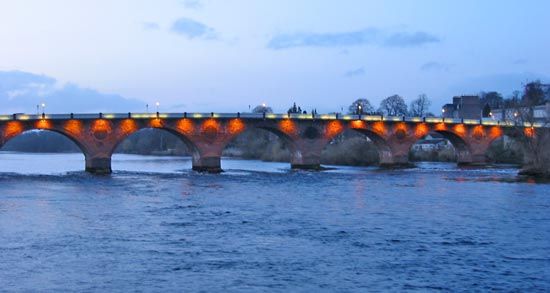
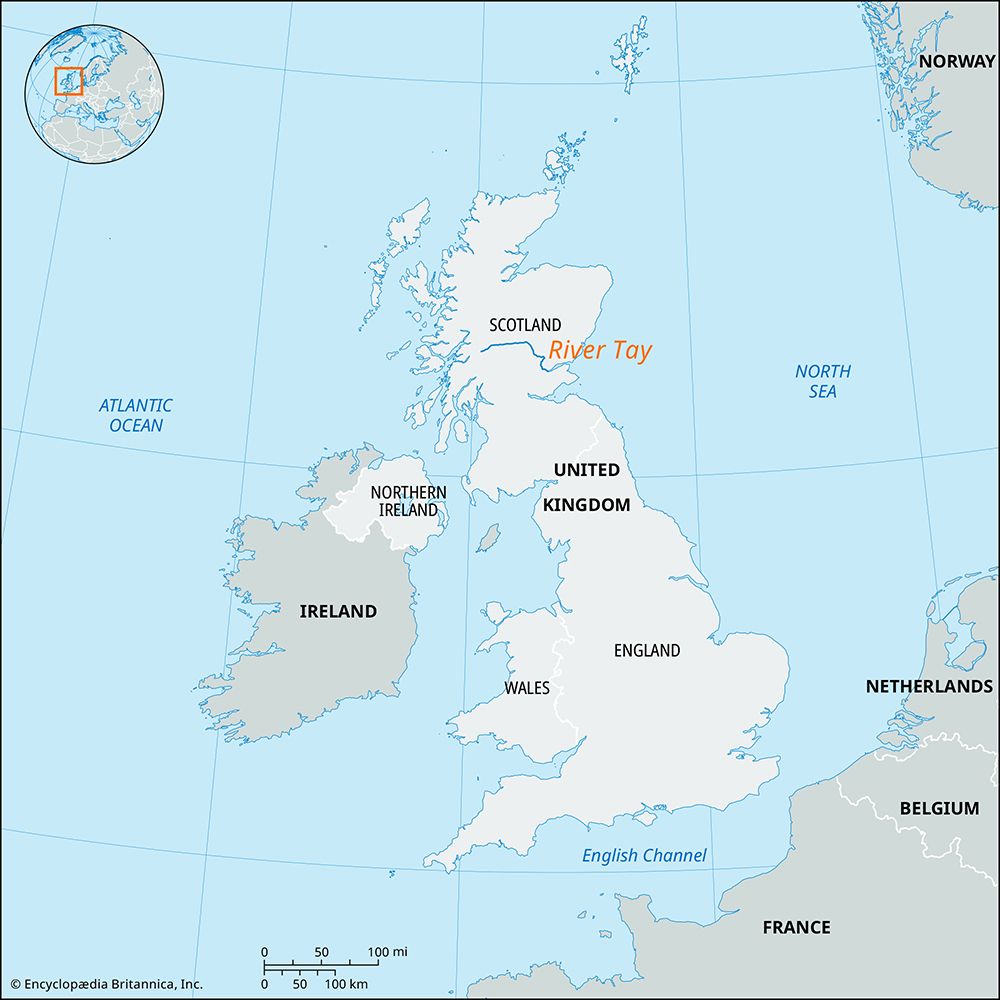
The River Tay is the longest river in Scotland, spanning approximately 120 miles (193 km) from its source on the northern slopes of Ben Lui to the North Sea below Dundee. It possesses the largest drainage area in Scotland, covering 2,400 square miles (6,216 square km).12
The river’s headwaters, known as the Fillan and Dochart, flow into Loch Tay, a significant body of water in the Grampian Mountains. Upon exiting the loch at Kenmore, the river is joined by several tributaries, including the Lyon and the Earn, as well as the outfall from the Tummel-Garry Hydroelectric Scheme, which assists in flood management. Ultimately, the river reaches the sea through the Firth of Tay.132
What is a firth and how does it relate to the River Tay?
A firth is a term primarily used in Scotland to describe an estuary, which is a part of a body of water that extends beyond the general shoreline. It is synonymous with terms such as a bay, inlet, or fjord.45
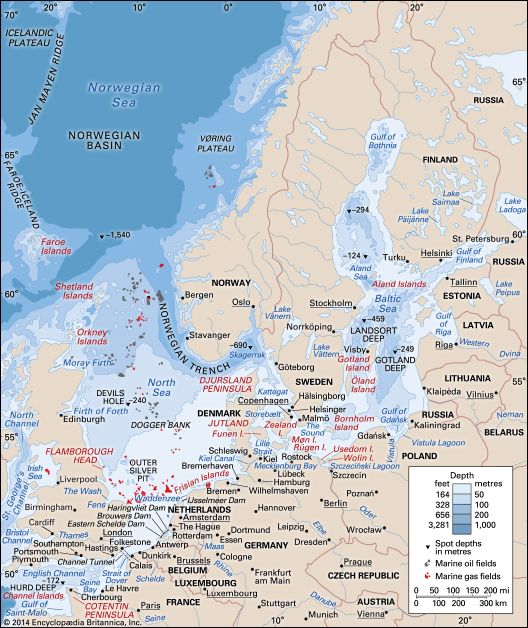
Regarding the River Tay, the term refers to the specific geographical feature where the river meets the sea. As the River Tay flows 120 miles across east-central Scotland, it eventually empties into the North Sea through the Firth of Tay. This firth serves as the tidal mouth of the river, marking the transition from the freshwater river system to the marine environment.12
How do hydroelectric schemes impact river ecosystems?
Hydroelectric schemes, primarily facilitated by the construction of dams, significantly alter river ecosystems by transforming natural landscapes into managed environments. These impacts include:67
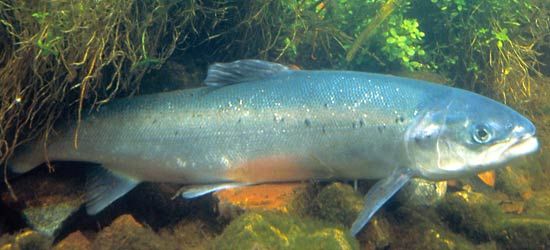
- Disruption of Migratory Fish: Dams act as physical barriers that block or impede the movement of spawning fish. While technologies like fish passes—such as fish ladders and locks—are used to help salmon and other species navigate these structures, they have not always been sufficient to prevent dramatic population declines.86
- Sediment Retention: Reservoirs created by dams trap a significant portion of a river’s sediment load. This prevents natural sediment transport downstream, which can negatively affect habitats at the river mouth and along the coast.9
- Habitat Inundation and Displacement: The creation of large reservoirs often leads to the flooding of vast areas, resulting in the loss of terrestrial flora and fauna, as well as the displacement of human communities.6
- Flow Alteration: By regulating water for power generation and flood control, these schemes change the natural flow regimes of rivers, which can disrupt the ecological balance of riparian zones.96
What are some other major rivers in Scotland?
Scotland features several significant rivers that shape its landscape and history. Beyond the River Tay, some of the most notable include:
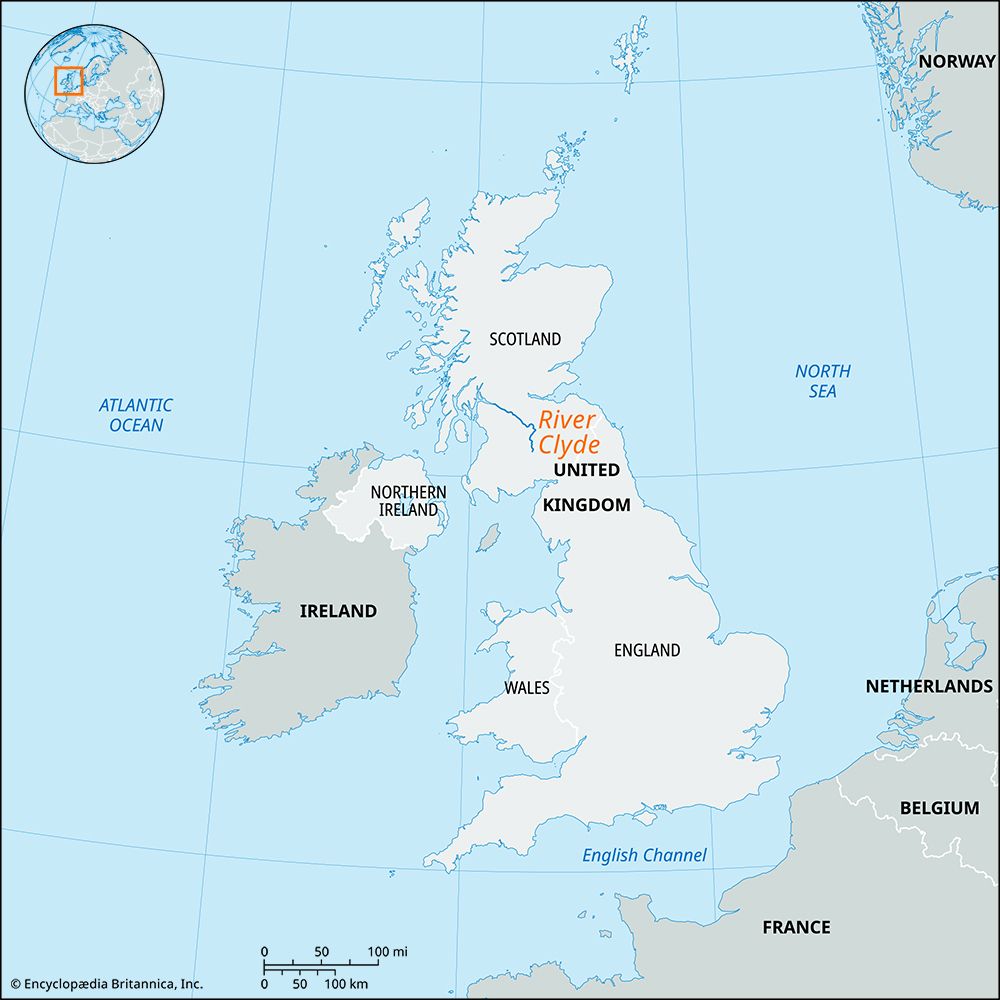
- River Clyde: Scotland’s most famous river, flowing 106 miles to the Atlantic. It was historically vital for shipbuilding and industry in Glasgow.
- River Spey: A 107-mile river flowing northeast through the Highlands. It is renowned for its salmon fishing and the high-quality whisky distilleries found in its valley.
- River Tweed: Flowing 97 miles through the Scottish Borders, it forms part of the border with England before entering the North Sea.
- River Dee: Rising in the Cairngorm Mountains, this 90-mile river flows east to Aberdeen and is also famous for its salmon.
Other notable waterways include the River Don, as well as the Nith and Annan, which flow south into the Solway Firth.
Sources
- River Tay — Encyclopædia Britannica
- Tay — Merriam-Webster
- Scotland - Drainage — Encyclopædia Britannica
- firth — Merriam-Webster
- firth — Merriam-Webster
- dam - Fish passes — Encyclopædia Britannica
- river - Environments of deposition — Encyclopædia Britannica
- dam - Rise of environmental and economic concerns — Encyclopædia Britannica
- Did you know? — Merriam-Webster
- River Dee — Encyclopædia Britannica
- River Tweed — Encyclopædia Britannica
- River Spey — Encyclopædia Britannica
- River Clyde — Encyclopædia Britannica
Published on · 3 min read