River Dee
There are multiple rivers in the United Kingdom named the River Dee:
What is River Dee?
There are multiple rivers in the United Kingdom named the River Dee:
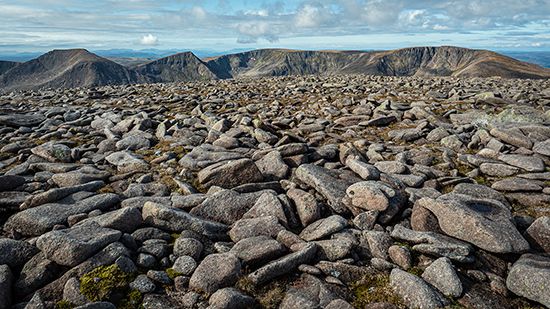
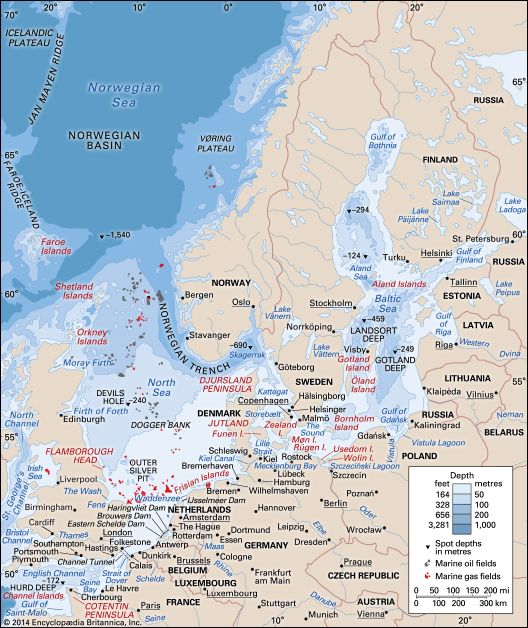
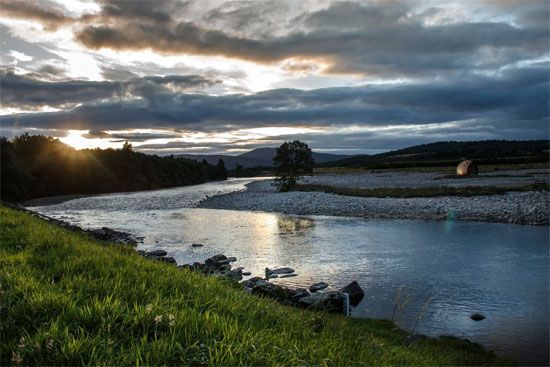
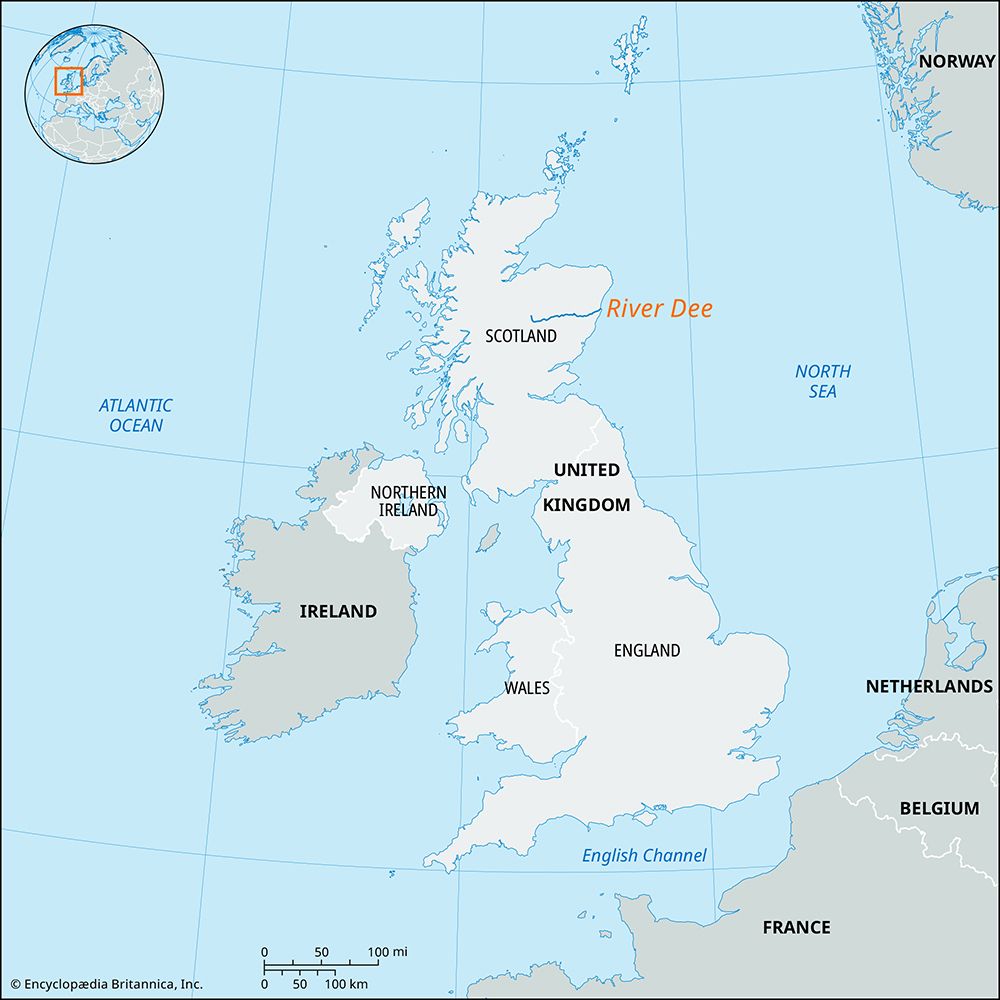
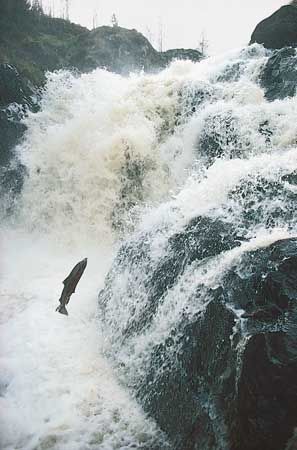
- River Dee (Aberdeenshire, Scotland): This river rises in the Cairngorm Mountains at an elevation of over 4,000 feet and flows approximately 90 miles east to the North Sea at Aberdeen. It is well known for its salmon population.1
- River Dee (Wales and England): Approximately 70 miles long, this river rises in Snowdonia National Park in Wales. It flows through the Vale of Llangollen, meanders across the Cheshire plain, and eventually reaches the Irish Sea via a wide, shallow estuary.234
- River Dee (Southern Scotland): A third, shorter river approximately 50 miles long that flows south into the Solway Firth.3
How do rivers like the Dee shape the surrounding landscape?
Rivers like the River Dee are primary agents of landscape evolution, constantly reshaping the Earth’s surface through the dual processes of erosion and deposition.
Erosion and Valley Formation
Most river valleys, including the canyons and gorges carved by rivers, are created by the rivers themselves. As a river flows, it cuts into the bedrock, creating distinct topographic forms. The size of a valley is generally proportional to the size of the river, though this can be influenced by the underlying geology. In the upper reaches of rivers like the Dee, the water often flows turbulently through highland glens, actively incising the landscape.561
Deposition and Floodplains
As rivers reach flatter terrain, their energy decreases, leading to the deposition of sediment. This process creates floodplains, which are relatively flat surfaces adjacent to the channel.57
- Lateral Accretion: As a river meanders, it erodes the outside of its bends while depositing sediment on the inside, forming features like point bars. Over time, this lateral movement creates complex topography such as meander scrolls.8
- Vertical Accretion: During floods, rivers overflow their banks, depositing fine sediment across the floodplain surface. This process builds up natural levees and helps manage peak water discharge by providing temporary storage.87
Through these continuous actions, rivers transform nondescript geologic settings into dynamic, evolving landscapes.5
What are the main differences between the Scottish and Welsh River Dees?
The Scottish and Welsh rivers named the River Dee differ significantly in their geography, course, and destination:
- Location and Course: The Scottish River Dee rises in the Cairngorm Mountains and flows approximately 90 miles eastward across Aberdeenshire to the North Sea at Aberdeen. In contrast, the Welsh River Dee rises in Snowdonia National Park, flows for about 70 miles through Wales and England, and eventually empties into the Irish Sea.123
- Topography: The Scottish Dee is characterized by turbulent headwaters in highland glens before widening into farmland. The Welsh Dee features a more varied path, falling rapidly to Bala Lake, passing through the Vale of Llangollen, and meandering across the Cheshire plain before being confined to an artificial channel near Chester.12
- Estuary: The Welsh Dee is notable for its large, shallow estuary, which contains extensive sand and marshlands. The Scottish Dee flows directly into the North Sea at Aberdeen.21
Why are salmon populations important to river ecosystems?
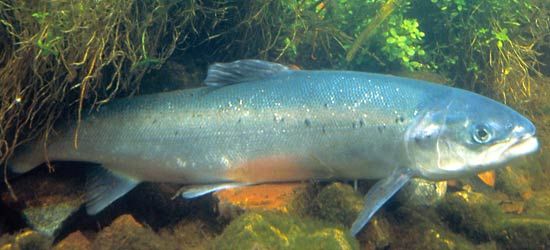
Salmon play a vital role in river ecosystems, primarily through their life cycle and migration patterns. As anadromous fish, they serve as a critical biological link between the ocean and freshwater environments.12
While the provided search results focus heavily on the biological mechanics of salmon migration, spawning, and their status as a food source for various wildlife, they do not explicitly detail the broader ecological functions salmon perform within river systems, such as nutrient cycling or their specific impact on habitat health. The available information notes that salmon populations have historically been abundant and are a key component of river life, with their presence being a subject of significant conservation concern due to declining numbers.13
Because the provided knowledge base does not contain specific details regarding the broader ecological contributions of salmon to river ecosystems, I cannot provide a comprehensive explanation of those specific interactions.
Sources
- River Dee — Encyclopædia Britannica
- River Dee — Encyclopædia Britannica
- Dee — Merriam-Webster
- United Kingdom - Drainage — Encyclopædia Britannica
- river - Rivers as agents of landscape evolution — Encyclopædia Britannica
- river - Valleys and canyons — Encyclopædia Britannica
- Wales - Drainage — Encyclopædia Britannica
- river - Floodplain deposits, origins, and features — Encyclopædia Britannica
- river - Floodplains — Encyclopædia Britannica
- River Don — Encyclopædia Britannica
- River Wye — Encyclopædia Britannica
- Why do salmon die after spawning? — Encyclopædia Britannica
- salmon — Encyclopædia Britannica
- Migration - Anadromous fish — Encyclopædia Britannica
- Columbia River - Plant and animal life — Encyclopædia Britannica
Published on · 3 min read