Rock Cress
It is a common misconception to conflate rock cress with other edible members of the Brassicaceae family. While many plants commonly referred to as…
Are there any medicinal or culinary uses for rock cress?
It is a common misconception to conflate rock cress with other edible members of the Brassicaceae family. While many plants commonly referred to as “cress”—such as watercress or garden cress—are valued for their culinary uses in salads and seasonings, rock cress (genus Arabis) is primarily cultivated as an ornamental plant.12
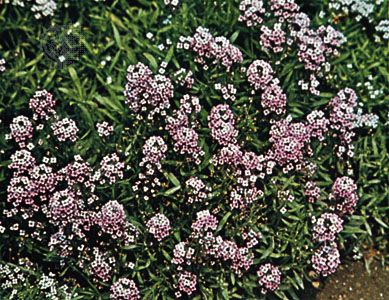
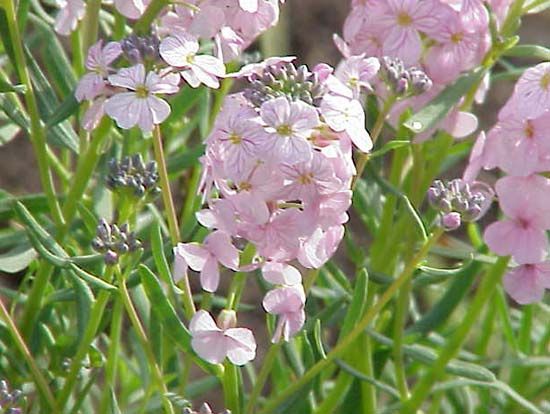
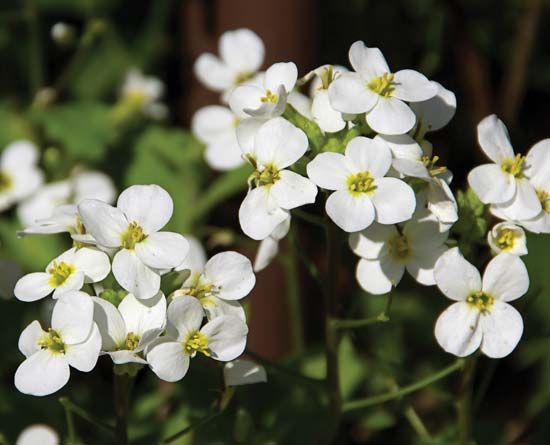
Rock cress is prized in gardening for its attractive, fragrant flowers, which bloom in shades of white, pink, or purple, making it a popular choice for rock gardens and landscape displays. There is no evidence in the provided information to suggest that rock cress possesses culinary or medicinal applications similar to those of its edible relatives.12
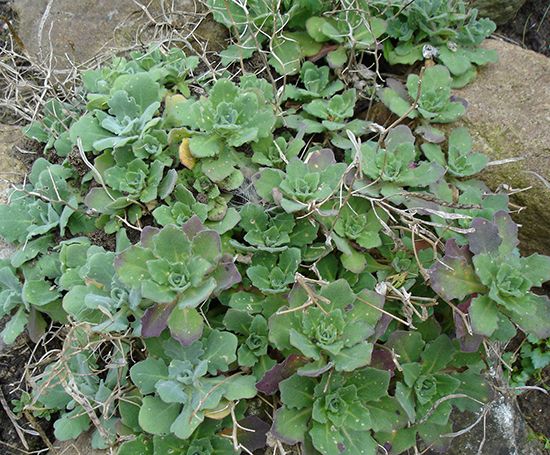
How do rock cress plants reproduce and spread in their natural habitats?
Rock cress plants, belonging to the genus Arabis, reproduce and spread primarily through the production of seeds housed in characteristic long, narrow seedpods known as siliques.13
These plants are well-adapted to their environments, often thriving in rocky or sandy soils throughout the Northern Hemisphere and mountainous regions of Africa. While the specific mechanisms for their seed dispersal—such as wind, gravity, or animal interaction—are not detailed in the provided texts, the presence of these siliques is a defining reproductive feature of the genus. As members of the Brassicaceae family, they utilize these structures to protect and eventually release their seeds to colonize new areas within their native habitats.13
In what types of habitats do rock cress plants typically grow?
Rock cress plants, belonging to the genus Arabis, are widely distributed throughout the Northern Hemisphere and are also found in the mountainous regions of Africa.1
These plants are well-adapted to environments characterized by rocky or sandy soils, a trait reflected in their etymology. In addition to these natural settings, many species are frequently cultivated in human-made environments, such as rock gardens, where they are valued for their ability to form mats or mounds and their attractive, fragrant flowers. Some species, such as the Alpine rock cress, are specifically noted for their prevalence in these garden settings.4125
What is rock cress and to which plant family does it belong?
Rock cress refers to a genus of approximately 120 species of herbs known as Arabis. These plants are members of the mustard family, scientifically classified as Brassicaceae.1
Typically found throughout the Northern Hemisphere and in mountainous regions of Africa, these plants are often characterized by their erect or mound-forming growth habits. They are well-known for their four-petaled flowers—which can appear in shades of white, pink, or purple—and their production of long, narrow seedpods called siliques. While many species are native to rocky or sandy environments, several are popular in cultivation, such as the Alpine rock cress, which is frequently used in rock gardens. It is worth noting that many species previously categorized under Arabis in North America have been reassigned to the genus Boechera.1
Sources
Published on · 2 min read