San Juan River
The San Juan River in the southwestern United States features several significant tributaries located primarily in northwestern New Mexico. These include:
What are the major tributaries of the San Juan River?
The San Juan River in the southwestern United States features several significant tributaries located primarily in northwestern New Mexico. These include:
This 360-mile-long river originates in the San Juan Mountains of Colorado and eventually flows into the Colorado River in southeastern Utah. Please note that while there is also a San Juan River in Argentina, it is a distinct geographical feature and not the river associated with these specific tributaries.123
What is the total length of the San Juan River, and how does it compare to other major rivers in the United States?
The San Juan River has a total length of 360 miles (580 km).1
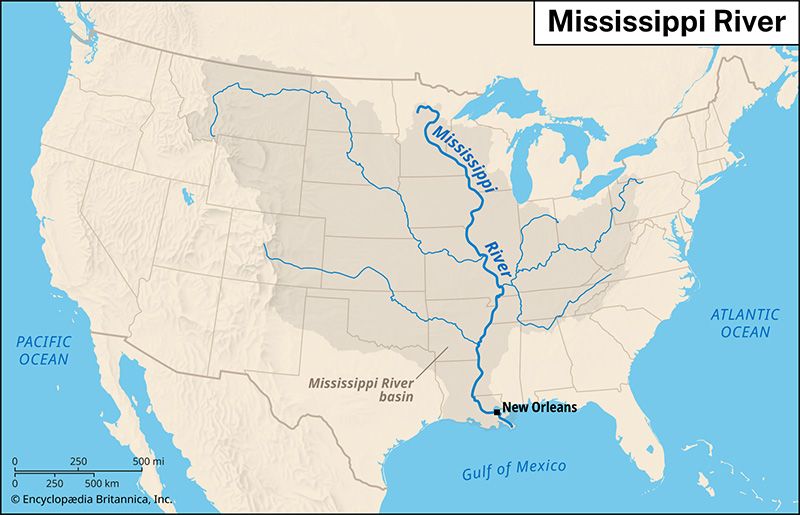
While it is a significant waterway in the southwestern United States, it is relatively short compared to the continent’s major river systems. For context, North America is home to some of the longest rivers in the world, such as the Mississippi River, which serves as the primary artery for a vast drainage network. Other major rivers originating in the Rocky Mountains, such as the Colorado River, the Columbia River, and the Yukon River, flow over much greater distances to reach the Pacific Ocean. Unlike these massive continental systems that drain vast plains and interior lowlands, the San Juan is a tributary that eventually feeds into the Colorado River.41
Where does the San Juan River originate, and which states does it flow through?
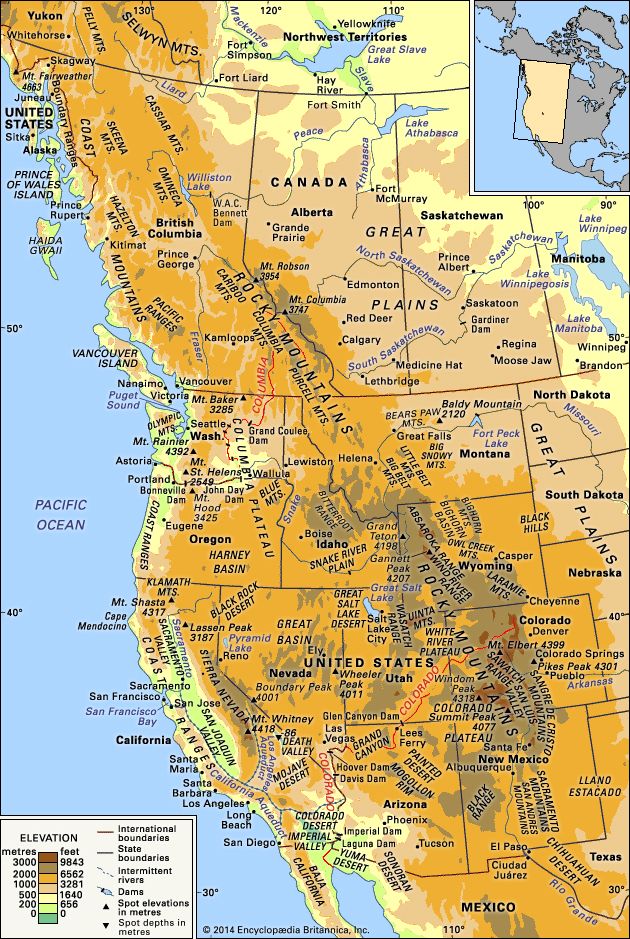
The San Juan River originates in the San Juan Mountains of southern Colorado, situated on the west side of the Continental Divide. From its headwaters, the river flows southwest into New Mexico, continues northwest into Utah, and eventually travels west to join the Colorado River near the Rainbow Bridge National Monument in southeastern Utah.1
What role does the San Juan River play in the Colorado River system?
The San Juan River serves as a vital component of the Colorado River system, functioning primarily as a major tributary that contributes to the drainage basin’s water supply. Its role is integrated into the broader management of the region’s water resources through the Upper Colorado River Storage Project.
A key feature of this integration is the Navajo Dam, located in northwestern New Mexico. This dam is one of the large multiple-storage projects constructed on the Colorado’s major tributaries to manage water flow and support regional needs. By impounding water, such projects help regulate the river’s supply, which is essential given the intense competition for water among the states within the Colorado River basin. Additionally, the river valley in northwestern New Mexico provides necessary water for irrigated farming, further highlighting its economic importance to the region.15
Sources
- San Juan River — Encyclopædia Britannica
- San Juan — Encyclopædia Britannica
- San Juan — Merriam-Webster
- North America - Drainage — Encyclopædia Britannica
- Colorado River - Economic development — Encyclopædia Britannica
Published on · 2 min read