Santa Cruz Island
The name "Santa Cruz Island" refers to several distinct locations. To ensure clarity, it is important to distinguish between them based on their geographic…
What is Santa Cruz Island?
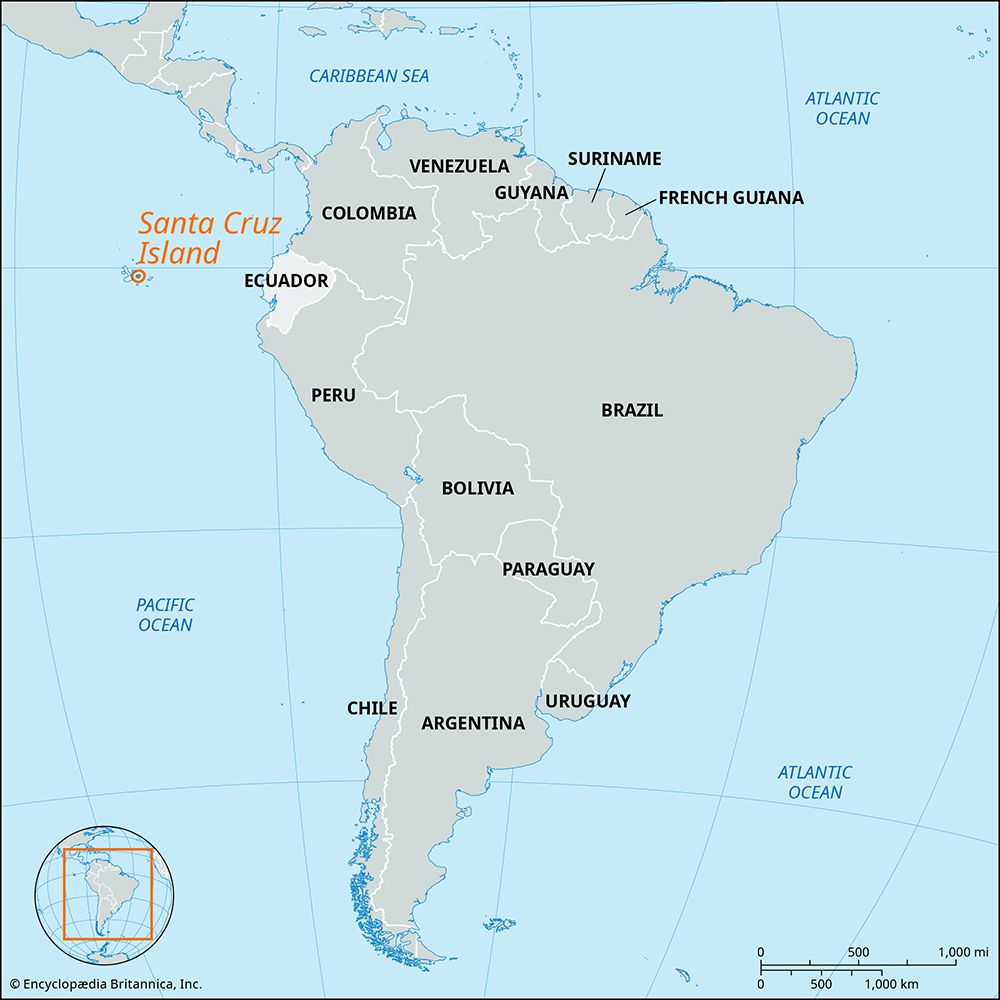
The name “Santa Cruz Island” refers to several distinct locations. To ensure clarity, it is important to distinguish between them based on their geographic regions:
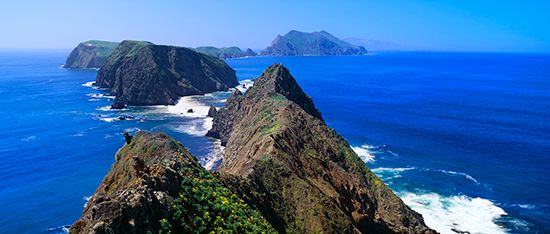
- California, U.S.: Santa Cruz Island is the largest of the Channel Islands, located off the coast of southern California. It features two rugged mountain ranges, a central valley, and year-round streams. The western portion is owned by the Nature Conservancy, and the island contains numerous sites of Chumash habitation.12
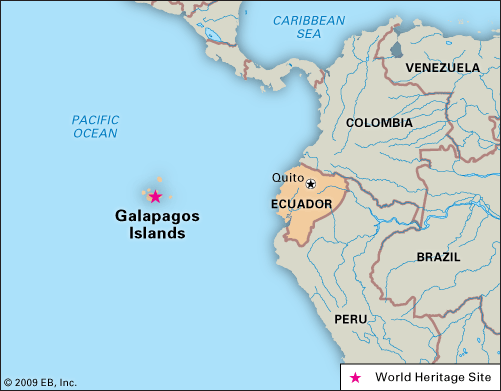
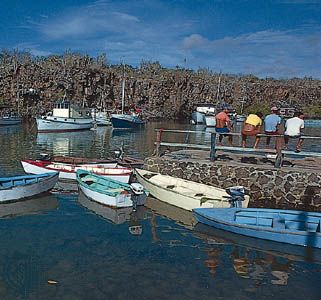
- Galápagos Islands, Ecuador: Santa Cruz Island is the second-largest island in the Galápagos Islands. It is volcanic in origin, features a central crater, and is home to the Charles Darwin Research Station, which focuses on ecosystem preservation.3
Additionally, the name is sometimes associated with the Santa Cruz Islands, a group located in the southwestern Pacific Ocean within the Solomon Islands.4
What unique animals live on the Channel Islands?
The Channel Islands off the coast of southern California are renowned for their distinctive biodiversity, hosting several hundred varieties of plants and animals, including many indigenous species.
Notable animal life on these islands includes:
- Island Gray Fox: An endemic species found on the islands.1
- Marine Mammals: The islands serve as vital breeding grounds for the California sea lion and several species of seals.1
- Seabirds: The cliffs, particularly on the Anacapa islets, are a major nesting site for the endangered California brown pelican.1
- Prehistoric Fauna: Fossil remains of the pygmy mammoth, which lived during the Pleistocene epoch, have been excavated on Santa Rosa Island1.
The islands’ unique isolation has allowed these species to thrive, though they remain sensitive to environmental changes. Protecting these habitats is essential for preserving the ecological integrity of the region.
Who were the Chumash people?
The Chumash are a group of Indigenous peoples who traditionally inhabited the California coastlands from Malibu to Estero Bay, as well as the northern Channel Islands. They are known for their complex social organization, which was based on independent geopolitical units called tribelets, and their highly developed artisan skills, including intricate basketry and soapstone vessels.89
Coastal Chumash groups relied heavily on fishing and hunting sea mammals, utilizing sophisticated, seaworthy plank canoes to navigate the ocean. They were also skilled at processing wild plant foods, particularly acorns, which they detoxified through a leaching process. Historically, the Chumash served as important economic intermediaries, acting as purveyors of clamshell-bead currency throughout southern California.810
Following Spanish colonization in the 18th century, the Chumash were associated with several Franciscan missions, which influenced the naming of their various groups. Today, the Chumash legacy is preserved through cultural sites, such as the Chumash Painted Cave State Historic Park, and a descendant population of approximately 7,000 individuals.811
What is the significance of the Charles Darwin Research Station?
The Charles Darwin Research Station, located at Academy Bay on Santa Cruz Island, plays a vital role in the conservation of the Galapagos Islands. Established in 1959, the station is dedicated to conducting scientific research aimed at preserving the unique ecosystem of the archipelago.312
The station’s significance lies in its ongoing efforts to protect the islands’ indigenous vegetation and animal life. By promoting scientific studies, the facility helps address the environmental challenges faced by the region, such as the impact of nonnative species and human activity. Its work is essential for maintaining the ecological integrity of the Galapagos, a site globally recognized for its extraordinary biodiversity and its historical importance to the development of the theory of natural selection by Charles Darwin.1312
Sources
- Channel Islands — Encyclopædia Britannica
- Santa Cruz Islands — Merriam-Webster
- Santa Cruz Island — Encyclopædia Britannica
- Santa Cruz — Merriam-Webster
- California - Plant and animal life — Encyclopædia Britannica
- Channel Islands — Merriam-Webster
- Channel Islands National Park — Merriam-Webster
- Chumash — Encyclopædia Britannica
- Indigenous peoples of California - Regional and territorial organization — Encyclopædia Britannica
- Santa Barbara — Encyclopædia Britannica
- Indigenous peoples of California - Production and technology — Encyclopædia Britannica
- Galapagos Islands — Encyclopædia Britannica
- Academy Bay — Encyclopædia Britannica
- San Cristóbal Island — Encyclopædia Britannica
Published on · 3 min read