Galapagos Islands
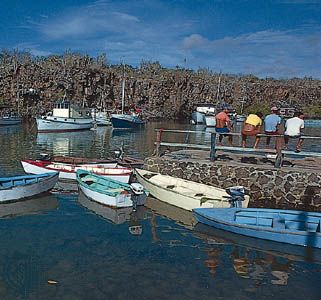
The Charles Darwin Research Station, located on Santa Cruz Island, plays a vital role in the conservation of the Galapagos Islands. Established in 1959, the…
What role does the Charles Darwin Research Station play in protecting the islands’ biodiversity?
The Charles Darwin Research Station, located on Santa Cruz Island, plays a vital role in the conservation of the Galapagos Islands. Established in 1959, the station serves as a hub for scientific research dedicated to understanding and preserving the unique ecosystem of the archipelago.12
The station’s primary contributions to biodiversity protection include:
- Scientific Research: It promotes and conducts extensive studies on the islands’ flora and fauna, providing the data necessary to inform conservation strategies.132
- Habitat Preservation: By focusing on the protection of indigenous vegetation and animal life, the station works to mitigate the threats posed by human activity, such as the introduction of nonnative species and the impacts of tourism.32
- Ecosystem Management: The research conducted at the facility supports broader efforts to maintain the ecological integrity of the islands, which are renowned for their high levels of endemic species.3
What is the climate like on the Galápagos Islands and how does it affect the wildlife?
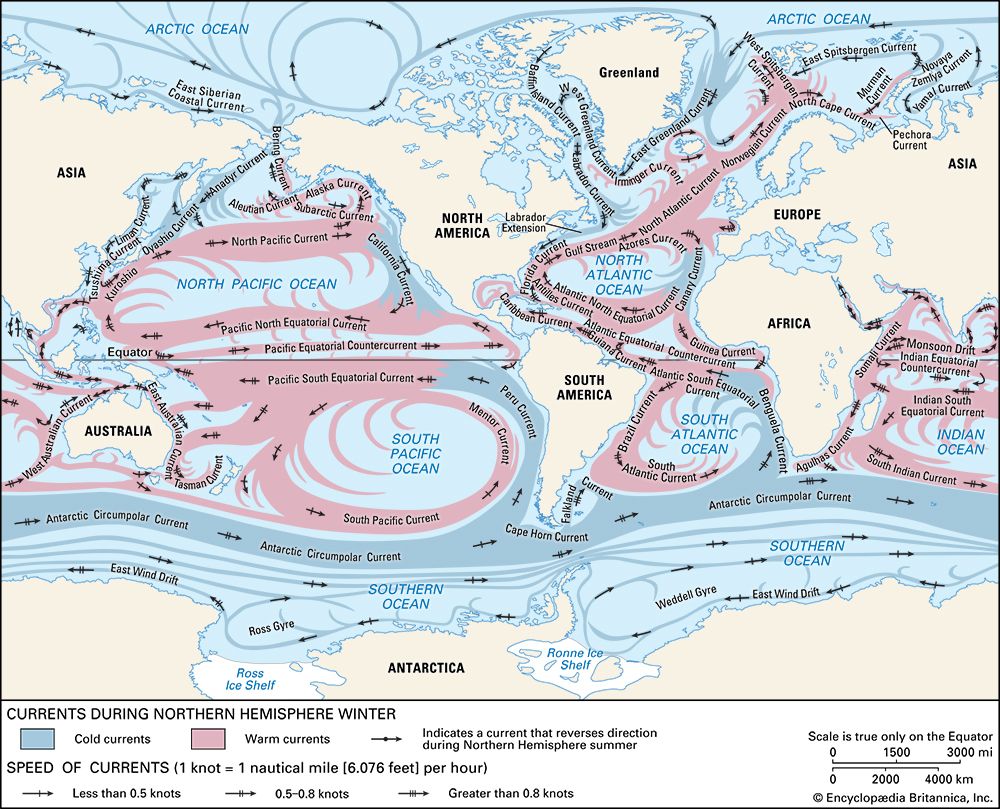
The climate of the Galápagos Islands is characterized by low rainfall, low humidity, and relatively cool air and water temperatures. This unique environment is heavily influenced by the Peru Current, which brings cold, nutrient-rich waters to the region.245
Impact on Wildlife
The islands’ climate and ocean currents are fundamental to the survival and evolution of their diverse species:
- Nutrient Availability: During normal years, the upwelling of cold water from the Peru Current supports high levels of plankton, which in turn sustains fish populations and other marine life.4
- El Niño Disruptions: Periodic El Niño events cause warm surface waters to replace the cold upwelling. This leads to a significant decline in nutrients, causing fish stocks to crash. These events can be devastating for species like the Galápagos penguin, which suffer from food shortages and increased mortality.46
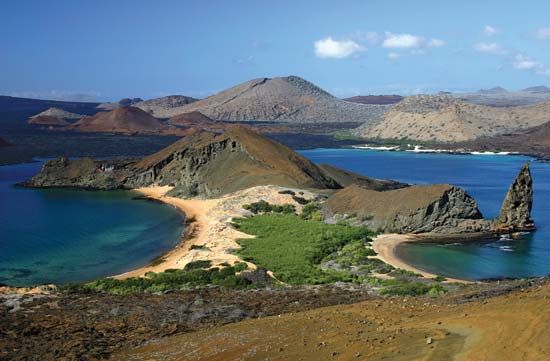
- Evolutionary Adaptation: The archipelago’s arid conditions and geographic isolation have driven remarkable evolutionary adaptations, resulting in a high number of endemic species, such as the famous Galápagos finches and swimming marine iguanas.2
How did Charles Darwin’s visit to the Galápagos Islands contribute to his theory of evolution?
Charles Darwin’s 1835 visit to the Galápagos Islands during the voyage of the HMS Beagle provided critical evidence that helped shape his theory of evolution by natural selection. Contrary to popular legend, the islands did not provide an immediate “eureka” moment; rather, his observations of the archipelago’s unique fauna became foundational to his later work, On the Origin of Species (1859).72
Key contributions from his visit include:
- Biogeographical Patterns: Darwin observed that many species on the islands were closely related to those on the South American mainland but exhibited distinct variations. He noted that different islands hosted unique, closely allied species, such as the Galápagos finches, which displayed diverse beak shapes adapted to specific diets and ecological niches.789
- Adaptive Radiation: His findings illustrated adaptive radiation, where a single ancestral species colonizing an isolated environment diverges into multiple new species to exploit unoccupied ecological opportunities.9
- Scientific Documentation: Although he initially failed to label all his bird specimens by island, his careful notes on the differences between mockingbirds and his observations of giant tortoises provided the empirical basis for his realization that species are not immutable and can change over time through natural processes.72
Where are the Galápagos Islands located and how many islands make up the archipelago?
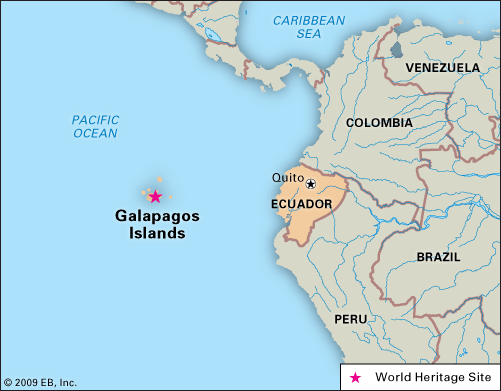
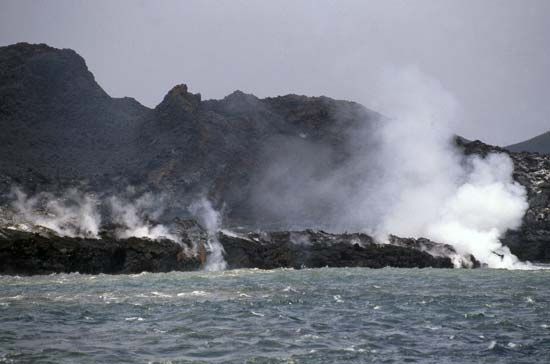
The Galápagos Islands are located in the eastern Pacific Ocean, lying across the Equator approximately 600 miles (1,000 km) west of the mainland of Ecuador, to which they belong as a province.211
The archipelago is composed of 13 major islands, 6 smaller islands, and scores of additional islets and rocks.2
Sources
- Santa Cruz Island — Encyclopædia Britannica
- Galapagos Islands — Encyclopædia Britannica
- Academy Bay — Encyclopædia Britannica
- Galapagos penguin — Encyclopædia Britannica
- Pacific Ocean - Surface currents — Encyclopædia Britannica
- Climate - Circulation, currents, and ocean-atmosphere interaction — Encyclopædia Britannica
- Charles Darwin: Top Questions — Encyclopædia Britannica
- Charles Darwin - The Beagle voyage of Charles Darwin — Encyclopædia Britannica
- What Darwin Got Right (and Wrong) About Evolution — Encyclopædia Britannica
- evolution - Adaptive radiation — Encyclopædia Britannica
- Española Island — Encyclopædia Britannica
Published on · 3 min read