Sava River
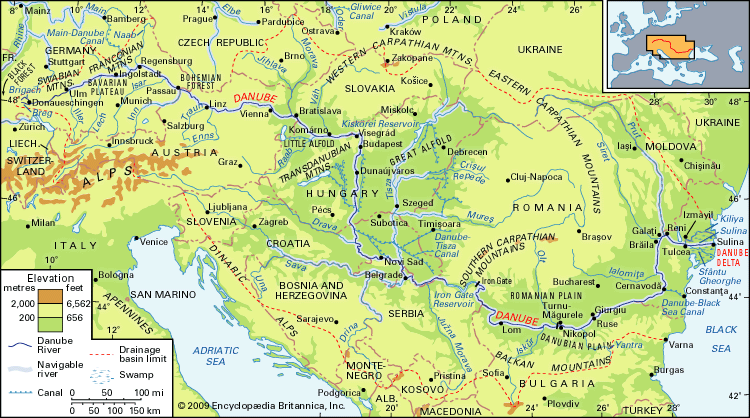
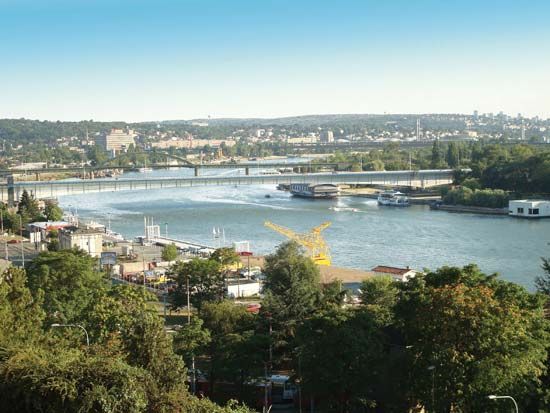
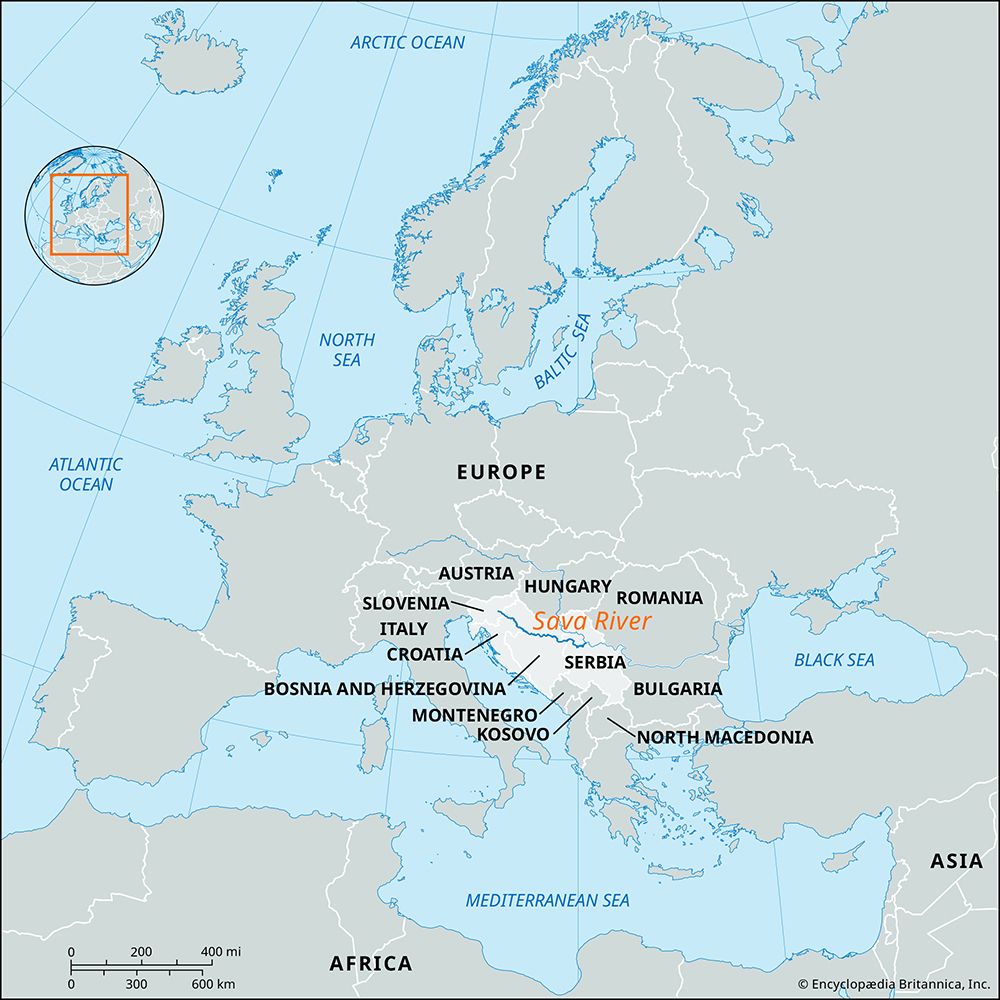
The Sava River flows for a total length of 584 miles (940 km) before joining the Danube River at Belgrade.
What is the length of the Sava River, and what major cities are located along its banks?
The Sava River flows for a total length of 584 miles (940 km) before joining the Danube River at Belgrade.1
The river passes through or near several significant urban centers across the western Balkans. Major cities and towns located along its banks include:
- Kranj
- Zagreb
- Sisak
- Slavonski Brod
- Bosanski Šamac
- Sremska Mitrovica
- Šabac1
What historical significance does the Sava River hold in European history?
The provided search results do not contain specific information regarding the historical significance of the Sava River in European history. While the river serves as a major geographical feature in the Balkans and acts as a boundary between several nations, the available documentation focuses primarily on its physical course, tributaries, and the cities located along its banks.
Where does the Sava River originate, and which countries does it flow through?
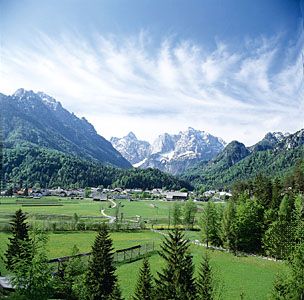
The Sava River originates in the Triglav group of the Julian Alps as two distinct headstreams: the Sava Bohinjka and the Sava Dolinka. These two rivers converge at Radovljica to form the main course of the Sava.1
The river flows through or along the borders of four countries:
- Slovenia: The river begins here and flows east-southeast, passing just north of Ljubljana.1
- Croatia: It flows through the country, passing through Zagreb.1
- Bosnia and Herzegovina: The river forms a significant portion of the border between Croatia and Bosnia.1
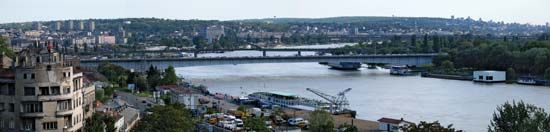
- Serbia: The river enters Serbia and eventually joins the Danube River at Belgrade.1
What recreational activities are popular along the Sava River?
The Sava River offers various opportunities for recreation, particularly in urban areas along its course. In Belgrade, the river features Ada Ciganlija, an island park that serves as a major gathering place for the public. This site is frequently used for bicycling and running events throughout the year.1
While the river is utilized for commercial navigation by small freight vessels upstream to Sisak, broader recreational activities in the region—such as fishing—are widely popular across Serbia and the surrounding Balkans as part of the general sporting culture.51
Sources
- Sava River — Encyclopædia Britannica
- Sava — Merriam-Webster
- Drina River — Encyclopædia Britannica
- Bosna River — Encyclopædia Britannica
- Serbia - Sports and recreation — Encyclopædia Britannica
Published on · 2 min read