Trophic Cascade
Scientists study and measure the effects of trophic cascades primarily through experimental manipulations of top predators within food webs. By intentionally…
How do scientists study and measure the effects of trophic cascades?
Scientists study and measure the effects of trophic cascades primarily through experimental manipulations of top predators within food webs. By intentionally adding or removing these apex species, researchers can observe the resulting reciprocal changes in the populations of prey and primary producers.1
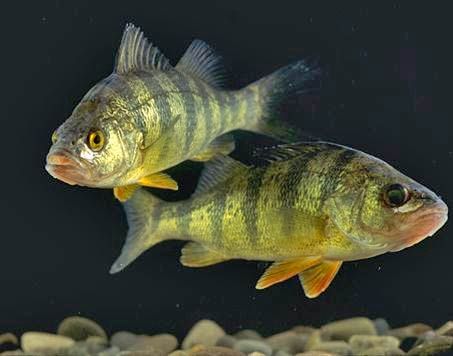
In aquatic environments, such as freshwater lakes, scientists use a management practice known as biomanipulation. By stocking or removing specific fish populations, they measure shifts in biomass, nutrient recycling rates, and the concentration of phytoplankton. These experiments demonstrate how top-down control influences ecosystem processes, including respiration and the exchange of gases with the atmosphere.1
In terrestrial settings, researchers often analyze the impact of predator restoration or decline—such as the reintroduction of wolves—to track changes in herbivore populations and the subsequent growth of plants. These studies confirm that trophic cascades are critical in controlling species composition and overall ecosystem structure.1
How can human activities influence or disrupt trophic cascades?
Human activities significantly influence and disrupt trophic cascades, often leading to profound shifts in ecosystem structure and function. These disruptions typically occur through the following mechanisms:
- Persecution and Harvesting of Top Predators: The intentional removal of apex predators—such as wolves, big cats, and large sharks—through hunting, poisoning, or overfishing is a primary driver of disruption. This removal triggers mesopredator release, where medium-sized predators (e.g., coyotes, raccoons, or baboons) proliferate, subsequently causing dramatic declines in their own prey populations and reducing overall biodiversity.12
- Introduction of Invasive Species: Human global commerce and the pet trade often transport nonnative species into new habitats. Without natural predators to keep them in check, these invasive species can outcompete native organisms, disrupt established food webs, and force localized extinctions.3
- Intentional Biomanipulation: In lakes, humans sometimes intentionally trigger trophic cascades to manage water quality. By stocking or removing specific fish populations, managers attempt to control harmful phytoplankton blooms, demonstrating how human intervention can actively reshape ecosystem biomass and nutrient cycling.1
We must recognize that while some interventions aim to restore balance, the unchecked removal of key species poses a serious threat to the natural services—such as air and water quality—that ecosystems provide.1
How do trophic cascades differ in aquatic and terrestrial ecosystems?
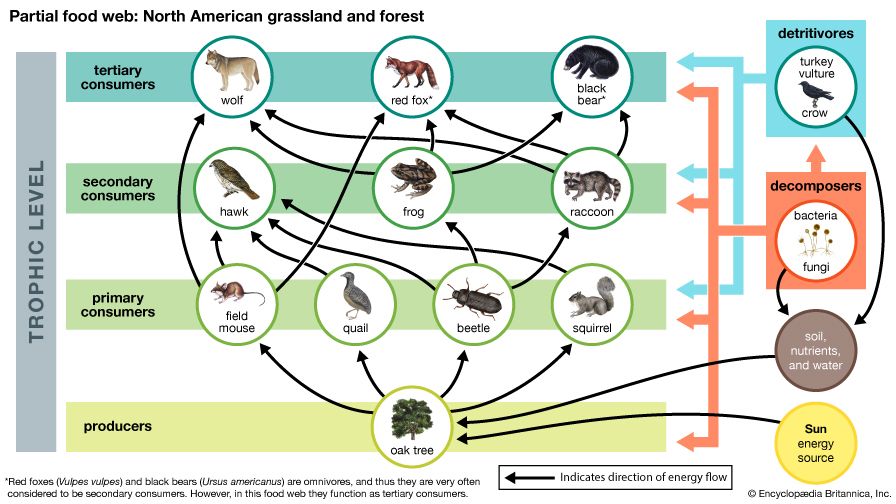
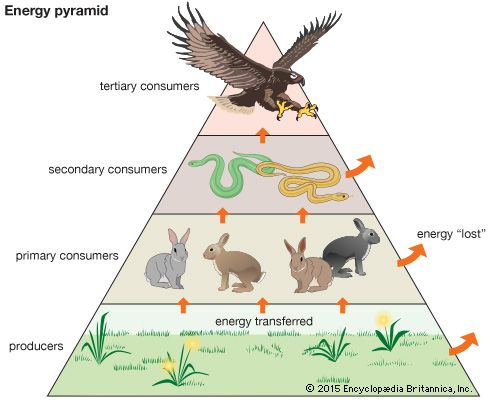
Trophic cascades are ecological phenomena where the addition or removal of top predators triggers reciprocal changes in the populations of prey and primary producers, fundamentally altering ecosystem structure and nutrient cycling. While the core mechanism—top-down control—is universal, the expression of these cascades differs between aquatic and terrestrial environments due to variations in their biological foundations and physical dynamics.1
Aquatic Ecosystems
In aquatic systems, such as freshwater lakes, cascades are often studied through biomanipulation. By stocking or removing predatory fish, scientists observe rapid shifts in the biomass of phytoplankton and zooplankton. These cascades directly influence metabolic rates and the exchange of gases like carbon dioxide and oxygen between the water and the atmosphere. In marine environments, such as the North Atlantic Ocean, overfishing of species like cod has been shown to trigger cascades that ripple down to phytoplankton levels.1
Terrestrial Ecosystems
Terrestrial cascades are frequently observed through the lens of apex predator restoration or loss. For example, the reintroduction of wolves in areas like Alberta, Canada, has been documented to decrease elk populations, which subsequently allows for the increased growth of aspen and willow trees. Unlike aquatic systems, where nutrient cycling is often tied to water-column dynamics, terrestrial cascades are heavily defined by the direct consumption of vegetation and the resulting impact on plant community composition.1
How do trophic cascades impact nutrient cycling in ecosystems?
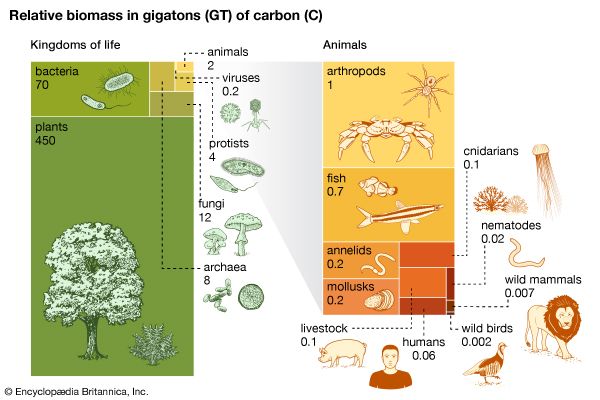
Trophic cascades play a critical role in regulating nutrient cycling within ecosystems, a process once thought to be driven primarily by physical or chemical factors like climate and solar radiation. By altering the abundance of predators, herbivores, and primary producers, these cascades exert top-down control over the biological processes that move nutrients through the environment.1
In aquatic systems, such as freshwater lakes, trophic cascades influence:
- Recycling Rates: The presence or absence of top carnivores dictates the biomass of phytoplankton and zooplankton, which directly affects how quickly nutrients are recycled.1
- Chemical Ratios: Cascades can shift the ratio of nitrogen to phosphorus available to primary producers.1
- Metabolic Activity: By controlling the rates of primary production and respiration, these cascades impact the exchange of carbon dioxide and oxygen between the ecosystem and the atmosphere.1
- Sedimentation: Changes in fish populations can alter sediment stability and the activity of bacteria, further influencing nutrient availability.1
Ultimately, because trophic cascades control the composition and metabolic rates of producer communities, they are fundamental to the normal functioning of ecosystems and the maintenance of essential resources like water and soil quality.1
Sources
- trophic cascade — Encyclopædia Britannica
- invasive species — Encyclopædia Britannica
- apex predator — Encyclopædia Britannica
- Wetland - Effects of climate change — Encyclopædia Britannica
- mesopredator release — Encyclopædia Britannica
- Inland water ecosystem - Population and community development and structure — Encyclopædia Britannica
- food web — Encyclopædia Britannica
- trophic pyramid — Encyclopædia Britannica
Published on · 4 min read